
That’s exactly what’s occurrence with the Cockroach Janta Party, or CJP, right now. Led by Abhijeet Dipke, this group kicked off a big part of their nationwide campaign in Pune yesterday, and it wasn’t just another objection march with the usual slogans.
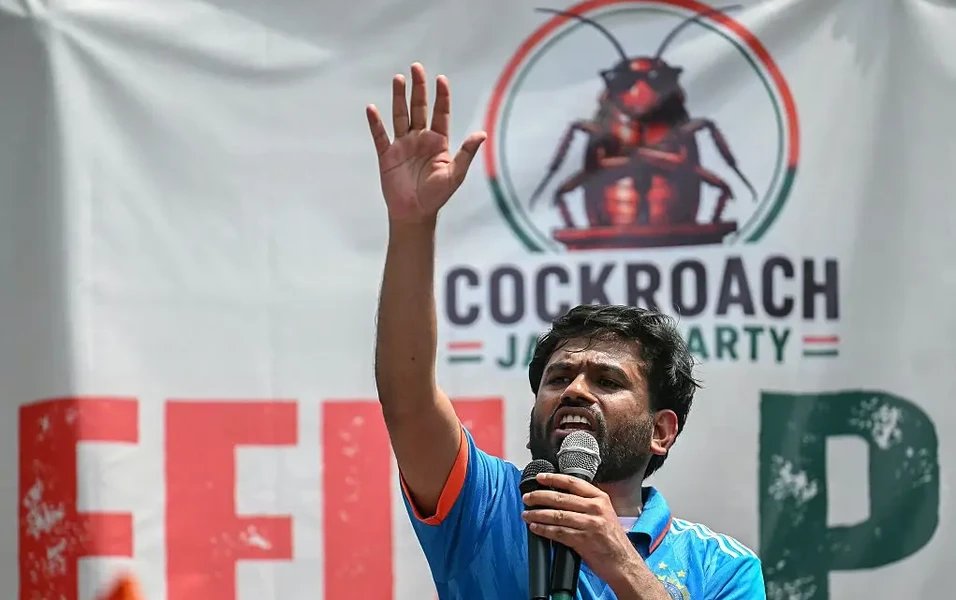
At Savitribai Phule Pune University, around the Ambedkar statue, hundreds gathered by 4 PM. Dipke stood there, clear and passionate, telling everyone that this Hindu versus Muslim politics that’s been dominating for the last 10-12 years just isn’t cutting it anymore. “It won’t put food on the table. It won’t create jobs for our youth,” he said. The crowd nodded along because, let’s be honest, when you’re staring at unemployment or your kid’s future getting ruined by paper leaks, those old divides start feeling like a distraction from the real problems.
The protest was part of a bigger plan. CJP started this journey after their Delhi sit-in at Jantar Mantar, where the cockroach masks and symbolic stuff caught everyone’s eye. Now they’re taking it across the country – Pune was the launchpad, and the next big one is in Lucknow, Uttar Pradesh.
Dipke didn’t mince words in Pune. He pointed out how the focus on communal issues has sidelined the big crises staring us in the face – rampant joblessness, messed-up exams like NEET and CUET, and the way recruitment processes keep failing our young generation. “We’ve seen a decade of this,” he said. “Hindu-Muslim politics won’t solve the unemployment problem. We need the government to change priorities.”
Sonam Wangchuk, the climate activist from Ladakh, joined in too. His presence added weight – he’s known for his work on education and environment, and seeing him stand with Dipke sent a message that this isn’t just one group’s fight. They released an “education manifesto” during the event, laying out practical suggestions for reforming how exams are conducted, making the system more transparent, and ensuring fairness.
Young faces holding placards, some wearing those quirky cockroach symbols that started as a meme but now represent resilience – “We are the cockroaches who won’t be crushed,” one banner read. Parents were there too, worried about their children’s futures. One mother I chatted with said, “My son studied day and night for NEET. After the leak scandal, he’s broken. We just want someone to take responsibility.” Stories like hers were everywhere. The NEET-UG paper leak, where a so-called guess paper matched actual questions, led to the exam being canceled and a CBI probe. Similar issues with CBSE evaluations have left students and families reeling.
Dipke has been vocal since returning from the US, where he finished his studies. He knew coming back meant diving into this headfirst, even with risks. His mother was worried he might get detained, but he pushed forward because he believes the youth won’t stay silent anymore. The CJP started as a satirical take on politics, turning an insult into a movement. Now it’s evolving into something more serious – a call for apolitical, issue-based agitation.
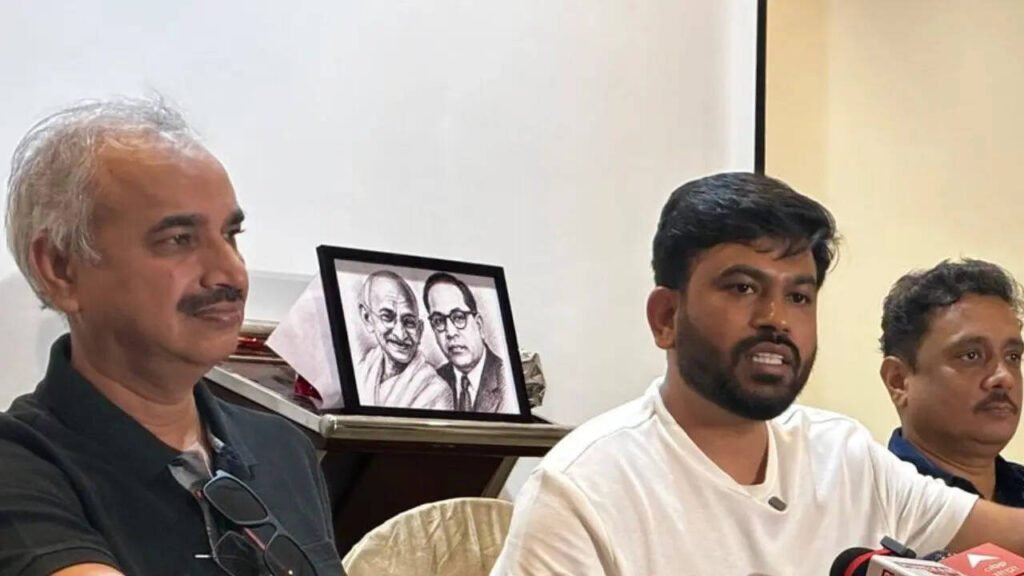
In Pune, the protest stayed peaceful despite heavy police presence. Slogans like “I Am Cockroach” echoed through the air, blending humor with determination. Dipke addressed the press too, outlining the roadmap. After Lucknow, the momentum is expected to build. They want Union Education Minister Dharmendra Pradhan to take responsibility and resign, or at least answer for the lapses. The government has promised probes and re-exams, but for many, that’s not enough when lakhs of aspirants suffer every year.
This movement taps into something bigger than one exam scandal. India’s youth are dealing with sky-high competition, coaching industry pressures, and a job market that doesn’t match the number of graduates. Add to that the constant political noise around religion and caste, and you see why Dipke’s message hits home: “No one will get involved in Hindu-Muslim politics.
Elvish Yadav even mocked it with his own “Khargosh Janta Party” jab. But on the ground in Pune, it felt genuine – students from different backgrounds, united by shared pain over education failures. No major violence, just voices demanding better.
The plan is to connect with local students, highlight similar grievances, and build a national wave. By June 20 in Delhi, they hope to have enough pressure for real change – not just promises, but systemic fixes.
Dipke keeps emphasizing unity: “Don’t get divided over petty issues. They will try their best to distract us.” In a country as diverse as ours, where education is supposed to be the great equalizer, failures in the system hurt the poorest the most. A rural kid saving every rupee for coaching sees his dreams leak away with a paper scandal – that’s the anger fueling this.
The education manifesto they unveiled touches on practical stuff: digital security for exams, independent oversight bodies, support for underprivileged students, and linking education to actual job creation. It’s not revolutionary on paper, but coming from the ground up, it carries weight. Supporters like professors from Pune University and civil society members add credibility.
As the march moves forward, questions remain. Will the government engage seriously, or dismiss it as opposition-backed noise? Can this youth energy sustain beyond the headlines? For now, in Pune, it felt like a spark. Young Indians are saying enough with the distractions – focus on what matters: opportunities, fairness, and a future where hard work actually pays off.
Dipke and team have their work cut out. Traveling city to city, facing heat, logistics, and possibly more criticism. But if the turnout in Pune and the buzz online are any indication, people are listening. The “cockroaches” are marching, and they’re not going away quietly.
This isn’t just about one minister resigning. It’s about resetting priorities in Indian politics – away from endless polarization toward bread-and-butter issues that touch every household.
Sources:
- Hindustan Times live updates on CJP Pune protest
- The Hindu reports on Dipke’s statements and manifesto
- Indian Express coverage of Pune event
- Tribune India on nationwide campaign
- Various public statements and press conferences by Abhijeet Dipke and CJP team (June 2026)