
This comes from former Chief Election Commissioner S.Y. Quraishi’s new book, and it’s been doing the rounds lately. Back in 2012, during the Uttar Pradesh elections, Dr. Manmohan Singh said something that left Quraishi completely stupefy.
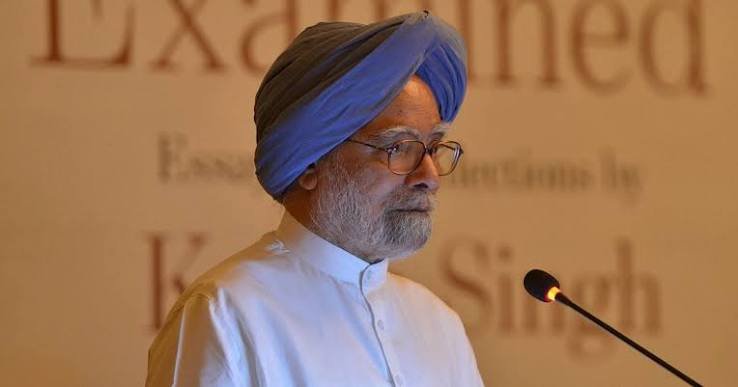
The Election Commission is out there making sure everything stays fair—no unfair advantages, no breaking the rules. Well, Salman Khurshid, who was the Law Minister then, made some comments on the campaign twine about job quotas for Muslims. The EC called it a contravention of the Model Code of Conduct and pulled him up for it. A few other ministers weren’t happy and started talking loosely about the Commission itself, questioning how it was doing things. Quraishi, as the head of the EC, felt the pressure building. He wasn’t pointing fingers at anyone oneself, but he was worried about the institution’s independence.
One evening, Quraishi gets this urgent call. The PM wants to meet him right away. Dr. Singh’s voice sounds really anxious on the phone. Quraishi says he’ll come over, and they set it for 7 pm. When he reaches the Prime Minister’s residence, there’s Dr. Manmohan Singh himself, waiting at the door like an old friend. No big security fuss or staff hovering—just the PM standing there to greet him personally. They walk inside, and before they’ve even properly sat down, Singh looks at him with real pain in his eyes and says, “Harish told me what you said. If that is what you think, I will commit suicide.”
Quraishi was speechless. He couldn’t believe what he was hearing. His words had been about some ministers’ behavior, not about the Prime Minister at all. But Singh had taken it so personally, like the whole thing was on his shoulders.
In that conversation, Dr. Singh opened up. He told Quraishi that the Election Commission wasn’t just some government body—it was the soul of India’s democracy. Lose that, and you lose everything. He reassured him that he stood fully behind the EC’s work. It was such a human exchange. Here’s the Prime Minister of a huge country, in the middle of election season with all the coalition stresses and party pressures, choosing to meet the Election Commissioner face-to-face and speak from the heart instead of brushing it off or playing politics.
2012 UP elections were a big deal for Congress. They were in power at the center but facing tough anti-incumbency. Things were heating up, complaints were flying, and the EC had to stay firm. Khurshid’s case got a lot of attention, but it wasn’t the only one. Some in the party pushed back against the Commission, which is something, no matter who’s in charge. But Singh’s reaction was different. It wasn’t defensive. It was vulnerable.
Quraishi later wrote that he quickly clarified—it was never about doubting the PM personally. And that meeting helped clear the air. It strengthened the understanding between the government and the EC at a crucial time. Looking back now, years later, it feels even more special. Dr. Singh passed away in 2024, and this memory from Quraishi’s book paints him not as the distant economist or the “silent PM,” but as someone who felt things deeply and put institutions above personal or party comfort.
Quraishi has always been someone who guarded the EC’s role fiercely during his time as Chief Election Commissioner. His book isn’t a full tell-all memoir—it’s just a collection of hundred memories from a life in public service. This one stands out because it’s so raw.
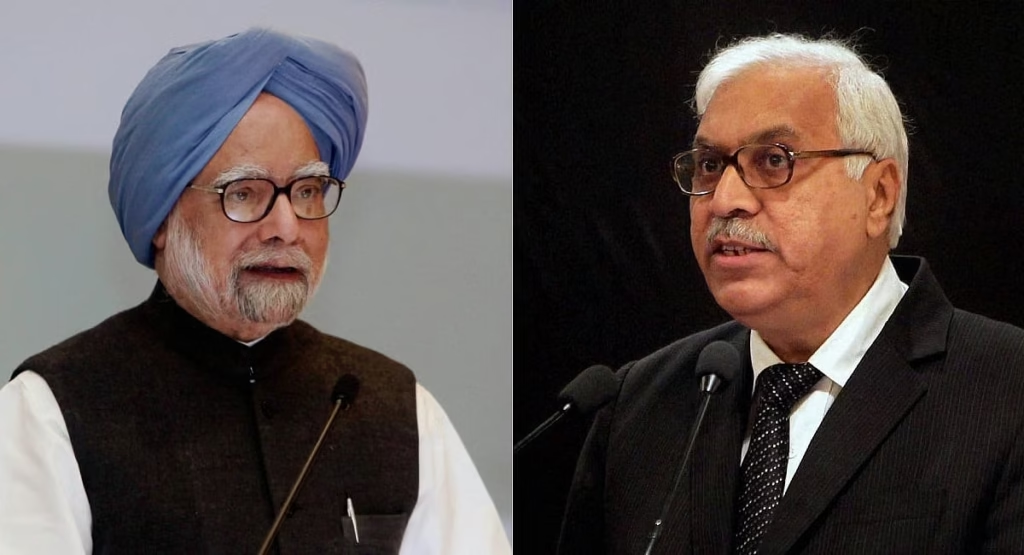
A leader who would rather bear the pain himself than let the system erode. It makes you think about what real leadership looks like. Not grand speeches or power plays, but that willingness to listen, to feel responsible, and to protect what matters most—the fairness of our democracy. Dr. Singh’s words that evening weren’t meant for public consumption, but now they’re out there, teaching us something about integrity.
Quraishi walked away from that meeting reassured. And years later, sharing it helps all of us see a fuller picture of those times. It’s not about taking sides in old battles. It’s about appreciating the small, honest moments that hold our democracy together.
Sources:
Hindustan Times, Moneycontrol, The Federal, New Indian Express, PTI, and reports on S.Y. Quraishi’s book India and I: A Hundred Memories, Not a Memoir
(published around July 2026).