
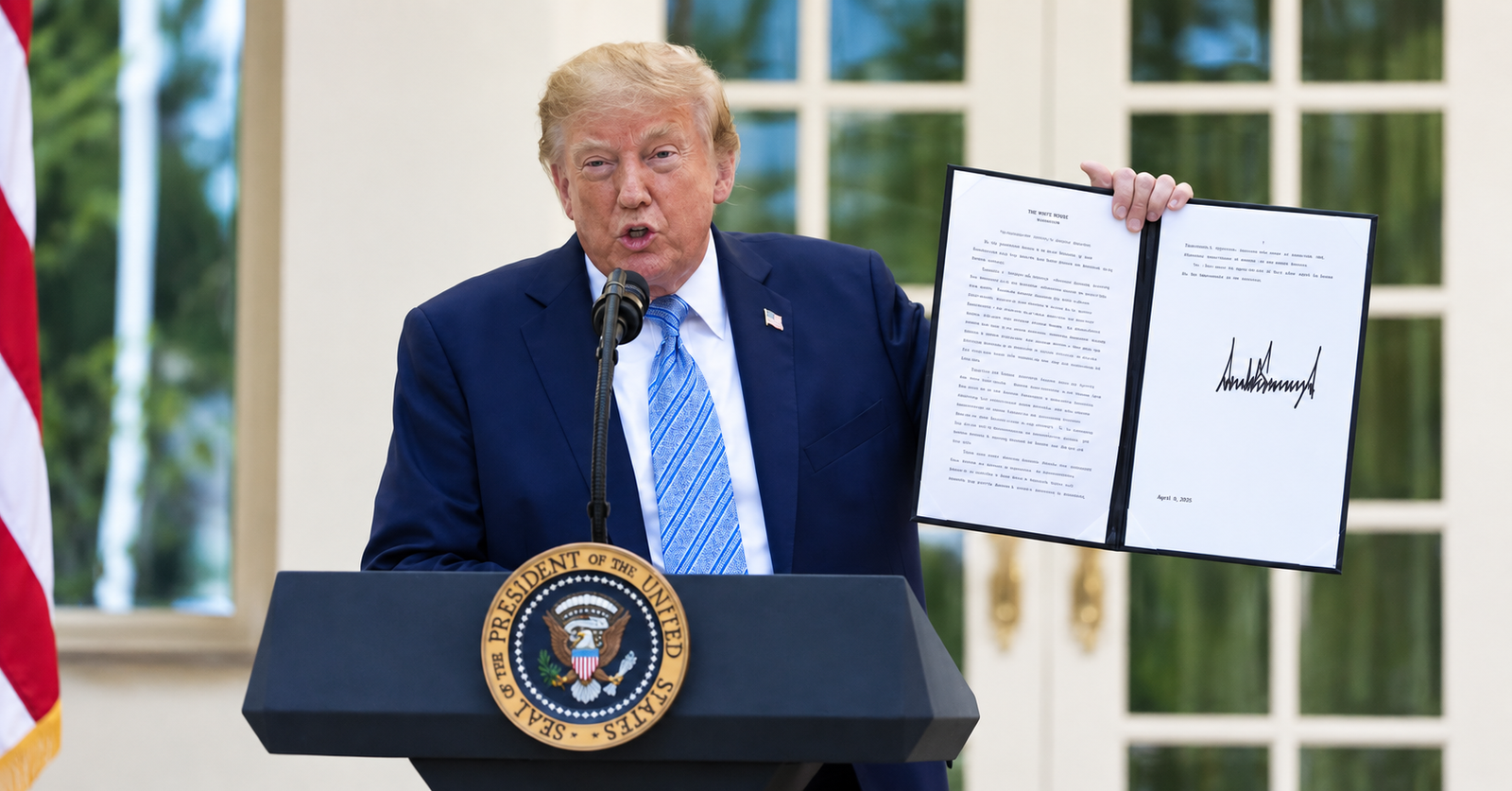
The US just handed President Trump a new stick to swing at countries still buying Russian oil, and India is right in the firing line. On Friday, Trump signed the Lindsey O. Graham Sanctioning Russia and Iran Act of 2026 into law. Named after the late senator who pushed hard on this for years, the law is mainly about squeezing Russia’s money from the Ukraine war and extending pressure on Iran. But the part that hits home for us is the tariff threat.
Thirty days after the law kicks in, Washington can slap tariffs of up to 100 percent on goods coming from any country that ranks among the top five buyers of Russian crude oil or natural gas over the previous 12 months, if that country keeps buying after the deadline. India and China sit at the top of that list. Russia has been supplying more than half of India’s crude in recent months—over 51 percent in July alone, according to the numbers floating around. That’s a huge chunk for a country that imports nearly 90 percent of its oil needs.
The law doesn’t slam the tariff on automatically. Trump’s team still has to decide whether to use it, at what rate, and on which products. It also sits on top of whatever other duties are already there—like the 10 percent from the forced-labour probe under Section 301, or the higher steel and aluminium rates. So a full 100 percent would be brutal for Indian exporters selling into the US market, which remains one of our biggest.
India has already told the Americans this could mess up bilateral ties and shake global energy markets. The Ministry of External Affairs has been clear: energy security for 1.4 billion people comes first, and purchases will keep following market conditions and diversified sources. Officials have also said they will take whatever steps are needed to protect trade and economic interests. No one is pretending this is easy.
If India digs in and keeps buying Russian oil at current volumes, exporters face a real hit. Remember what happened when the earlier 25-to-50 percent punitive tariffs were in place from mid-2025 into early 2026? Exports to the US slowed sharply after the initial front-loading. Many companies had to share the extra cost with American buyers just to keep the orders. A 100 percent rate is a different ballgame—most cannot absorb that and stay competitive. Sectors that lean heavily on the US market would feel it first.
The other path is cutting Russian oil sharply within that 30-day window. Easier said than done. Russian barrels have been the cheapest and most reliable option for Indian refiners, especially after the disruptions in the Middle East and the ongoing constraints through the Strait of Hormuz. Switching overnight to other suppliers means higher prices. Oil is already sitting comfortably above $100 a barrel in many scenarios. That feeds straight into pump prices at home. With state elections coming up next year, higher fuel costs are the last thing any government wants to hand voters.
There is a waiver clause. Trump can lift the tariffs if he certifies to Congress that it serves US national interests and explains why. Or the whole tariff pressure could ease if Russia signs a peace deal that Ukraine’s government accepts and stops the fighting. Neither looks immediate. The law also has a review built in after 180 days to check the latest top-five list of buyers.
India has walked this tightrope before—with Iranian oil, Venezuelan crude, and earlier rounds of Russian purchases. Each time the pressure came, volumes adjusted, sometimes with quiet understandings, sometimes with temporary pain. This time the numbers are bigger and the political temperature higher on both sides. Trade talks between India and the US are still ongoing, and this new law gives Washington extra leverage at the table, whether anyone admits it or not.
For ordinary Indians the practical questions are simple. Will petrol and diesel stay affordable? Will exporters keep their US orders without bleeding margins? Will the government find enough alternative oil without emptying the exchequer on subsidies? The answers depend on how quickly Russian volumes can be wound down, how much other suppliers can step up, and how Trump’s administration chooses to play the new powers it just got.
Right now the 30-day clock is ticking. India is watching, talking to Washington, and trying to keep both energy flowing and trade doors open. The Act itself does not force anyone’s hand tomorrow morning, but it changes the calculation. Cheap Russian oil has saved India real money since 2022. Keeping that advantage just got a lot more complicated.
Sources: The Hindu (detailed explainer published 20 September 2026), Reuters reporting on India’s response and Modi’s energy bind, Indian Express and Business Today coverage of the signing and tariff mechanics, The Diplomat analysis of exposure for India and China, Global Trade Research Initiative and Kpler data on import shares, Ministry of External Affairs statements, and White House confirmation of the law’s enactment.
@Rohit Manral