
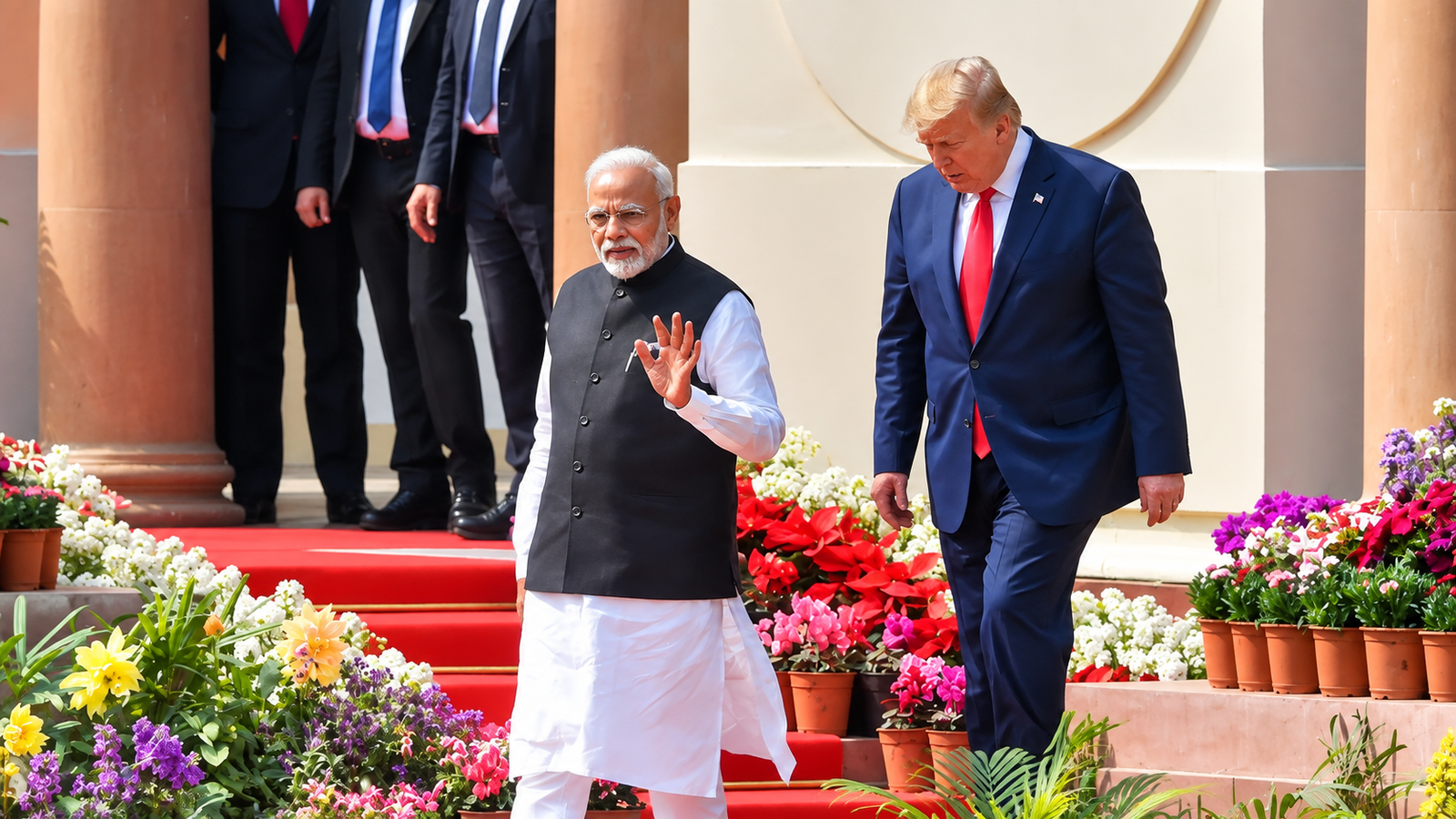
On Wednesday, the US House of Representatives cleared this big Russia sanctions package — the Lindsey O. Graham Sanctioning Russia and Iran Act of 2026 — by a 262-159 vote. It had already sailed through the Senate earlier, so now it sits on President Donald Trump’s desk waiting for his signature. And right in the middle of it is this provision that lets the White House slap tariffs of up to 100 percent on the biggest buyers of Russian oil and gas. India is squarely in that group, along with China.
You can almost hear the collective sigh from South Block. The Ministry of External Affairs didn’t waste time. On Thursday they put out a measured but firm statement that basically said: we heard you, we’ve already talked about this, and we’re not going to put our people’s energy needs on the back burner.
“India remains firmly committed to ensuring energy security for its 1.4 billion people,” the MEA said. “It will continue to do so through diversified sourcing and on the basis of evolving market dynamics.” That’s the core of it. No drama, just the plain truth that a country this size cannot suddenly turn off the tap because someone in Washington decided Russian crude is the problem of the day.
They also made it clear this wasn’t a surprise. “This issue has been discussed at high levels in recent months with various US interlocutors. Its potential implications for not just the bilateral relationship but also the international energy market have been very clearly articulated by the Indian side.” In other words, we told you this could mess things up for both of us, and for the global oil market that everyone relies on. Don’t act shocked if prices jump or supply gets tighter.
And then came the line that landed hardest: “The Indian side has also made clear its determination to take all necessary measures to protect its trade and economic interests.” The government will work closely with Indian trade and industry bodies to deal with whatever comes next. That’s not empty talk. When New Delhi says it will protect its interests, it usually means exactly that.
Let’s be honest about why this hits so close to home. India buys a huge amount of Russian oil these days — numbers have been floating around 40 percent and higher of our total crude imports in recent months. It’s cheaper, it keeps the lights on and the factories running, and it helps keep petrol and diesel prices from going completely crazy for ordinary people. After the earlier disruptions in the energy market, Russian barrels became a practical option. China is in the same boat, only bigger. The bill’s logic is that if you keep buying from Russia, you’re helping fund the war in Ukraine, so the US can hit you with secondary tariffs. Fair enough from their point of view. But from ours, energy security for 1.4 billion people isn’t some side issue you can sacrifice for someone else’s foreign policy.
The bill doesn’t automatically slam 100 percent tariffs on Indian goods the moment Trump signs it. It gives him the authority to do so if certain conditions are met — mainly if the top buyers keep purchasing Russian oil after the law kicks in. There are some carve-outs for countries that cut back significantly on Russian gas. Still, the threat is real. Indian exporters already deal with high US tariffs in some sectors. Another layer on top of that would sting.
What’s interesting is the timing. India and the US have been talking about a broader trade deal. Both sides keep saying the relationship is strong, strategic, full of potential. Yet here we are again, with Washington using the energy stick. It feels familiar. A few months back there was talk of even higher numbers — 500 percent in an earlier draft — before it got dialled down to 100. The principle remains the same: pressure the buyers to isolate Russia further.
India has never pretended its Russian oil purchases are about politics. They’re about price and reliability. We buy from the US too, from the Gulf, from wherever the market makes sense. Diversified sourcing isn’t a slogan; it’s how you keep a country this big from facing blackouts or inflation spikes. The MEA’s statement simply restated that reality without apology.
Now the ball is in Trump’s court. Will he sign it quickly? Will he use the tariff power right away, or keep it as leverage? Nobody knows yet. What we do know is that New Delhi has already drawn its line. Energy security comes first. Trade interests will be defended. And the conversation with Washington on this has been going on for months — so no one can claim they weren’t warned.
For ordinary Indians watching this, the worry is simple: will this push up the cost of living? Will our exporters get squeezed further in the American market? The government says it’s watching closely and will act. Industry bodies will be consulted. That’s the practical next step.
This whole episode is a reminder that great-power politics rarely stays far from the dinner table. When Washington moves to squeeze Moscow’s energy revenues, the pressure lands on places like India and China that actually need the oil. New Delhi’s response has been consistent and calm: we will look after our people first, we have told you so, and we will protect what needs protecting. Whether that leads to more friction or another round of quiet diplomacy remains to be seen. But the message from the Indian side is already on the record, clear as day.
Sources:
Ministry of External Affairs statement (17 September 2026); reports from Hindustan Times, India Today, The Indian Express, Business Standard, The Hindu, and related coverage of the US House vote on the Lindsey O. Graham Sanctioning Russia and Iran Act of 2026.
@Rohit Manral