
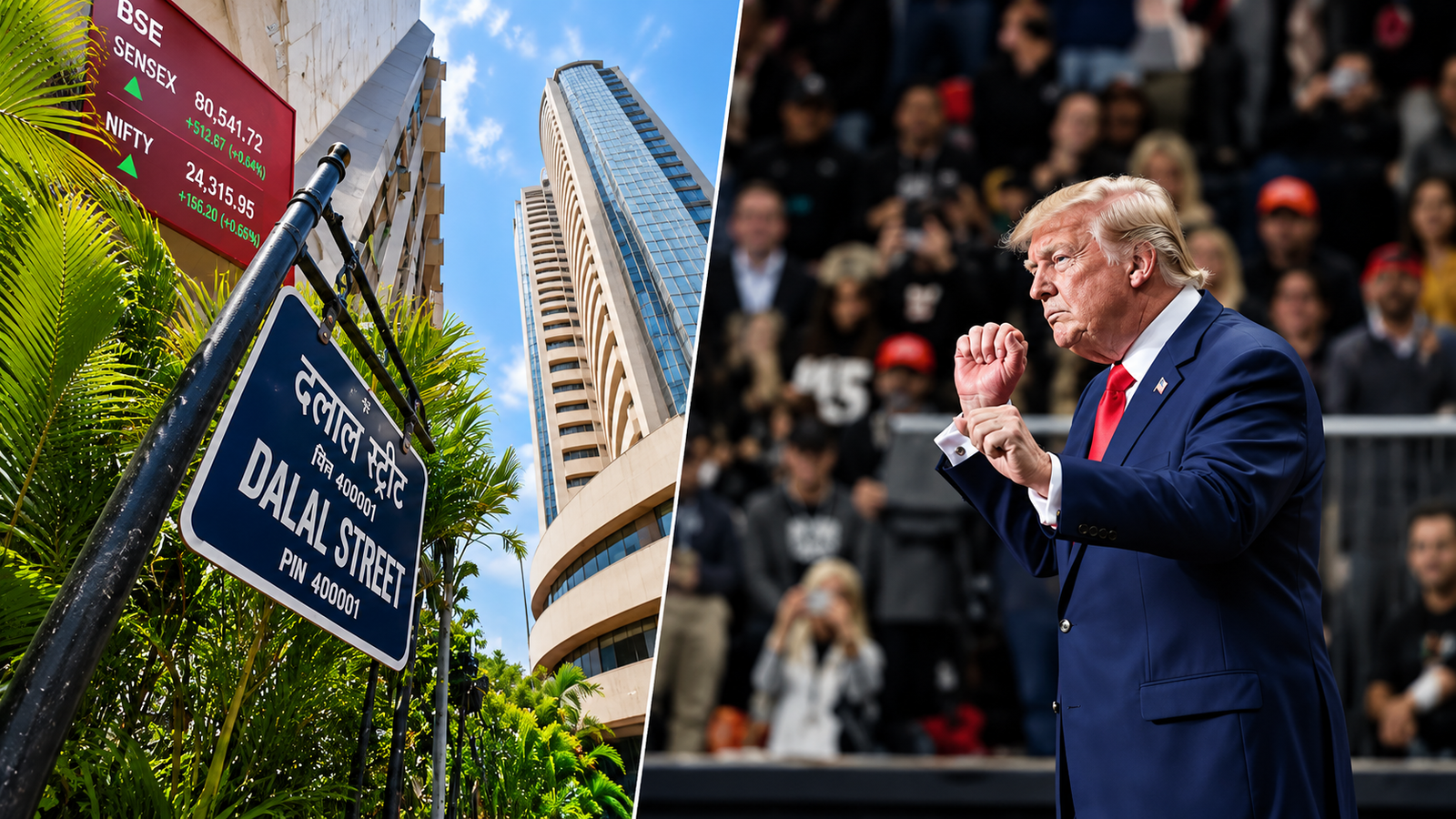
Americans voted on November 3. All the House seats and 35 Senate ones were on the line. Republicans walked in with thin majorities in both. By the time the early numbers started coming, it was clear the night would land in one of three places, and each one hits Mumbai a little differently.
Indian markets stopped jumping at every US election headline years ago. Foreign funds have already sold over three lakh crore of Indian shares this year. High US yields, a strong dollar, and sticky oil have done most of the damage. Washington still matters, but mainly through those same pipes.
Here’s how the three outcomes look from Dalal Street.
First one – Democrats take the House and the Senate
This was the path most of the models leaned toward going into the night. Democrats needed four seats in each chamber. Early calls and projections from the big networks pointed to a House flip and a real fight for the Senate in places that used to look solidly red.
If they get both, Trump’s big tax and spending plans get a lot harder. Gridlock becomes the daily reality. US stocks have often done fine after midterms when that happens. The S&P has a long habit of rising in the months after the vote, even when the president’s party loses ground.
For us the short-term read is messy but not terrible. Less aggressive US spending could take some heat off Treasury yields. Softer yields usually mean a softer dollar. That combination has, in the past, made foreign money a bit more willing to look at India again. IT and pharma names with heavy US exposure will watch the trade talk, but the bigger relief would come if the dollar stops climbing.
There will be a few noisy sessions first. Markets always hate the surprise. GIFT Nifty already looked soft as the early results filtered in. Once people settle, though, a government that can’t move fast has often been easier on risk assets than one that can.
Second – Democrats get the House, Republicans keep the Senate
This is the classic split. The House has been the vulnerable one for the White House party in midterms for a long time. A Democratic House means investigations and the power to slow things down. A Republican Senate still confirms judges and blocks the bigger Democratic ideas.
We’ve lived with this setup before. After 2018 the US market eventually recovered once yields eased. Something similar could happen now. The useful part for India would be if this outcome lowers the chance of another big fiscal push in America. Less pressure on long-term yields helps the rupee and makes Indian stocks look a little less expensive to global funds that have been net sellers for months.
Domestic institutions have been the ones buying what the foreigners sold. A quieter US policy backdrop makes their job easier. Banks, autos, and the consumption names that live off Indian demand care more about stable global liquidity than about the exact party labels in Washington.
The catch is Trump still has the Senate and the veto. Tariff talk and executive moves on trade or immigration stay possible. We’ve already navigated a few rounds of that. The market would probably feel some relief that the full fiscal accelerator is off, then go back to watching earnings and crude.
Third – Republicans hold both
Least likely according to most of the models, but not impossible if the late races break their way. A continued Republican majority leaves Trump freer on tax and spending for the next two years. Markets might like the continuity at first. But bigger deficits and the risk of more tariffs would keep upward pressure on US yields and the dollar.
That mix has already hurt Indian equities this year. Higher yields pull capital toward US assets. A stronger dollar weakens the rupee and keeps imported inflation sticky. Oil stays a wild card. In this case Dalal Street would probably see continued foreign caution until it becomes clear US rates have actually peaked.
Even when the president’s party keeps Congress, equities have often risen the following year. The difference this time is the starting point. Yields are already high and a lot of foreign money has already left. More stimulus in the US would just stretch the same headwinds.
None of these three rewrites India’s growth story overnight. Earnings, domestic mutual-fund and insurance money, and the price of oil will still matter more than the exact seat count. But the direction of US yields and the dollar remains the biggest external lever for foreign flows. A result that makes big new US deficits less likely is quietly helpful. A result that keeps the fiscal door wide open keeps the pressure on.
People on the Street have seen enough of these nights. First reaction is always noise. The lasting effect shows up later through rates and risk appetite. Whichever way the numbers finally settle, the next few sessions will be about sorting signal from noise. The real question for Sensex and Nifty is whether foreign money decides the uncertainty is over, or whether it’s just starting a new chapter.
Sources: Reuters, CNBC, The Economist, LiveMint, Business Standard, Economic Times, Emkay notes, and the usual historical midterm return numbers that every brokerage keeps recycling.
@Rohit Manral