
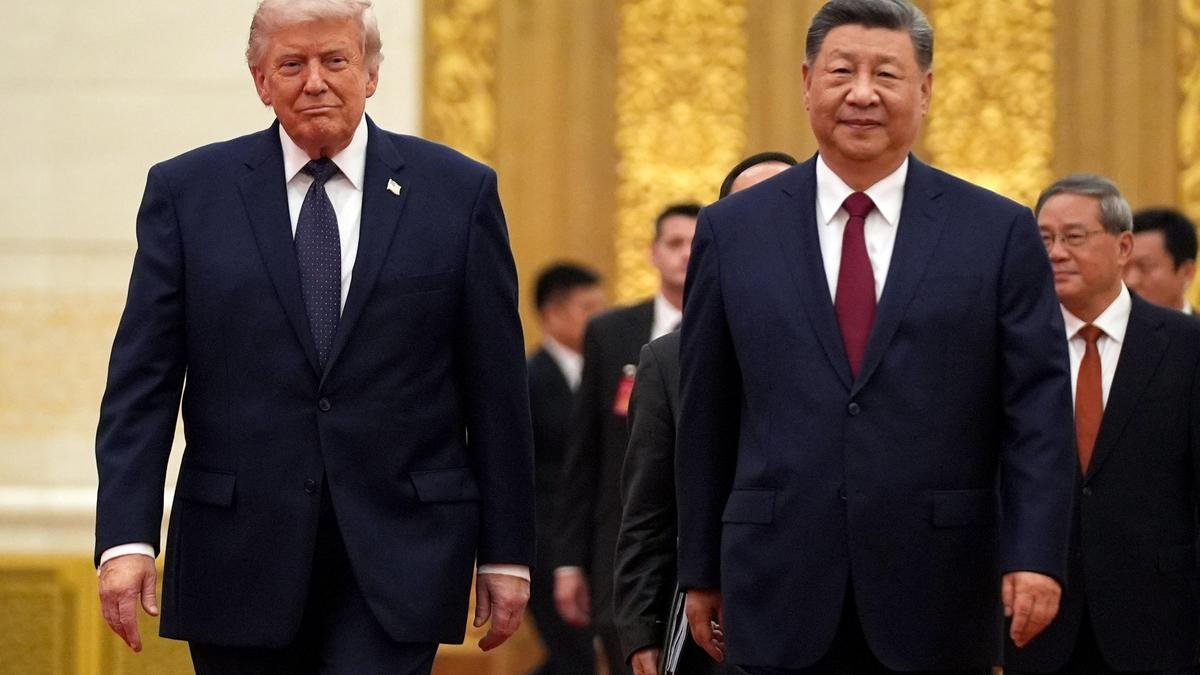
Last week, the White House dropped a report called “The Great Transhipment Scam.” It’s a 25-page document from the Office of Trade and Manufacturing Policy, and it basically accuses around 40 countries of helping China dodge the high tariffs the U.S. has been slamming on Chinese goods. India is right up there among the top “enablers,” sitting in what they call Tier 1 alongside places like Mexico, Canada, the European Union, Japan, and South Korea.
The core claim is pretty straightforward. Since Trump’s first term, when the U.S. started hitting China with Section 301 tariffs (those were for things like unfair tech practices and intellectual property issues), Chinese exporters have gotten creative. Instead of shipping stuff straight to America and paying the higher duties, they’re routing goods through third countries. There, they do a little assembly, some finishing, maybe just repackage or relabel, and send it off as if it came from that other place. The U.S. says this creates the appearance of a different origin so the products face lower tariffs.
According to the report, in 2025 about $67 billion worth of U.S.-bound goods were transshipped from China through the main hubs—Mexico, India, and Vietnam. That supposedly cost the U.S. government around $28 billion in lost tariff revenue. They paint India’s Pune-Gujarat-Chennai production belt as a key example, saying it “absorbs” Chinese pumps and compressors that then head to the U.S., hitting manufacturing in places like Cincinnati, Dayton, and Columbus. One line that stood out called those Indian cities the “ugly sister cities” replacing American industrial belts. Harsh, right?
This isn’t happening in a vacuum. It’s part of a longer string of U.S. complaints about India’s trade practices under the Trump administration. You might remember the 50% tariffs slapped on Indian exports last year—25% reciprocal and another 25% as punishment for buying Russian oil. Those got eased somewhat after talks, down toward 18% in a February 2026 framework deal, but tensions never fully cooled. Then came the forced-labor probe under Section 301, which led to an extra 10% tariff on Indian goods in July because Washington felt India wasn’t doing enough to block imports made with forced labor (mostly aiming at China). There’s still an ongoing investigation into “excess capacity” in sectors like solar panels, pharmaceuticals, and garments that could bring more duties. And the Senate has passed a bill that could allow tariffs up to 100% on countries buying a lot of Russian oil—something that would hit India hard if it becomes law.
India’s response so far has been measured. The Ministry of External Affairs said they’ll study the findings and methodology carefully. They pointed out that India has solid customs rules, origin requirements, and export procedures, and any violations get handled under the law. Think tanks like the Global Trade Research Initiative have pushed back harder, saying the report doesn’t show specific evidence of Indian exporters committing fraud or name actual shipments. They note that a lot of what looks like “transshipment” is just normal global supply chains—U.S. companies themselves often have production set up in multiple countries, including India, and genuine value gets added here.
What does this mean on the ground for India? Well, if the U.S. decides to act on these allegations with new penalties or stricter origin checks, it could squeeze exporters. India’s manufacturing story these days leans a lot on Chinese intermediate goods and components—electronics parts, chemicals, plastics, machinery. We’ve been shifting away from finished Chinese products toward assembling and making things here for the world market. That’s the “Make in India, for the World” pitch. But if forced to cut those Chinese inputs sharply, costs go up, and competitiveness takes a hit. Pumps and compressors might be a small slice of overall exports, but the broader scrutiny could spread.
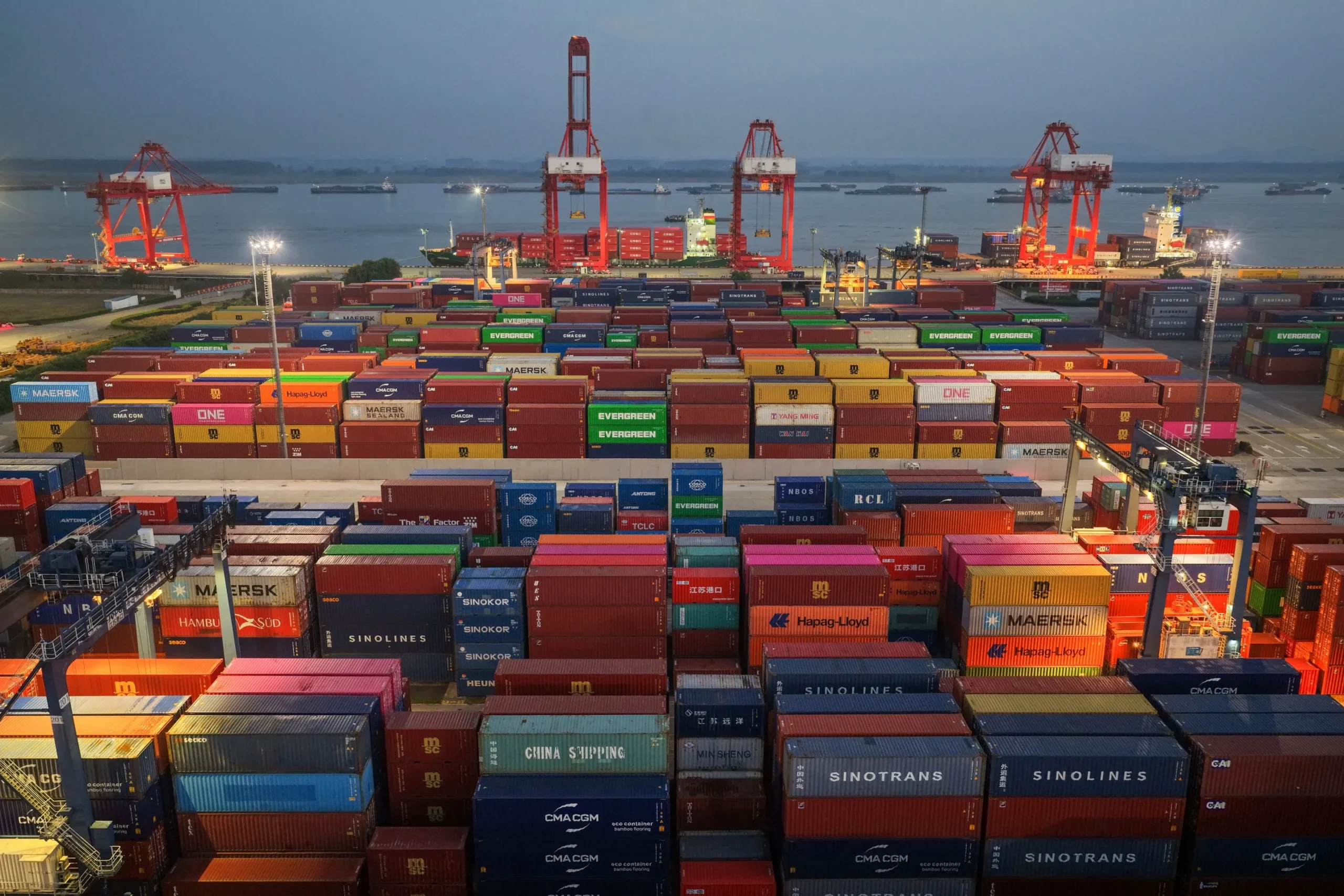
At the same time, this is classic tariff politics. The U.S. report itself admits that while imports from China dropped, total U.S. imports from everywhere else rose. Trump’s tariffs changed the suppliers more than they rebuilt American factories. Analysts say the same pattern is playing out now—goods just find new routes.
For ordinary folks following this, it feels like another chapter in a relationship that’s been rocky for a while. Defense deals, tech cooperation, and people-to-people ties are still there, but trade keeps throwing up friction. India has been diversifying energy sources and looking at other markets, yet the U.S. remains a huge destination for Indian goods. No one’s talking about a full rupture, but these repeated allegations do make businesses nervous and force New Delhi to walk a careful line—protecting its growth without escalating into a bigger fight.
Whether this report leads to actual new tariffs or just stays as pressure in ongoing talks remains to be seen. India will likely keep insisting on evidence and fair rules of origin. The U.S., focused on reducing its China exposure and protecting domestic industry, isn’t slowing down. It’s messy, complicated trade politics in real time, and both sides have skin in the game.
Sources:
- The Hindu, “What are the U.S.’s latest allegations against India? | Explained” (August 23, 2026) and related coverage
- White House Office of Trade and Manufacturing Policy report “The Great Transshipment Scam” (August 2026)
- Business Standard, Hindustan Times, CNBC-TV18, and The Week reporting on the report and Indian responses
- Earlier The Hindu editorials and analysis on U.S. tariffs and forced-labor actions
@Rohit Manral