
The tension in the air right now feels profuse plentiful to cut with a knife. Over the past few days—really incline up this week—the United States has moved a staggering amount of its top-tier fighter jets and support planes into the Middle East. We’re talking dozens of F-22 Raptors, the absolute kings of air superiority with their stealth and speed, and F-35 Lightnings, those versatile stealth multirole beasts that can punch through defenses like they’re paper. Flight trackers have been lighting up with these birds hopping from U.S. bases, stopping over in Europe (like at RAF Lakenheath in the UK), then pushing on to spots in Jordan, Saudi Arabia, and beyond.
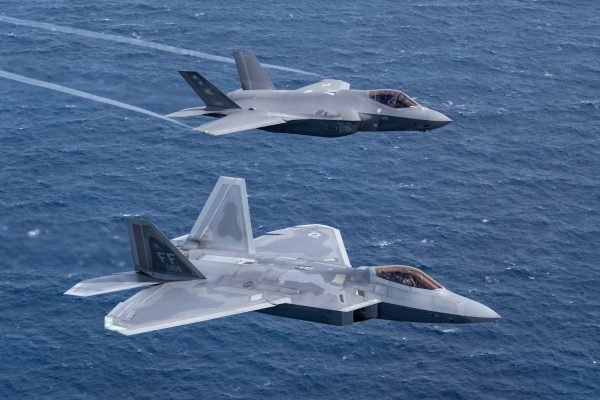
It’s not just the fighters. There are KC-135 tankers everywhere for mid-air replenishing, E-3 AWACS for eyes in the sky, EA-18G Growlers shove rival radars, and even some C-130s hauling gear. Satellite shots show bases like Muwaffaq Salti in Jordan packed—18 F-35s sitting right there in the open, plus electronic warfare planes. Prince Sultan in Saudi Arabia has AWACS, more tankers, the works. This is easily the biggest U.S. air gush in the region since the run-up to Iraq in 2003.
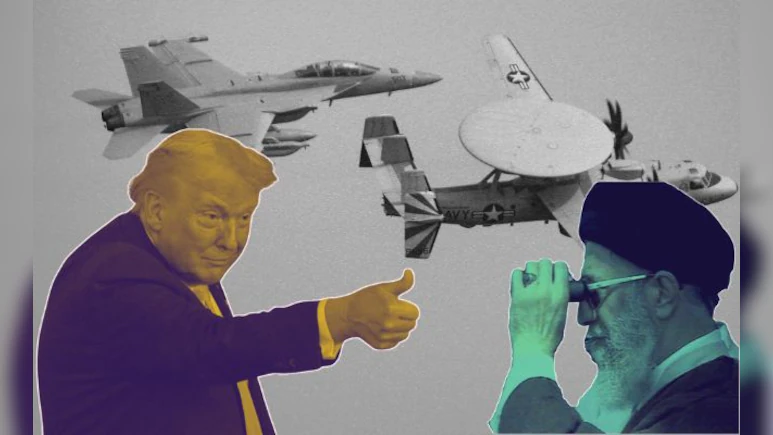
Why all this now? President Trump isn’t hiding it. He’s been hammering home that Iran needs to cut a “meaningful” nuclear deal—zero enrichment, no path to a bomb—or face serious consequences.
Speaking at his new Board of Peace meeting today, he basically gave them a 10-day window: “You’re going to be finding out over the next probably 10 days.” Earlier quotes echo the same vibe—”I don’t think they want the consequences of not making a deal.” He’s got two carrier strike groups out there now, the USS Abraham Lincoln already in position and the massive USS Gerald R. Ford steaming in, loaded with its own air wing (including F-35Cs). Destroyers, cruisers, the whole armada he keeps calling it.
Talks are still happening—indirect ones mediated by Oman, latest round in Geneva this week. Iran says progress on “guiding principles,” but both sides admit big gaps remain. Tehran wants time, maybe two more weeks for proposals. Their line? Enrichment is their right, missiles are non-negotiable, and any attack means hell—closing the Strait of Hormuz, hitting U.S. bases, proxies lighting up the region.
Iran’s not backing down quietly either. They’ve run drills near Hormuz, moved missile systems around, and Supreme Leader Khamenei flat-out rejected U.S. demands in a speech, calling nuclear industry and deterrent weapons “essential.” Russia even warned about escalation risks with all this U.S. buildup.
Some reports say the military could be ready to go as early as this weekend if Trump green-lights it—limited strikes on nuclear sites, missiles, maybe more. But no final call yet; diplomacy’s still breathing, barely. Trump wants a deal, prefers it, but he’s backed it with so much hardware that the option for force is right there, staring everyone in the face.
It’s scary how fast things could flip from tense talks to something way bigger. The world’s watching, oil prices twitching, and in Delhi tonight, you can almost feel the global pulse racing.
Sources:
CBS News
The New York Times
Al Jazeera
NDTV
The War Zone (twz.com)
Reuters
Bloomberg
Stars