
Over 22 lakh students across India and a few spots abroad sat for the NEET-UG re-exam, determined to prove themselves after the earlier mess. And the National Testing Agency left nothing to chance — 5,440 centres, nearly 1.38 lakh CCTV cameras, jammers, biometrics, the works. It finally wrapped up, and now the wait for results begins.
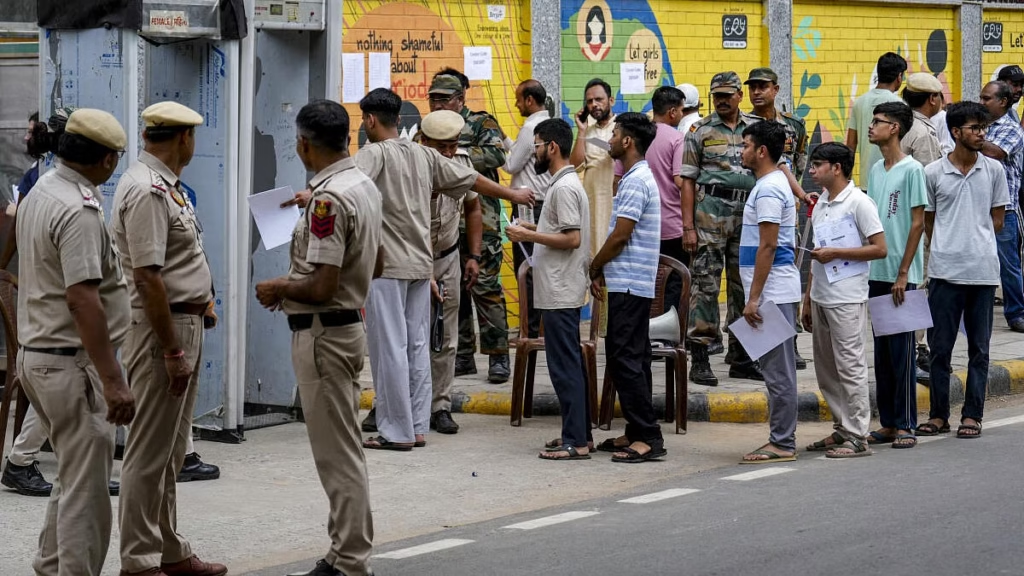
More than 22.79 lakh aspirants walked into those halls on June 21, spread across 551 cities in India and 14 abroad. Over 95,000 rooms, each under watch. Authorities deployed around 51,000 jammers to block signals, AI monitoring, thousands of observers, and heavy police presence.
The original NEET exam in May got cancelled after serious paper leak allegations. Students were devastated — months of preparation, coaching fees, family sacrifices, all clouded by doubt. Many cried, protested, and worried their futures were slipping. The government and NTA stepped up with this re-test in record time, just weeks later. For the kids and their parents, it was a second chance, but one wrapped in anxiety.
Question papers delivered under tight security, sometimes by air. And those cameras — everywhere, feeding live to control rooms at national, state, and ministry levels. NTA wanted zero room for error, and from early reports, things went smoothly without major glitches.
Flip the page to the students’ side. Imagine revising formulas late into the night, battling nerves, knowing millions are competing for limited medical seats. One girl from a small town might have been thinking about her family’s dreams of her becoming a doctor. A boy from a coaching hub in Kota probably carried the weight of expectations. They sat for three hours, pen on paper, in a system designed to feel fair this time. Many came out relieved, some still shaky, but glad it was over.
On the other side, officials and experts breathed a sigh. After the previous scandal shook trust in the whole process, this massive operation — one of the biggest security drills for any exam — was meant to rebuild confidence. Over 5 lakh security personnel helped. Flying squads, virtual observers, post-exam forensic checks on footage. It shows how seriously they took the lessons from before.
The moment we think about the bigger picture, it’s bittersweet. NEET is the gateway for MBBS, BDS, and other medical courses. For lakhs of families, especially in smaller towns and middle-class homes, cracking it changes everything — social mobility, financial stability, pride. But the pressure cooker environment, coaching industry boom, and occasional leaks have made it a national headache. This re-exam tried to reset that narrative.
As results approach, the conversation will shift again — cut-offs, counselling, heartbreaks for those who miss by a few marks, celebrations for the toppers. Some will get in, others might look at alternative paths or try again next year. That’s the reality of these high-stakes tests.
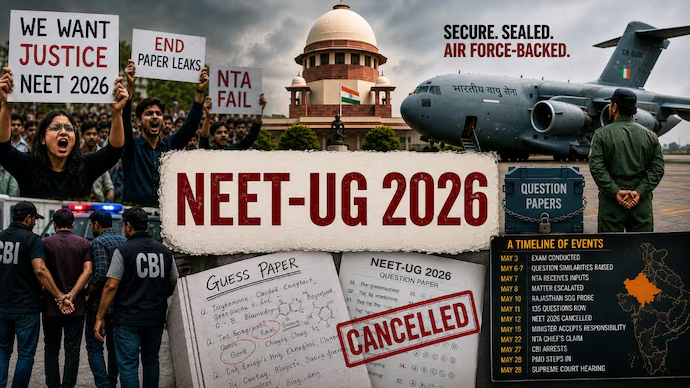
The moment we talk as regular folks — parents, teachers, neighbours — we feel for these students. They’ve shown resilience. The system, flaws and all, tried hard this round to deliver fairness under the spotlight. No one wants another round of protests or eroded faith. Now it’s about transparent evaluation and honest outcomes.
In the end, these 22+ lakh young Indians poured their effort into those answer sheets under the strictest watch we’ve seen. Whether they become doctors or take other routes, this chapter tested more than just biology and physics. It tested patience, hope, and the system itself. Here’s hoping the results bring relief and open doors for as many as possible.
Sources:
- India Today, NDTV, and Hindustan Times reports
- Deccan Herald, The Hindu, and WION coverage of candidate numbers, centres, and arrangements
- Official NTA statements and live updates via major Indian media outlets.