
What’s happening in Bengal right now is really heartbreaking. Every single election like a responsible citizen. Then this big Special Intensive Revision (SIR) comes along. Officials come knocking, asking for documents. You run around like crazy – Aadhaar, ration card, voter slip, everything. People stand in the heat, attend the hearing, submit all your papers properly. And then… poof. Their name is gone from the voter list. Just like that.
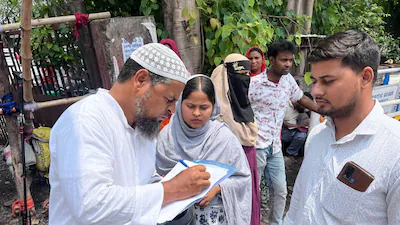
That’s accurately what occurred to Nadia Mondal in Duttapukur, North 24 Parganas. She’s a simple homemaker, married here 27 years ago. She told reporters with so much pain in her voice, “I submitted all the documents during the hearing but now my name is in the deleted list.” Can this being imagine how she must be feeling? Nearby in Deganga, Bagbul Mallik, a small businessman, is in the same boat. His whole family is still on the list, but he’s been cut off.
“Numerous people in every village have also been isolated,” he said. “We’re scared we won’t even be able to vote this time.” We all can hear the worry and anger in these people’s voices everywhere you go.
And this isn’t just a few sad stories. The Election Commission has removed around 90 to 91 lakh names – over 9 million people – from West Bengal’s voter rolls.
That’s the second highest in the whole country. Think about it… it’s like deleting the entire population of a medium-sized state. Crazy, right?
First they removed about 58 lakh for obvious reasons – people who died, moved away, or duplicates. Then judicial officers checked over 60 lakh doubtful cases. They brought back 32.6 lakh people, but still dropped another 27 lakh. Now the lists are frozen for the first phase of voting.
On the ground, people are frantic and anxious. Long queues outside district offices in Barasat, Basirhat, Malda – everyone running to file appeals. Things got so bad in Malda that angry crowds actually held seven judicial officers hostage for hours. The Supreme Court got really angry about that and scolded the state government.
The areas hit hardest are Murshidabad, Malda, North and South 24 Parganas – places with lots of Muslim voters, traditional TMC strongholds. Around 12 lakh deletions from these districts alone. Many poor people, daily wage workers, old folks, and women whose names changed after marriage are suffering the most. A lot of them feel completely helpless.
Mamata Banerjee and TMC are shouting that this is a big cabal to grab away their votes, especially minority votes. They blame the Election Commission and BJP. On the other side, BJP says this cleanup was long overdue – removing fake voters, Bangladeshi infiltrators, and dead people’s names that were still floating around. The Commission says they did door-to-door checks and gave everyone chances to prove themselves.
But when sit with people like Nadia, all this political blame game feels useless. She said something that really hit me: “Didi and Dada are both responsible for our bad fate. Didi is fighting for all of us… but it’s a false fight. I’ve been running from pillar to post for four days now.
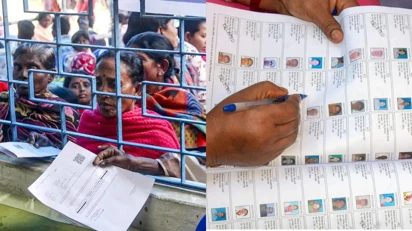
The Supreme Court has stepped in a few times, saying genuine voters shouldn’t lose their right forever. You can still appeal, but voting starts April 23 for 152 seats, then April 29 for the rest, results on May 4. Time is almost up. So many won’t make it.
Nobody is saying voter lists shouldn’t be cleaned. Ghosts and fake names shouldn’t decide elections. But when it happens on such a massive scale, right before such an important election, it leaves a very bitter feeling. People who have voted honestly for years suddenly feel like they don’t exist anymore. Especially in border areas where papers are sometimes not perfect.
This whole SIR has shaken so many families. Trust in the system is taking a hit. Democracy feels a little shaky in Bengal these days.
If you’re in West Bengal and your name is missing, please don’t give up – keep trying, go to the offices, raise your voice.
Sources:
Ground reports from NDTV, India Today, Times of India, The Wire, official Election Commission data, and Supreme Court observations – all from the past few days (April 2026).