
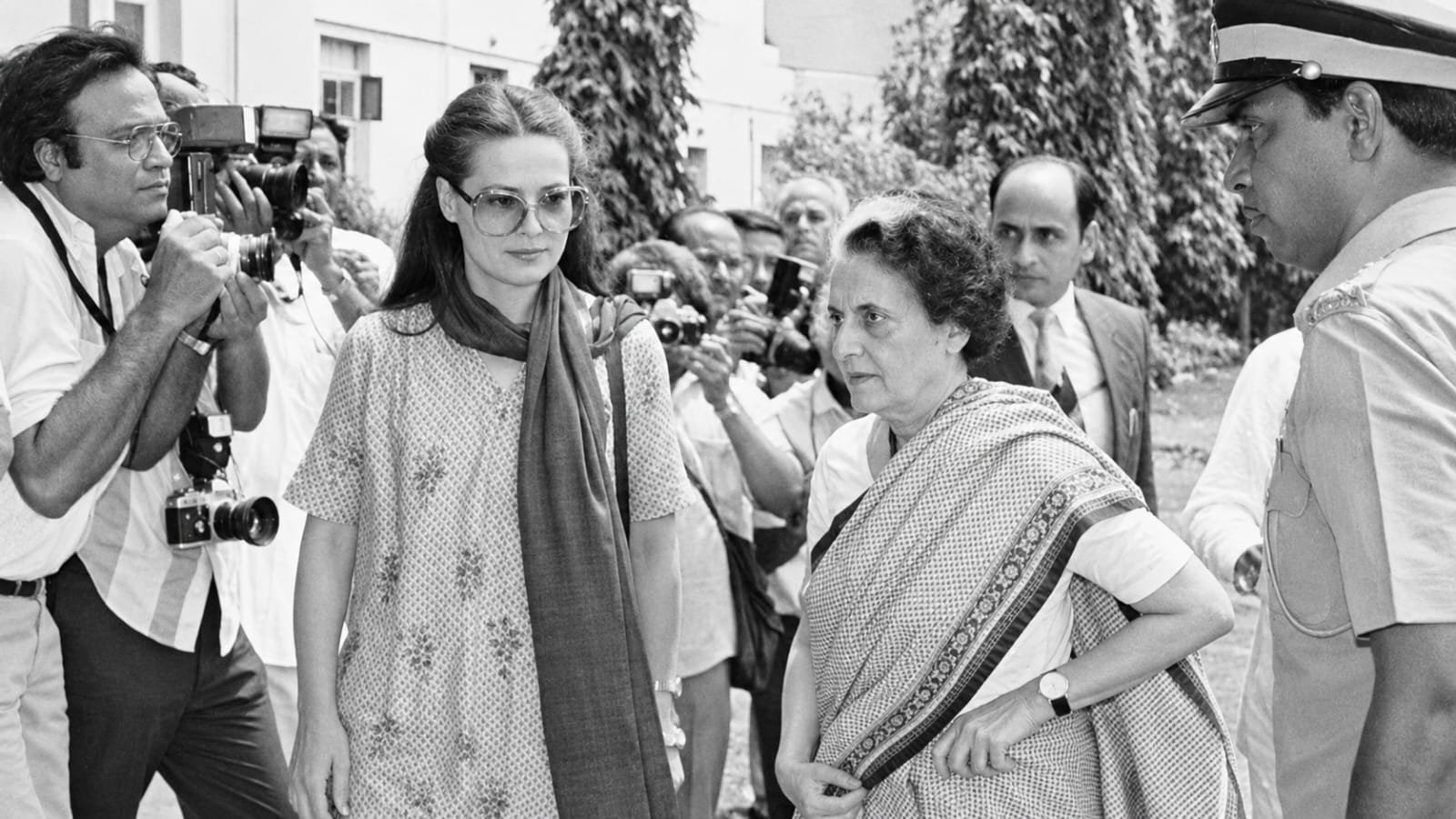
Ahead of her memoir Belonging: A Journey of Love, she’s opened up about one of the most uncomfortable chapters in the family’s history — the Emergency of 1975. And she’s not sugar-coating it.
She has called the decision to impose the Emergency a mistake. Straight up. And she believes her mother-in-law, Indira Gandhi, came to feel the same way too. “I always feel that Mrs Gandhi was a democrat at heart,” Sonia said. “I know that many would laugh at this, but I believe she was never comfortable in the course of the emergency. I think it was sitting heavy on her.”
That line hits different because for so long the official line stayed carefully worded. Now she’s saying what a lot of people inside the family quietly knew: the whole thing weighed on Indira. The family itself was split right down the middle. Rajiv, Sonia’s husband, was against it. He kept telling his mother to wait for the next election, to let the process play out. Sanjay was on the other side. At one family dinner he pushed hard, arguing that the opposition would destroy her if they weren’t stopped. “They must be stopped,” he said. Rajiv tried to confront his mother about it, but she wouldn’t listen. Those tensions sat heavy at the dinner table.
Sonia doesn’t put the entire blame on Sanjay alone — she is careful about that. In public memory he became almost synonymous with the Emergency, especially the excesses that followed, the sterilisation drives, the demolitions, the atmosphere of fear. But she points out there was real pressure from some of Indira’s senior colleagues as well. Very few people around her, she says, held a different view the way Rajiv did. Still, she is clear that keeping Sanjay in check could have prevented a lot of the damage that came after. That sentence sits in the book and in the interviews like a quiet admission that things didn’t have to go the way they did.
Looking back, Sonia says she only understood the full gravity of what was happening after the Emergency ended. Democratic rights were curtailed. Habeas corpus was suspended. People felt the weight of it in their daily lives. She doesn’t deny any of that. At the same time she tries to put herself in Indira’s shoes at the time — the violent protests, government offices and buses being set on fire, organised unrest, even calls for the bureaucracy and the armed forces to disobey orders. From that vantage point, she says, Indira was struggling to cope with a situation that felt like it was spinning out of control. The decision itself, she notes, was taken through constitutional provisions. That distinction matters to her.
What she keeps coming back to is that Indira eventually recognised what was happening. She called the March 1977 elections herself. Later she publicly expressed regret and apologised for the excesses. Hindsight, Sonia says, lets us see things more clearly. The fact that Indira called those elections is itself evidence that the rethink had begun.
The memoir is set to release on 10 November, and these remarks have already stirred the usual political reactions. Some see it as an overdue acknowledgment. Others treat it as a carefully managed attempt to reframe the past. Either way, the words are out there now in Sonia’s own voice. She is not pretending the Emergency was anything other than a dark chapter. She is not pretending the family was united about it. And she is not pretending that Sanjay’s influence didn’t make the damage worse.
For anyone who lived through those twenty-one months, or grew up hearing the stories, this feels like one of those rare moments when someone from inside the house finally says the quiet part out loud. The Emergency was a mistake. Indira felt the weight of it. Sanjay’s push added to the harm. And the family still carries the memory of that split. That’s the substance of what Sonia Gandhi has chosen to put on the record as she looks back.
Sources: Reports based on Sonia Gandhi’s interviews with The Guardian and The Hindu, and excerpts and coverage from India Today, DT Next, The Print, and other Indian outlets carrying the memoir-related remarks on 7 November 2026.
@Rohit Manral