
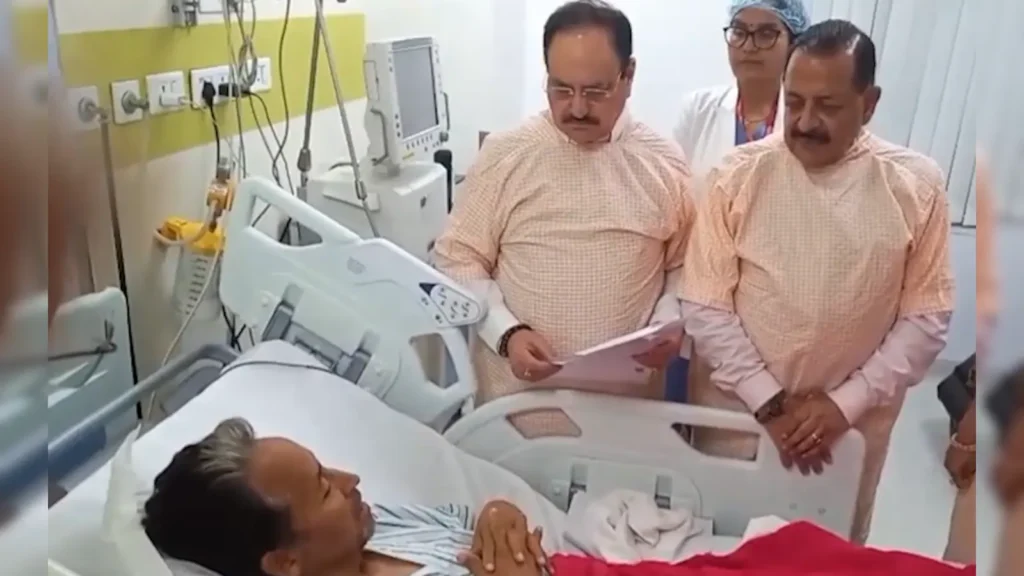
After weeks of stress, distress, and nationwide conversations about our broken education system, climate activist Sonam Wangchuk by and by broke his 26-day hunger strike on July 23, 2026. He did it at Medanta Hospital in Gurugram, with Union Ministers JP Nadda and Dr. Jitendra Singh right there by his side. At the selfsame time, Prime Minister Narendra Modi dropped a strong video message late in the night, vowing even stricter actions against those nasty paper leaks that have wrecked the dreams of lakhs of young students.
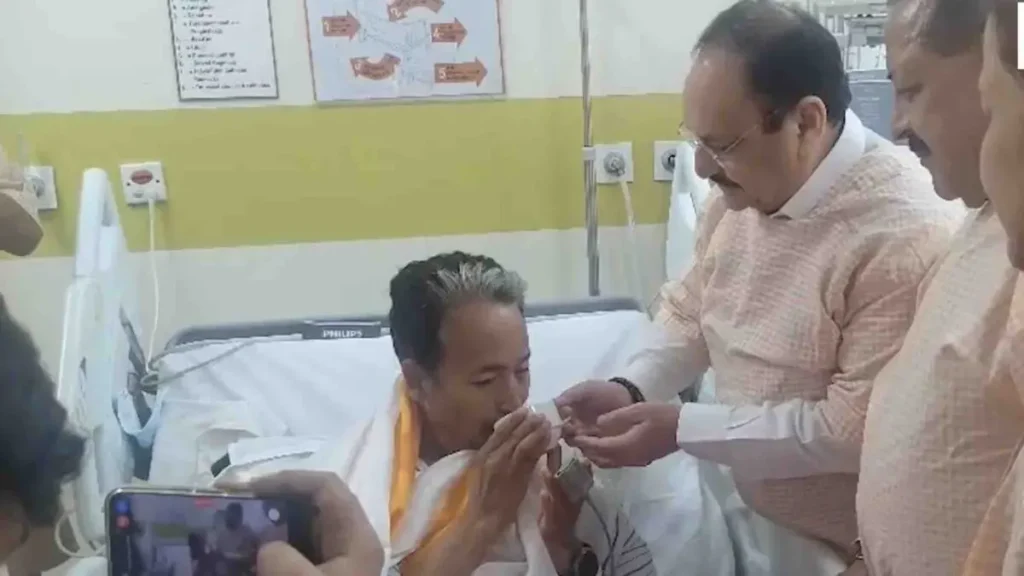
Sonam Wangchuk, the Ladakhi engineer and educator known for his impassioned work on climate and local affair, joined the protests led by the Cockroach Janta Party (CJP) demanding big fixes in how we conduct exams like NEET. He started fasting on June 28, surviving only on salt and water. By the end, he had lost over 9 kilos, and doctors were solemnly worried about his health. Supporters, opposition leaders, actors, musicians – everyone was pleading with him to stop before it got too dangerous.
But Wangchuk isn’t the kind of guy who gives up easily. He set clear conditions: accountability for the recent exam messes, no police violence against peaceful student protesters, parliamentary discussions on reforms, and support for affected families. In the end, after long negotiations, he decided to end the fast “in view of possible violence in the country.” He posted on X urging everyone to respond with “only flowers” if provoked, and promised to explain the full deal in a video soon. He also thanked 65 MPs from different parties who visited or wrote letters supporting him.
We watched some of the clips – ministers helping him break the fast, the emotional scenes at the hospital. It humanizes the whole thing, right? These aren’t just headlines; real people have been suffering. Students whose years of hard work got stolen by leaks, parents losing sleep, and activists putting their bodies on the line. Wangchuk’s fast brought massive attention to how paper leaks have become almost routine – from NEET-UG scandals to other competitive exams. The anger is real, especially among the youth who feel the system is rigged against honest effort.
On the government side, PM Modi didn’t stay silent. In his video message, he called paper leaks a “serious crime against the future of India’s students.” He said it’s painful for lakhs of youngsters and their families. The big announcement? More strict actions will be discussed and finalized in Friday’s Cabinet meeting, with a new bill likely to be pushed in Parliament next week. We’re talking fast-track courts, harsher punishments, better security for exam processes, and stronger accountability. Modi emphasized it’s a “national responsibility” to fix this.
This comes amid ongoing protests. Even as Wangchuk ended his strike, groups like CJP said they’ll keep the sit-in going until Education Minister Dharmendra Pradhan resigns. The movement has been loud – students surrounding media vans they call “Godi Media,” demands for systemic overhaul, not just band-aids. Wangchuk’s decision seems pragmatic; he wanted to avoid escalation into something ugly while securing some commitments.
Looking back, Sonam Wangchuk has always been this voice from the margins. Whether it’s fighting for Ladakh’s fragile ecology or now standing with students, he leads by example – simple living, deep conviction. His hunger strike wasn’t just personal; it spotlighted how exam leaks erode trust in the biggest democratic promise: merit and opportunity. Parents in small towns saving every rupee for coaching, kids studying through power cuts – their faith gets shattered when papers leak for money or power.
The government’s response shows they’re feeling the heat. Promises of fast-track courts and a new bill sound promising, but implementation will be key. We’ve seen announcements before; people want results – arrests, convictions, and a system where leaks become nearly impossible. Transparency in question setting, digital safeguards, stricter vetting of agencies involved in exams – these need to happen fast.
For the students still protesting, this is bittersweet. Relief that Wangchuk is safe and eating again, but the fight isn’t over. Many are calling for broader reforms: reducing the insane pressure of one exam deciding fates, more seats, better regulation of coaching mafia, and mental health support. The NEET mess of 2026 has become a symbol of everything wrong – grace marks controversies, alleged irregularities, delayed results, and shattered careers.
In conversations across chai stalls, college canteens, and family WhatsApp groups, people are talking about this. Youngsters feel heard for once. Elders worry about stability. Political observers see it as a test for the government ahead of bigger battles. Modi’s late-night video and the ministers’ hospital visit suggest an attempt at de-escalation and showing empathy.
Wangchuk lost weight and risked his health, but he gained moral ground. His message of non-violence even in anger is powerful in these polarized times. As he recovers, the ball is now in the government’s court to deliver on those assurances.
This episode reminds us how democracy works when citizens refuse to stay silent. Paper leaks aren’t small administrative glitches; they’re theft from the future. If the promised strict actions actually materialize – with teeth, not just paper – it could restore some faith. Until then, the protests continue, the conversations go on, and hope mixes with skepticism.
India’s youth deserve better. They’ve shown resilience and unity. Now, it’s time for the system to match that energy with real change. Let’s see what the Cabinet brings tomorrow and how Parliament responds next week. For now, hats off to Sonam Wangchuk for his sacrifice, and cautious optimism on the government’s words turning into action.
Sources:
- The Hindu, Times of India, Al Jazeera, BBC, NDTV, and official statements via PM Modi’s and activists’ social media posts (July 23, 2026 reports).