
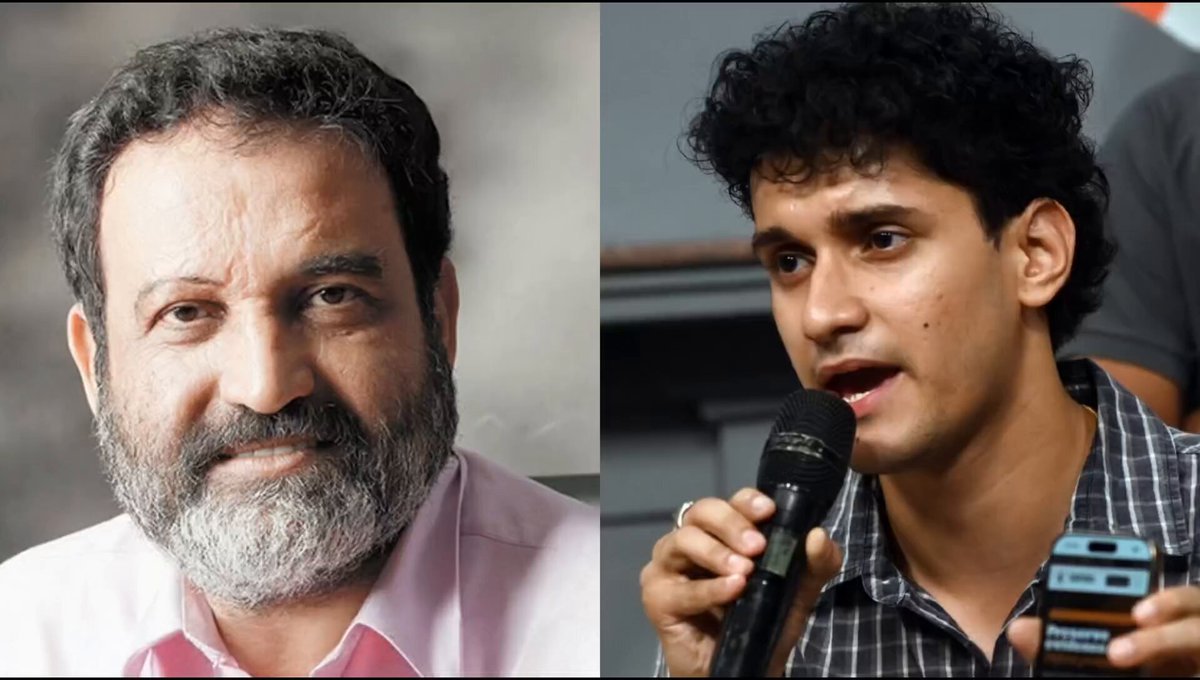
The back-and-forth between Cockroach Janta Party co-convenor Saurav Das and Aarin Capital chairman Mohandas Pai has been playing out right in front of everyone on X this weekend. It started with reports of trouble in Jaipur and quickly turned into a sharp exchange about how to actually fix India’s government schools.
CJP has been running its “School Thik Karo” campaign for a couple of weeks now. Volunteers are going around documenting the state of government schools — missing toilets, unsafe buildings, no drinking water, classrooms that look like they haven’t been touched in years. The idea is simple: parents and citizens do the social audit themselves, put the evidence out, and push authorities to act. On Independence Day they kicked it off properly, and by mid-August they’d already got more than a thousand volunteers involved across several states.
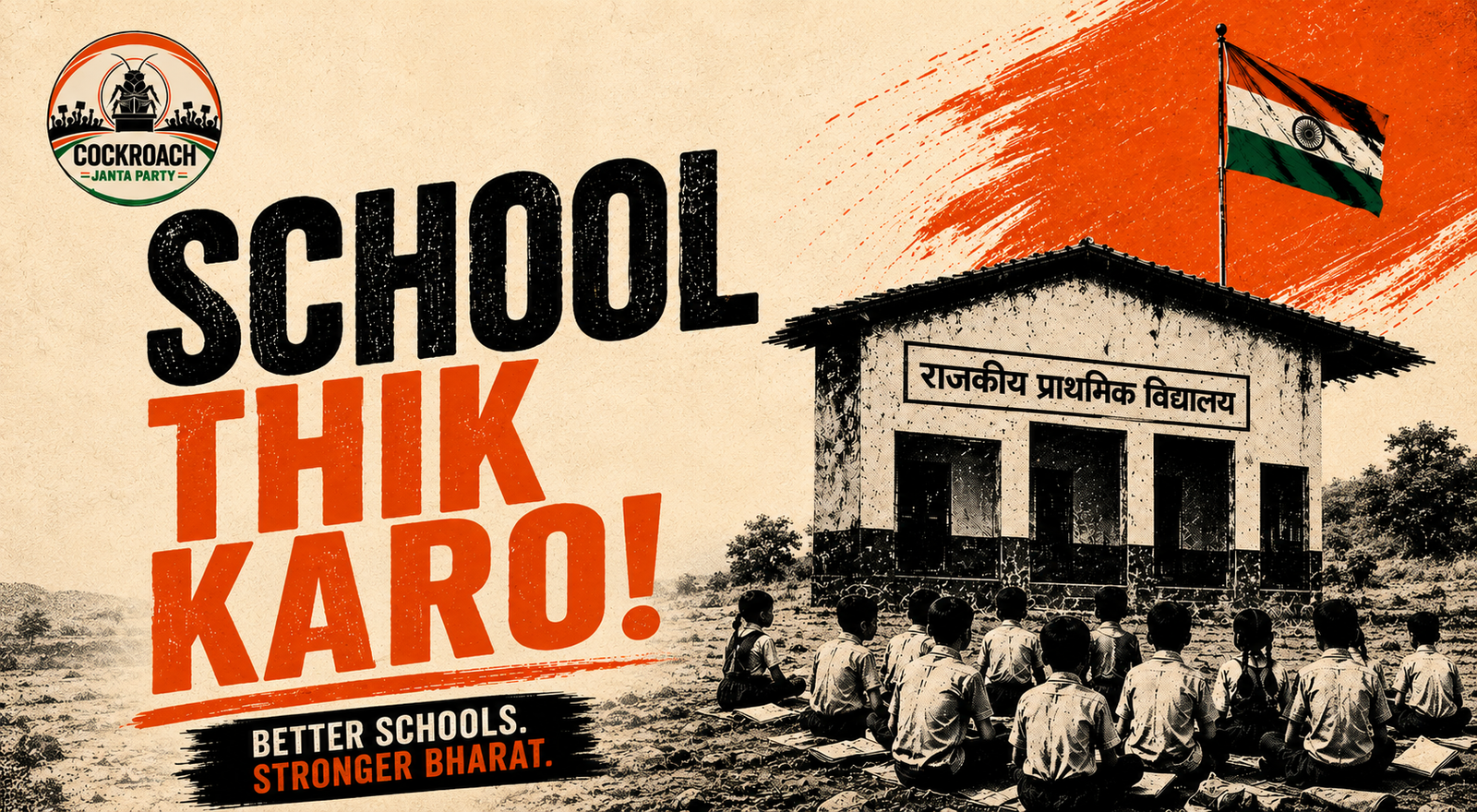
Things heated up in Rajasthan. CJP co-convenor Ashutosh Ranka said their team was attacked while trying to inspect a school that was reportedly running out of a cow shelter in Jaipur. Vehicles damaged, people beaten, the works. Pai called the whole account rubbish. He said the volunteers had no business showing up as a “mob” near children, and that villagers were right to protect the kids. Safety first, he argued. Anarchy doesn’t help anyone.
Das didn’t take that quietly. He shot back that “all our uncles have greatest gyan to give but have no time to take part in a noble cause.” Then he threw down a challenge: “Sir, please come along with us next time and show us how to do it best. You lead, we follow. Deal?”
Pai took the bait and laid out his prescription. Form groups of two, he said. Get permission properly. Visit the schools allocated to you. Write a proper ground report by taluk. Hand it over to the state government. Publish quarterly public reports. Talk to citizens with hard data in hand. That way people will respect the work, you’ll know which states are lagging, and you’ll understand the real scale — roughly 18 lakh schools, 24 crore children up to Class 12, 1.3 crore staff, and half the kids still in government schools even as that share is shrinking. “This is public service,” Pai wrote. “If you are true and want change do this. Not leading a mob to a school, abusing people, threatening teachers and acting high and mighty.”
Das’s reply was blunt. “Whatever you are saying is being done by both the NITI Aayog and independent NGOs. Yet you see what you see. Groups of two in unruly states, take permission and what not? Respectfully sir, your suggestion is slow, boring, unconnected to reality. Much like the present system!”
That’s the line that stuck. Slow, boring, unconnected from reality. In one short post he basically said the careful, official-looking route has already been tried and the schools still look the same. Permission slips and neat reports haven’t fixed the broken toilets or the roofs that leak when it rains.
You can see why both sides are dug in. Pai is coming from the place of order, data, and process. He’s pointing out that India’s school system is massive and that chaotic visits risk scaring kids and alienating the very communities whose schools need help. Das and the CJP crowd are saying the polite, permission-seeking version has been running for years through government bodies and NGOs and the results are still visible on the ground — schools that function out of cow shelters, locked toilets, no water. Their campaign is deliberately loud and citizen-driven because they believe quiet reports get filed and forgotten.
The Rajasthan episode shows how quickly these visits can turn messy. Education officials there had already started restricting outsiders from entering schools without prior permission and limiting photography and interviews with children, citing privacy and safety. Similar pushback has come from civic bodies in places like Mumbai. CJP insists citizens have every right to check on public institutions paid for by their taxes, especially when the Right to Education is supposed to guarantee basic facilities.
Meanwhile the campaign itself keeps rolling. Volunteers are still putting out photos and checklists. CJP says the point isn’t to play inspector for the sake of it; it’s to force attention onto problems that official surveys somehow keep underplaying. Whether that works better than Pai’s methodical data-collection plan is the real argument underneath the Twitter sparring.
For now the two men are talking past each other. One side wants structure and respect for process. The other side says the process itself is part of the problem — slow, bureaucratic, and far removed from the daily reality of a child studying in a building that should have been condemned years ago. The schools, of course, are still waiting for someone to actually fix them.
Sources
- LiveMint: CJP’s Saurav Das dismisses Mohandas Pai’s school inspection suggestion (23 Aug 2026)
- Hindustan Times: CJP’s Saurav Das rejects suggestion on inspecting schools (23 Aug 2026)
- Economic Times: Mohan Das Pai replies to CJP’s Sourav Das after Rajasthan incident (23 Aug 2026)
- X posts by @SauravDassss and @TVMohandasPai (22–23 Aug 2026)
@Rohit Manral