
Sometimes even the nicest events get caught in this m political web we have in India. This one started so beautifully – a big gathering of Santal people from all over to celebrate their language, songs, dances, their whole way of life. And then it turned into headlines full of anger and finger-pointing.
The International Santal Council – basically a group of community leaders and elders, not the government – had organised their 9th big international conference. President Droupadi Murmu was coming as the chief guest. For Santal folks, having their own sister (she’s from the same community, grew up speaking Santali at home) as the President of India is still a huge emotional thing. So thousands were excited, planning trips, borrowing money for bus tickets, telling kids “we’re going to see Droupadi Didi”.
They had picked this lovely big open ground in Bidhannagar village, Phansidewa. Wide, green, plenty of space. President Murmu herself later said, “Five lakh people could have stood there comfortably, no problem.” But the day before or maybe even that morning, the local administration said, “No, we’re shifting it.” New place: Gossainpur, nearer to Bagdogra airport but really on the edge of everything. Reason? “Too much traffic, security headache, can’t manage.” Okay, maybe. But for villagers coming from far-off tea gardens and villages, that extra distance meant many just couldn’t make it. They reached Siliguri and then realised the event was another 20-25 km away in the opposite direction. Heartbreaking for people who had waited months.
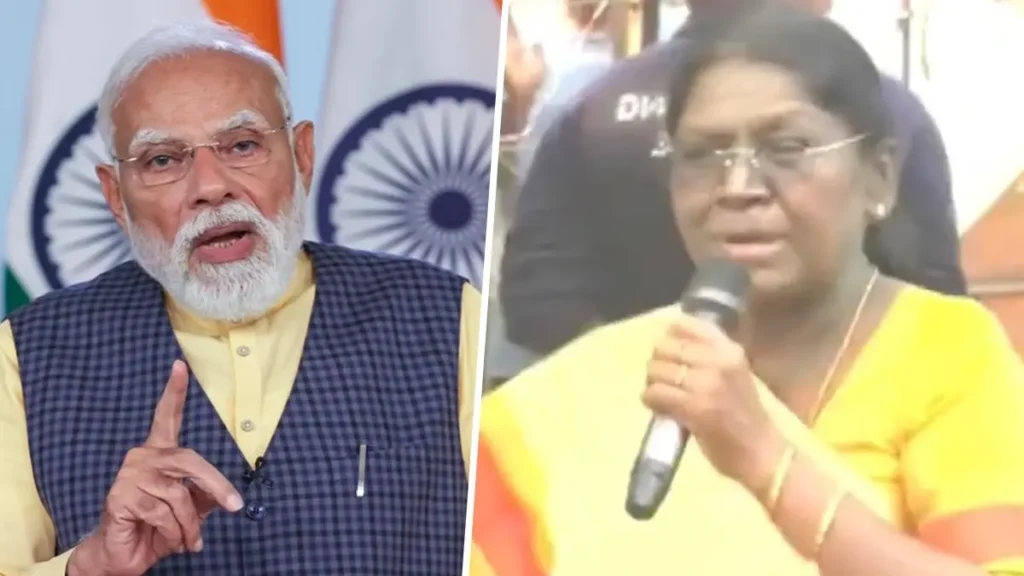
After the speeches and cultural programmes finished at the new spot, President Murmu didn’t just leave. She went back to the original Bidhannagar field. Stood there among the Santal men and women who had managed to reach, and she spoke straight from the heart. No script, no anger, just real sadness. She said, “I’m very upset. I don’t know why they thought this place was congested – look how big it is.” She was most pained that “our own people” couldn’t come because of the change. Then she quietly added something that went straight to people’s hearts: nobody from the state government came to welcome her. Not Mamata Banerjee, not one minister, not even the Governor. “It’s the tradition when Rashtrapati visits,” she said softly. And then – in that typical Bengali family way – she called Mamata “Didi” and said, “I’m also a daughter of this soil… I wonder if Didi was upset with me, that’s why nobody came.” You could feel the lump in her throat. It wasn’t politics; it was personal hurt.
That video spread everywhere within hours. Prime Minister Modi saw it and wrote on X the same evening. He was furious. Said it was “shameful and unprecedented”, that the whole country feels bad seeing the President – especially a tribal woman who has fought all her life for her people – treated like this. He straight-up blamed the TMC government for the insult and for disrespecting Santal culture too. Other BJP leaders joined in, saying it’s a new low.
Next morning Mamata Banerjee gave her side. She was angry but calm in that steely way she has. Said: “This was not a government programme. It was private. We don’t have to attend every private event.” She called the BJP out for turning everything into politics, especially now when Bengal elections are coming closer. “They only talk about tribals when they want votes. Where were they when adivasis face real problems?” She even posted some old pictures claiming the BJP had disrespected the President earlier, basically saying “glass houses, people”. And to Murmu she said gently but firmly: “Don’t let them use your name for their games.
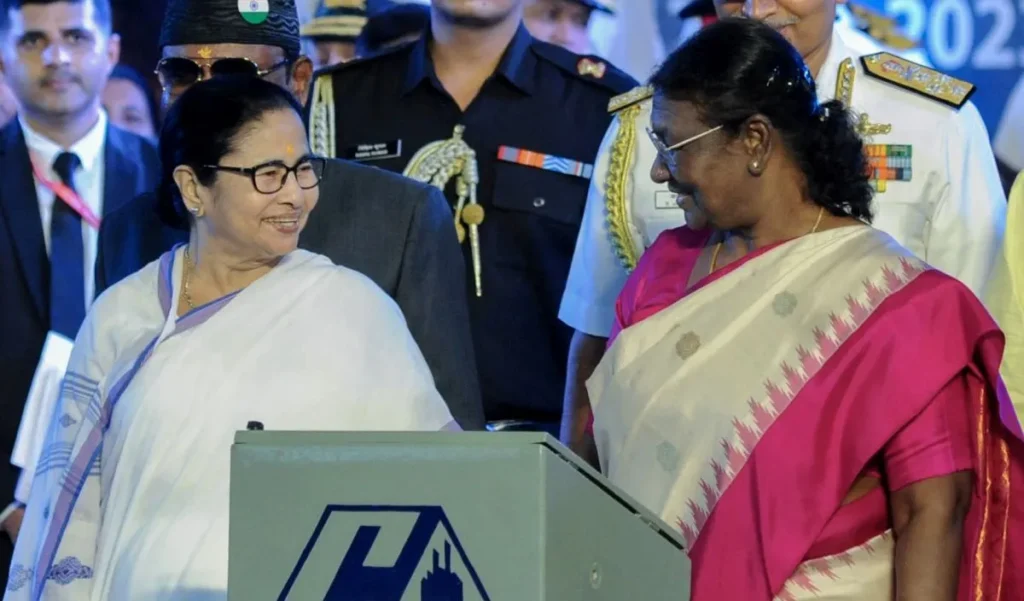
Meanwhile, the Union Home Ministry asked for a full report from Bengal – why the venue changed, why no one received her, everything. They wanted it by Sunday evening.
At the bottom of it all, it’s less about where the stage was kept and more about feelings. About a woman who became President and still remembers what it’s like to be from a community that’s often pushed to the side. About pride, respect, and how quickly our politics turns even beautiful cultural moments into battlegrounds.
Sources:
Times of India
The Hindu
Hindustan Times
Indian Express
PTI
ANI
NDTV
The Print
Deccan Herald