
After months of tension, fighting, and all the chaos that hit everyone’s wallets, Prime Minister Narendra Modi has come out and said he’s happy about the peace understanding between the US and Iran. It’s one of those moments where you can almost feel the collective sigh of relief from New Delhi to the oil markets.
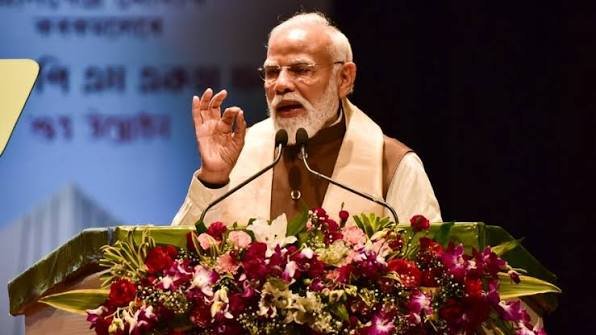
The conflict kicked off back in late February 2026 with US and Israeli strikes on Iran. Things got really heavy – loss of lives, missiles flying, and worst of all for everyday folks, the Strait of Hormuz basically got blocked. That narrow stretch of water is like the lifeline for a huge chunk of the world’s oil and gas. When it shut down, prices shot up, supply chains got hammered, and countries like India felt the pinch hard. Petrol prices climbing, worries about cooking gas, higher costs for everything from transport to farming – it wasn’t pretty.
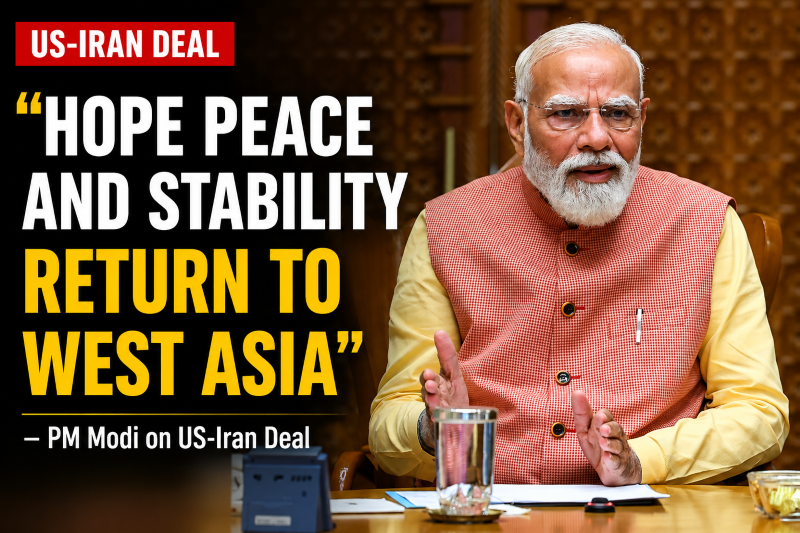
On Monday, June 15, PM Modi posted on X (you know, the old Twitter) with a clear message. He said: “I welcome the understanding reached between the United States and Iran on ending the conflict in West Asia, which has caused serious economic disruption across the world and led to loss of life in many countries.” Straight to the point, acknowledging the pain it caused globally.
He didn’t stop there. Modi added that India hopes the deal will “help restore peace and stability in the region and ensure the freedom of navigation and commerce.” And looking ahead, “We look forward to deliberations on the remaining issues reaching a sustainable final agreement.” The formal signing is supposed to happen on June 19 in Switzerland. Sounds like a solid step after over 100 days of this mess.
Why does this matter so much to India? Simple – energy security. We import a ton of our crude oil from the Gulf region, and a big part of it passes right through that Strait of Hormuz. When shipping got disrupted, oil prices jumped over $100 a barrel at times, putting pressure on our economy. Higher fuel costs mean everything from truck transport to electricity bills goes up. Farmers dealing with fertilizer shortages, industries cutting back – it rippled through. Plus, there’s the human side: Indian workers in the Gulf, remittances coming home, and our long-standing ties with Iran, including projects like Chabahar Port that give us access to Central Asia.
India has always pushed for dialogue over drama in the region. We’ve got friends on multiple sides – strong ties with the US, Israel, and Gulf countries, but also historical and practical relations with Iran. Modi’s statement walks that balanced line perfectly. It’s not picking sides; it’s about what’s practical for stability and keeping trade flowing. No wonder the MEA and experts have been quietly working channels to keep our ships moving even during the tough times.
This deal isn’t just about stopping the shooting. Reopening the Strait means tankers can move again, oil supplies can normalize, and hopefully prices will ease off. For Indian households, that could mean some breathing room on inflation. Businesses can plan better. Globally, it calms nerves in markets that have been on edge. Of course, everyone’s watching if it sticks – there are still details on nuclear stuff, sanctions, and other thorny issues, and Israel has its own views. But a framework to end the active fighting is huge.
Thinking bigger picture, this shows how connected our world is. A conflict thousands of miles away hits your local petrol pump. India’s economy has shown resilience, but prolonged disruption would’ve tested it more. Modi’s quick welcome signals continuity in our foreign policy – pragmatic, focused on development, and pro-peace through diplomacy. It also highlights India’s growing voice on the global stage. We’re not just affected; we’re stakeholders whose opinion matters.
People on social media and in newsrooms are calling it a positive development. After the heartbreak of lives lost and economies strained, any path to calm is welcome. For ordinary Indians, it means hoping for cheaper fuel soon and fewer headlines about crisis. For the government, it’s space to focus on growth targets again.
Of course, peace deals need follow-through. The next few weeks with the signing and implementation will be key. But for now, Modi’s words capture the mood – cautious optimism mixed with real hope that the region gets back to normal. India stands ready to support stability because, at the end of the day, that’s what benefits all of us.
In a world full of uncertainties, this feels like a win for common sense. Here’s to fewer disruptions and more steady progress ahead.
Sources:
- Hindustan Times: PM Modi statement and details on the deal.
- The Print, India Today, and other major outlets reporting Modi’s X post and context.
- Background on the 2026 Iran conflict from Wikipedia and news summaries on economic impacts.
- Reports on India’s energy interests and Hormuz from various diplomatic and economic analyses.