
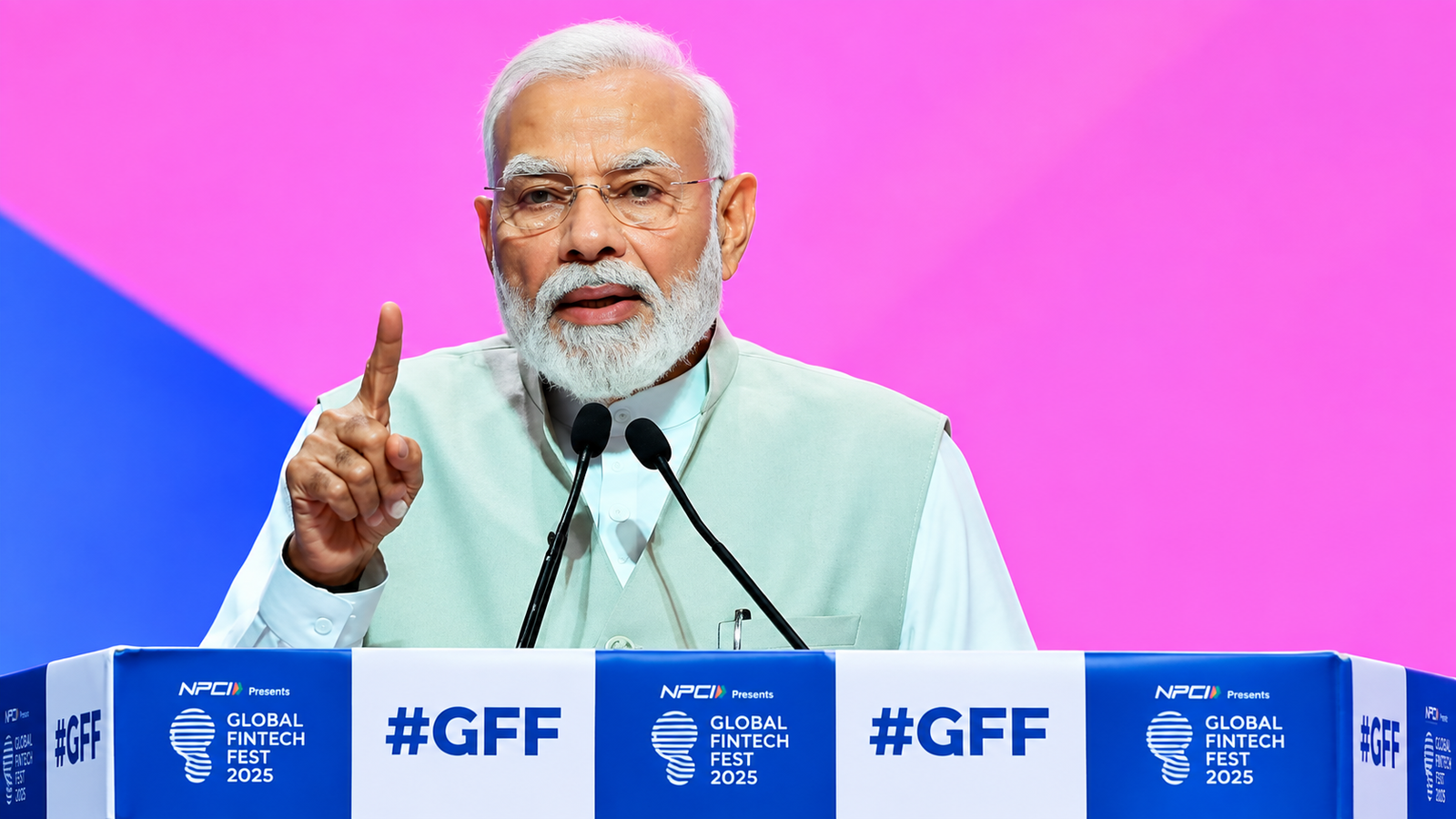
Prime Minister Narendra Modi gets up and basically tells the room: we’ve done the hard part at home, now let’s take this UPI thing and properly plug it into the world. UPI is already live in 11 countries — Singapore, the UAE, France, Nepal, Bhutan, Sri Lanka, Mauritius, Qatar, Cambodia, Greece and the Maldives. Solid list. But Modi made it clear this is only the first step. The real game is connecting UPI directly with those countries’ own domestic payment systems, the same way India already did with Singapore’s PayNow.
He put it simply. Once that link is in place, sending money between India and Singapore feels like transferring cash from one neighbourhood to another in the same city. No drama, no waiting, no big fees. Now, he said, we need to replicate that elsewhere. Focus on places where large numbers of Indians live and work, or where trade with India is heavy, or simply where the other side is ready to walk with us on this.
Why does this matter so much? Because Indians abroad are the world’s biggest remitters. They send home the largest volume of money of any diaspora on the planet. A chunk of that money still disappears into transaction fees and intermediate banks. Modi’s point was straightforward: UPI can cut those costs and get the money to families faster. In the last fiscal year India received over $155 billion in remittances. Even a small percentage saved on fees adds up to real money for ordinary households.
There’s a bigger idea underneath the practical pitch. Right now a lot of the global card-payment architecture runs on standards and systems designed elsewhere. India, Modi argued, now has a working alternative. We can set our own rules and protocols for cross-border payments and then connect them to the rest of the world. It’s not about rejecting everything foreign; it’s about having a sovereign option and offering it as a partner.
The numbers back up why people are listening. In August alone UPI handled 24.51 billion transactions, worth roughly ₹29.82 trillion. That’s mind-boggling scale for a system that is still relatively young. It already accounts for a huge share of global real-time payment volume. Taking that infrastructure overseas, and then linking it properly instead of just making it available, is the logical next move.
Think about the everyday impact. An Indian nurse in the Gulf, a student in Europe, a trader dealing with partners in Southeast Asia — if they can move money as easily as they do inside India, life gets simpler and cheaper. Merchants in partner countries start accepting UPI more readily. Tourists and the diaspora stop worrying about exchange rates and card surcharges for smaller spends. Over time the friction drops.
Of course it’s not automatic. Linking two national payment systems involves technical work, regulatory alignment, currency conversion rules, and trust between the central banks and operators. Singapore showed it can be done cleanly. Other corridors will take time and negotiation. NPCI has already spoken about aiming for another 15–20 markets over the next decade, with the diaspora corridors as the natural starting points.
The timing is interesting too. This push comes ahead of conversations in groups like BRICS about more local-currency trade and settlement. India has been looking for ways to reduce pure dollar dependence in certain cross-border flows without making a big political song and dance about it. Seamless fast-payment links fit neatly into that quiet practical approach.
What I like about the way Modi framed it is that it doesn’t sound like empty ambition. He pointed to something that already works — the Singapore connection — and said let’s do more of that. He reminded the fintech crowd that the domestic success of UPI wasn’t an accident; it came from solving real problems for ordinary people at massive scale. The same mindset can travel.
There’s also a soft-power angle that doesn’t need to be overstated. When a system built in India becomes useful to people living and working abroad, and to the economies they live in, it builds quiet goodwill. It shows that Digital Public Infrastructure isn’t just a domestic story. It can be shared.
None of this means traditional remittance channels or card networks disappear overnight. They won’t. But every corridor that becomes faster and cheaper changes the calculation for families and businesses. Over years that compounds.
So that’s the message from Mumbai this week. UPI has arrived in 11 countries. Now the harder, more interesting work begins: stitching it into the local payment rails so the “desi” system actually talks to the global ones without friction. If the industry and the partner countries deliver on that, a lot of Indians living far from home will feel the difference in their bank balances and their peace of mind.
Sources: Times of India, Bloomberg, Business Times, Rediff, Fortune India, News18, The Hindu BusinessLine, CryptoBriefing / NPCI and government data cited across reports.
@Rohit Manral