
Prime Minister of India, Narendra Modi has announced the launch of two new and central government schemes to help farmers in their crop production before the winter arrives with the rabi season. As per news reports, the two schemes have about Rs. 35,440 crore budget with an aim to raise crop production (specifically pulse) and help farmers to catch up and reduce the need to import pulses. The two schemes with their allotted budget amounts are:
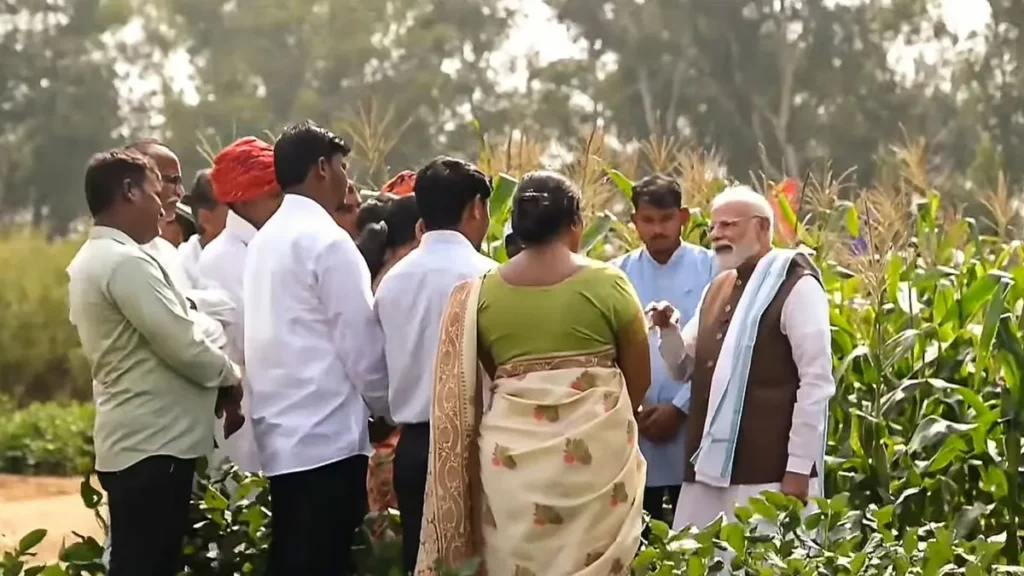
- Pradhan Mantri Dhan Dhaanya Krishi Yojana (PM-DDKY): Rs. 24,000 crore. PM Modi stated, “Under the PM Dhan-Dhaanya Krishi Yojana, localized livestock health campaigns will also be launched to ensure continued care and disease prevention at the grassroots level” (sourced from pib.gov.in)
- Misson for Atmanirbharta in Pulses (Dalhan Atmanirbharta Mission): Rs. 11,440 crore. PM Modi stated, “The Dalhan Atmanirbharata Mission seeks to address this challenge by boosting domestic pulse production, thereby enhancing nutritional security and self-reliance. The Dalhan Atmanirbharata Mission, with an investment of over 11,000 crore rupees, will provide substantial support to farmers” (Sourced from pib.gov.in)
Both the schemes will be launched for the upcoming rabi season and is expected to run for several years. The schemes aim to enhance the agricultural production, amplify sustainable agriculture practice, improve irrigation system, increase productivity level of pulses, expand the pulse cultivation area and ensure loss reduction.
What are these schemes launched now?
There are two primary causes behind the launch of these schemes:
- More pulses at home: Lentils, chickpeas, and other pulses are used extensively in India. The nation imports pulses because crops frequently fall short. In order to reduce India’s reliance on imports and stabilize prices, the pulses mission seeks to increase domestic production.
- Assist underperforming districts: Approximately 100 districts where farming is falling behind will be the focus of the PM-DDKY. It is believed that targeted assistance, which includes not only funding for inputs but also irrigation, storage, and market connections, can increase farm productivity and incomes.
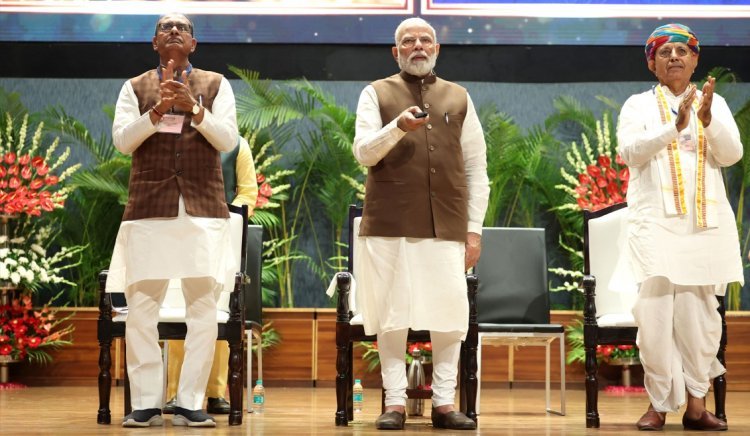
What the plans will cover?
According to officials, the programs will help more than just subsidies in the farming industry. The major areas covered by these schemes in farming are:
1. Irrigation: To help farms produce more crops per drop, encourage micro-irrigation (sprinkler and drip) and optimize water use.
2. Better training and seeds: Give farmers better training on how to grow pulses and other crops, as well as better seeds.
3. Storage and processing: To prevent crop spoilage and increase farmers’ profits, construct or renovate warehouses, silos, cold storage facilities, and small processing units.
4. Credit and soil health: easier access to crop insurance and farm loans, as well as more soil testing via Soil Health Cards.
To ensure that the support is coordinated, the government intends to collaborate with departments including agriculture, water, rural development, food processing, and finance. In addition to these two programs, the government initiated a number of smaller projects totaling approximately ₹5,450 crore in the fields of agriculture, animal husbandry, fisheries, and food processing. The purpose of these is to construct the necessary infrastructure for farmers to take advantage of the primary programs and enhance their crop production overall.
What can the farmers expect?
Farmers now after the launch of these schemes may expect more access to better pulse seeds for the upcoming rabi season, more robust extension assistance for crop selection and spacing, and specific incentives for implementing water-saving techniques like micro-irrigation. In order to expedite irrigation, storage, and market connections, states with identified low-performing districts are likely to receive central assistance. For instance, the first lists of districts designated for targeted interventions included Rajasthan as one of the states. Experts warn that prompt, excellent local implementation including prompt funding release, departmental coordination, effective procurement, and thorough outcome monitoring will be crucial to success. As per the experts, the following factors will now determine the success of these schemes: prompt release of funds, effective communication between state and federal agencies, fair and prompt acquisition of goods and services, robust local monitoring to ensure efficient use of resources.
Conclusion
These two programs represent a significant effort to assist underperforming agricultural districts and increase India’s pulse self-sufficiency. It’s good that the plans are broad and address a variety of topics, including seeds, water, storage, and market support. However, how well the plans are implemented on the ground will be the true test. Farmers may see higher incomes and more reliable pulse supplies in the years to come if funds are delivered on time to the appropriate locations by states and local organizations. With strong implementation, these two newly launched schemes can raise farmers’ incomes, cut imports, and modernize Indian agriculture; yet timely fund release, coordination and monitoring will determine real success on the ground for generations of the agrarian land of India.