
On this Wednesday, April 1, Prime Minister Narendra Modi sat down and a meeting with a special Cabinet Committee on Security (CCS) meeting. It wasn’t some ordinary assemblage – this was the big team handling national security and big strategic calls, and today they zeroed in on the tough, ongoing conflict in West Asia that’s got everyone a bit worried.
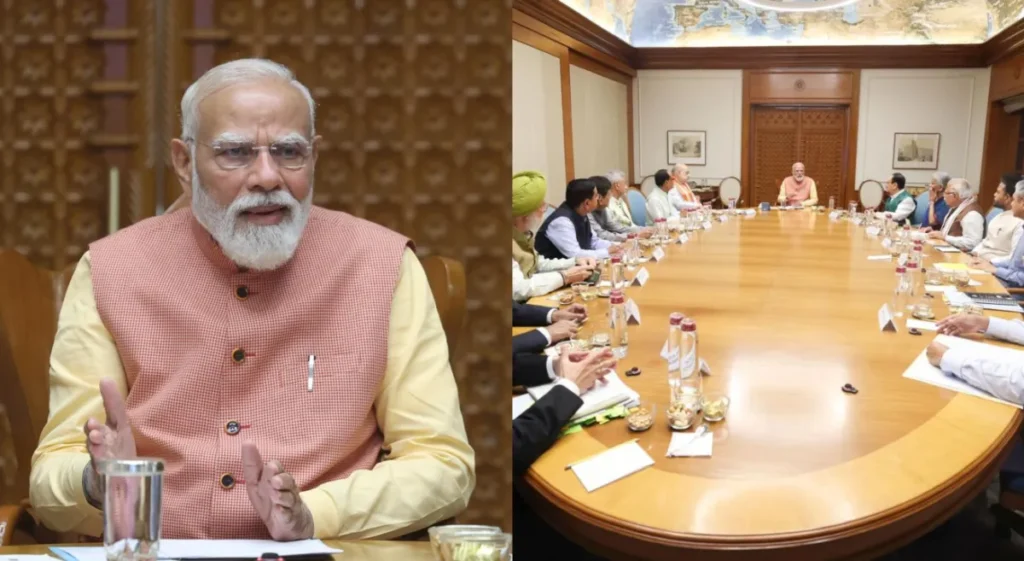
The tensions involving the US, Israel, and Iran have been heating up since late February, and it’s messing with shipping routes, especially through the Strait of Hormuz, which is basically the highway for a lot of the world’s oil. For us here in India, that matters a lot because we rely heavily on energy imports from that region. Any big agitate can push up costs for fuel, cooking gas, power, and even day-to-day stuff like groceries and transport. So today’s meeting was all about checking where everyone stand and making sure the common person.
Prime minister Modi was there with his all cabinet members: Defence Minister Rajnath Singh, Home Minister Amit Shah, Finance Minister Nirmala Sitharaman, External Affairs Minister S Jaishankar, and remaining all the ministers. They reexamined the recent ground situation, looked back at the steps taken since the last CCS huddle about ten days ago, and talked about what more needs doing regarding the situation – short term, medium term, and longer term.
The main focus? Taking care of the critical needs of everyday Indians – making sure there’s enough food, energy, fuel, and supplies so daily life keeps running smoothly without unnecessary trouble or panic.
This builds on the earlier meeting they had. Back then, they checked fertiliser stocks for farmers (and the news was good – levels are comfortable), coal for power plants, and ways to bring in chemicals, pharma ingredients, and petrochemicals from other places so not caught depending on one spot. They talked about diversifying imports, finding new markets for our exports, and keeping buffers ready.
In today’s meeting, they went deeper. PM Modi stressed working as one united “Team India” – all ministries coordinating with the states, no hoarding, no unnecessary worry, and quick action wherever needed. There’s even a dedicated group of ministers and secretaries set up to keep constant watch and step in fast if things change.
Petrol and diesel prices at the pump? Staying the same for now. Domestic LPG for your kitchen? No increase. The government is cushioning the impact on aviation fuel so flight tickets don’t suddenly jump and hurt middle-class travel. They’re keeping a close eye on agro commodity prices, and there’s enough seeds and inputs ready for the upcoming Kharif season. Fertiliser availability is being watched so our farmers can head to the fields without stress.
They also touched on the safety of the many Indians living and working in the Gulf countries – places like UAE, Saudi Arabia, and Qatar. In uncertain times, making sure our people abroad are okay is quietly important.
Because when big conflicts happen far away, they can slowly affect our prices, supplies, and daily routines. The government seems really focused on staying ahead – diversifying supply lines, keeping reserves strong, and working together so the pinch on your pocket or your farm stays as small as possible.
Of course, these high-level meetings don’t share every tiny detail right away, and that’s normal for sensitive matters. But the overall feeling coming through is calm preparedness, not alarm. PM Modi has been personally driving these reviews, reminding everyone that India has navigated global challenges before by staying practical and united.
As the situation in West Asia keeps evolving, you’ll probably see more coordination – maybe talks with chief ministers to make sure everything lines up from Delhi to the states.
At the end of the day, this is about something very uncomplicated and real: protecting the normal rhythm of life for common Indians. No big drama, just serious, focused work happening behind the scenes.
In times like these, the best we can do is stay informed, skip the rumours, and remember we’ve got systems working to look after the basics.
Sources:
Live updates and reports from Hindustan Times, The Economic Times, Livemint, India TV, Deccan Herald, PMIndia.gov.in (PIB), and other major outlets covering the CCS meeting on April 1, 2026, and the previous review on March 22-23, 2026.