
Things are getting really tense out there in the Gulf, and Pakistan just made a practical move that’s turning heads across the region. With shipping through the Strait of Hormuz badly disrupted by the going on US-Iran standoff, Islamabad has silently opened up six overland road routes to move goods into Iran. It’s not some grand political affirmation on the surface; it’s about clearing a enormous backlog of stranded cargo piling up at Pakistani ports, especially Karachi. But in today’s charged atmosphere, every step like this carries weight.
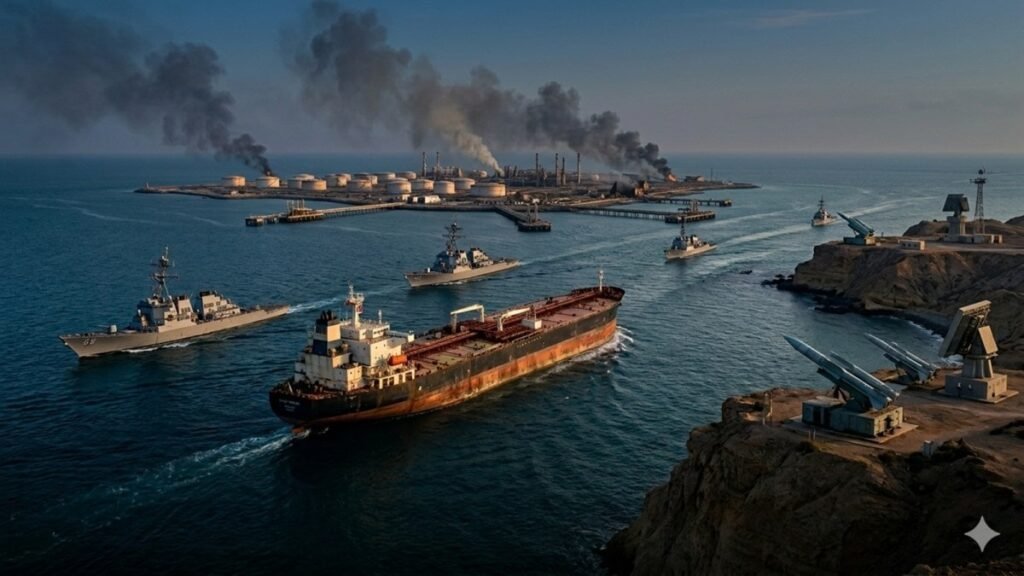
For weeks now, stress between Washington and Tehran have boiled over into direct meddling with maritime traffic. The US imposed a naval blockade targeting ships entering or leaving Iranian ports, starting around mid-April. Iranian forces, on their side, have restricted passage and even seized vessels in response. The result? Normal shipping through one of the world’s most vital oil chokepoints has slowed to a trickle. Tankers have been turned back, insurers are nervous, and thousands of containers meant for Iran are stuck — over 3,000 at Karachi and Port Qasim alone.
That’s where Pakistan stepped in. On April 25, the Ministry of Commerce provided the “Transit of Goods through Territory of Pakistan Order 2026,” officially notifying six particular road corridors. These routes link Pakistan’s key ports to Iranian border points. The paths snake through Balochistan: places like Lyari, Ormara, Pasni, Turbat, Panjgur, Khuzdar, Quetta, and Dalbandin. One of the shortest, Gwadar to Gabd, could cut transit as much as 87% compared to waiting for sea lanes to clear.
Pakistan isn’t exporting its own oil or breaking any naval blockade directly — it’s facilitating transit of third-country goods already sitting on its soil.
Why This Matters Right Now
The Strait of Hormuz isn’t just any waterway. In normal times, it carries about 20% of the world’s traded oil and a big chunk of LNG. When that gets disrupted — whether by mines, seizures, redirected tankers, or naval enforcement — the ripple effects hit fuel prices, supply chains, and economies far beyond the Gulf. We’ve seen shipping traffic drop from over a hundred vessels a day to just a handful.
Pakistan’s move is pragmatic. Karachi port has been handling a lot of transshipment cargo bound for Iran even before this crisis. Letting it rot there doesn’t help anyone — not Pakistani businesses losing revenue on storage and demurrage, not Iranian buyers desperate for supplies, and not the truckers and small businesses along the route who stand to gain from increased movement. By activating these routes, Islamabad is basically saying: if the sea is closed.
The six routes give flexibility. Coastal ones via Gwadar and Pasni suit faster movement for certain goods, while inland paths through Quetta and Taftan connect to broader Iranian road networks. Security is always a concern in Balochistan, with its history of insurgency and smuggling, but both governments seem to have coordinated enough to make this operational. Customs procedures, transit permits, and probably some enhanced checks are part of the new order to keep things above board.
The Bigger scene — Geopolitics and Trade
Pakistan and Iran allocation a long border, historical ties, and mutual interests in regional connectivity. This crisis has given that idea sudden urgency. For Iran, facing pressure from the US blockade and the fallout of earlier conflicts (including the US-Israel exchanges earlier this year), every alternative route counts. Overland trade can’t replace the volume of sea shipping, especially for bulk oil exports, but it can keep critical imports flowing and prevent total economic isolation.
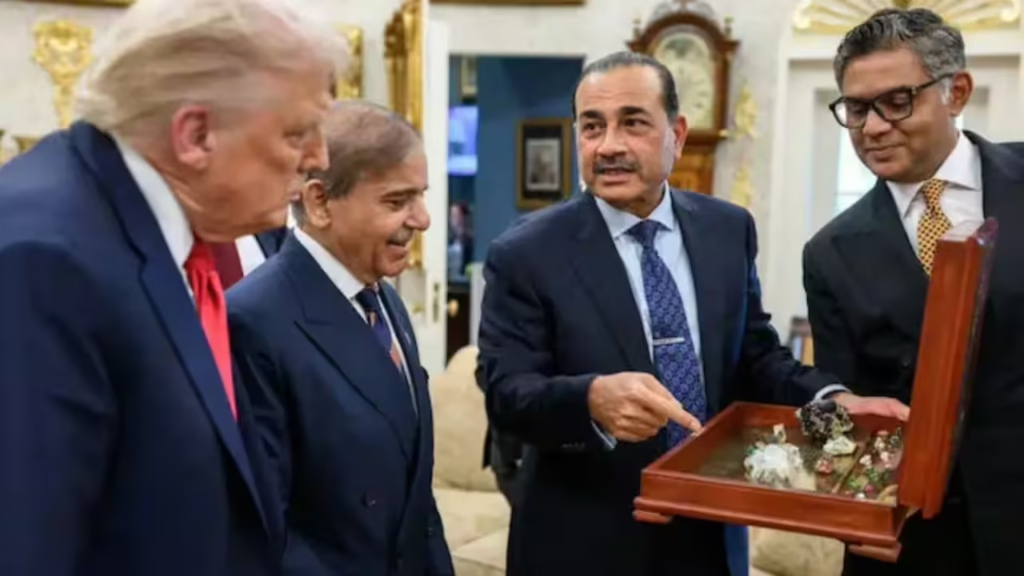
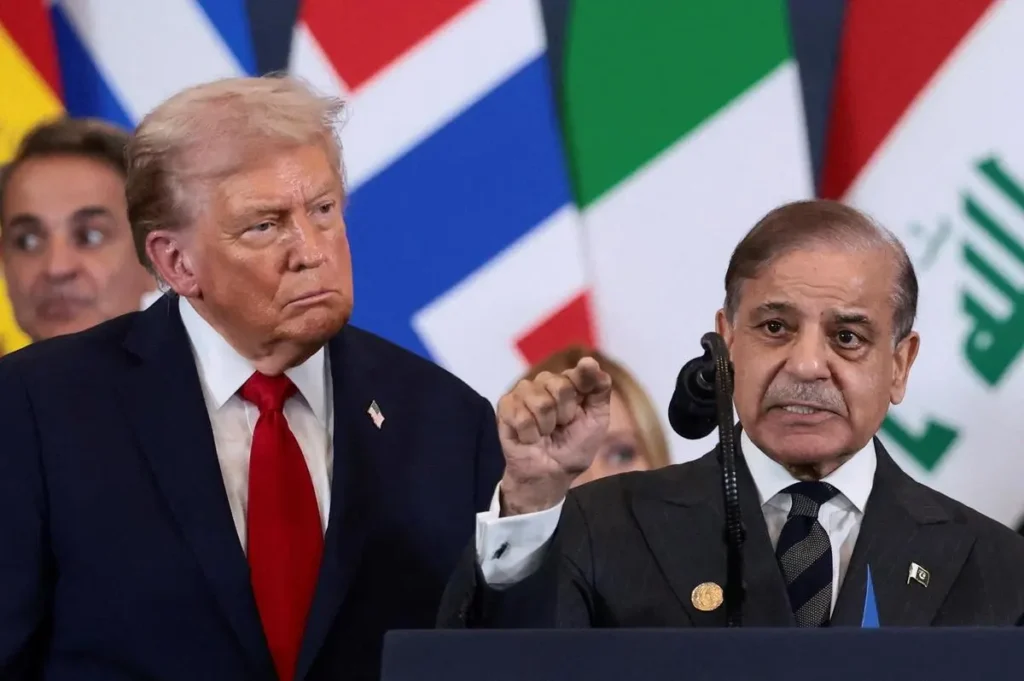
From Pakistan’s perspective, this is also about protecting its own economic interests. Stranded cargo hurts port operations and reputation as a transit hub. Plus, stronger ties with Iran could open doors for future energy deals or transit fees. Some commentators are framing it as Pakistan “thumbing its nose” at Washington or playing a double game, especially with US President Trump pushing hard on the blockade.
India, for its part, is observing closely. New Delhi has its own spike in the Gulf, energy imports, and solicitude about Pakistan-Iran closeness. But that’s another conversation. The immediate story is the trucks starting to roll where ships cannot.
Challenges Ahead
It won’t be smooth sailing — or rather, smooth driving. Road transport is slower and more expensive for large volumes than ships. Infrastructure along some stretches in Balochistan needs work — security convoys might be required, weather can play havoc, and border formalities can cause delays. Then there’s the risk of escalation: if tensions spike further, even land routes could face pressure, though they’re much harder to “blockade” than narrow straits.
For now, though, this gives breathing room. Iranian businesses get access to goods, Pakistani ports clear space, and regional traders find a workaround. It also highlights how interconnected we are — when one artery clogs, neighbors find others.
Pakistan’s decision to activate these six routes shows the value of having options. In an unpredictable world where naval standoffs can freeze vital trade overnight, overland corridors between friendly (or at least pragmatic) neighbors become lifelines. Whether this evolves into something more permanent — a real boost to Pakistan-Iran trade or even broader connectivity involving China and Central Asia — remains to be seen. For today, it’s about moving the cargo that’s already there and keeping supply chains from completely snapping.
People on the ground in Karachi and Quetta are probably relieved to see activity picking up. Truck operators sense opportunity. Iranian importers are no doubt coordinating with their Pakistani counterparts to reroute shipments. Diplomats in Islamabad and Tehran will be managing the optics carefully, while Washington monitors how much this actually undercuts the blockade’s pressure.
At the end of the day, trade finds a way. When the sea lane that carries so much of the world’s energy gets tangled in geopolitics, countries like Pakistan and Iran — sharing a border and practical needs — turn to the roads. It’s a prompt that in tough times, quiet organization decisions can matter as much as loud diplomatic ones.
This development is still fresh, announced just days ago, and the situation in Hormuz remains fluid. No one knows exactly when shipping might normalize — some estimates suggest months to fully clear risks. Until then, expect more trucks crossing the border, more stories from the Balochistan highways, and continued debate about what this means for regional power plays.
In a region often defined by conflict and rivalry, a functioning overland trade route feels almost hopeful — a small, practical bridge when bigger ones are blocked.
Sources:
- Al Jazeera: “Pakistan opens up road trade routes into Iran amid Hormuz blockade” (April 30, 2026)
- India Today: “6 land routes open to Iran: How Pak thumbed its nose at…” (April 28, 2026)
- Dawn, Firstpost, Arab News, NDTV Profit, and Reuters reporting.