
When it comes to big-ticket reforms like women’s reservation. Right now, as of April 2026, the Opposition – especially the INDIA bloc – is gearing up to shoot off a formal letter to Prime Minister Narendra Modi. The demand? Simple and straightforward: implement the women’s reservation law immediately, without tying it to that whole messy delimitation process. They say it’s been two and a half years since Parliament passed the Nari Shakti Vandan Adhiniyam in 2023 with near-unanimous support, and enough is enough – let’s get 33% seats for women in Lok Sabha and state assemblies without waiting for census redraws or seat expansions that could quietly reshape the political map.
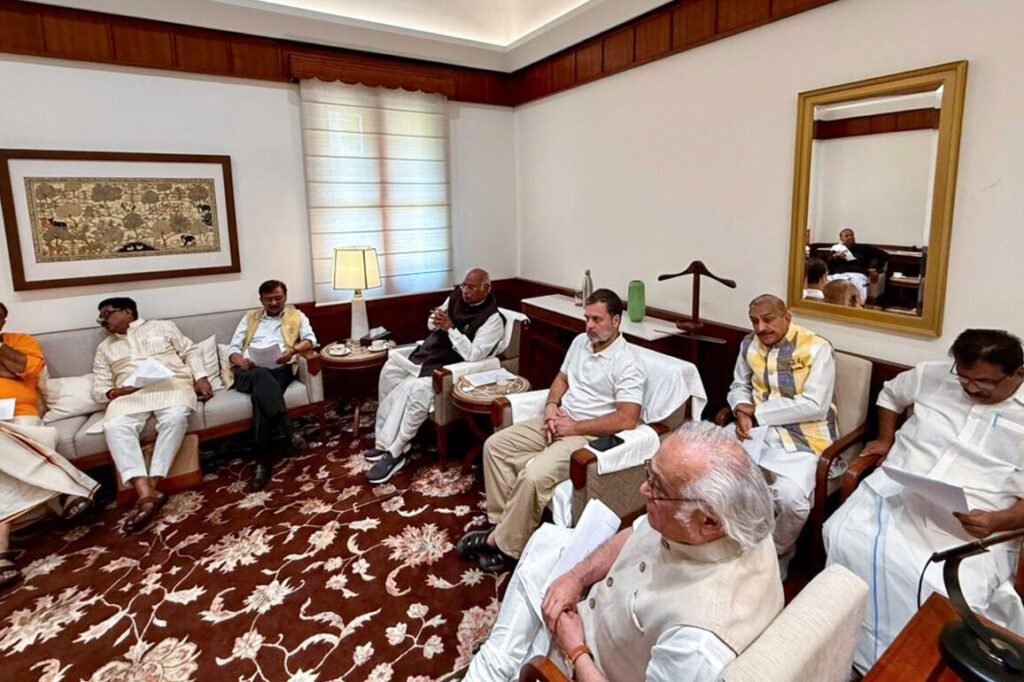
It’s not just talk. Sources close to the alliance say parties are also planning press conferences across the country to hammer home the message: “We back women’s empowerment fully, but the government seems to be using this as a cover for bigger constitutional changes.” And boy, has Telangana Chief Minister A. Revanth Reddy put it bluntly. In a press conference in Delhi on April 18, he didn’t mince words. He accused the BJP of using the women’s reservation bill as a “mask” to push through delimitation, increase Lok Sabha seats, and ultimately pave the way to tamper with the Constitution – even end the hard-won reservations for Dalits and tribals that Dr. B.R. Ambedkar fought for.
Revanth Reddy was crystal clear: “If women’s reservation was the real goal, a simple amendment was all it needed. But they tied it to delimitation and raising the number of seats. This isn’t about sisters and daughters – it’s about changing the political map of the country under its guise.” He even drew a Ramayana parallel, saying it was like using the golden deer to abduct Sita – women’s quota as the shiny pretext for a deeper agenda. The CM insisted Congress and the Opposition are ready to support and pass a clean bill on Monday itself, as long as it sticks to the existing 543 Lok Sabha seats and doesn’t touch SC/ST protections.
The original Women’s Reservation Act (the 106th Constitutional Amendment) sailed through Parliament in September 2023. Everyone clapped, hailed it as historic Nari Shakti. But here’s the catch that was baked in from day one: it would only kick in after the next census and the subsequent delimitation exercise. That freeze on seat readjustment (based on the 1971 census) was meant to hold till 2026, but population shifts have made southern states worry they’ll lose out if seats are redrawn purely on current numbers – more MPs from high-growth northern states, fewer from the south. The government recently notified the 2023 Act as effective from April 16, 2026, but implementation still hinges on that delimitation trigger.
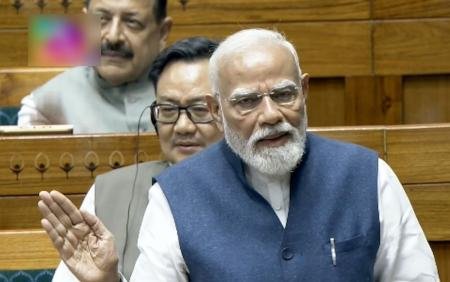
Fast forward to this month. The Modi government called a special Parliament session and brought in not one but three linked bills: a Constitution (131st Amendment) Bill to tweak the women’s quota law and fast-track it using the latest available census data (aiming for rollout by 2029), a fresh Delimitation Bill to set up a commission, and one for Union Territories. The idea, they said, was to make women’s reservation real sooner rather than later. PM Modi even wrote to Opposition leaders seeking support, framing it as fulfilling the “wish of every sister and daughter.” But the Opposition smelled something else. They argued the bills weren’t just about women – they were bundled with seat expansion (potentially up to 850 in Lok Sabha) and delimitation that could tilt power northward, possibly weakening federal balance and opening doors to bigger constitutional tweaks.
And then, on April 17, it happened: the Constitution Amendment Bill fell short in the Lok Sabha. It needed a two-thirds majority (around 352 votes with 528 members present), but got only 298 in favour against 230. United Opposition voted it down. The government had to withdraw the allied bills. For the BJP, it was a rare parliamentary setback. For the Opposition, it was proof their stand was resonating – they support women getting their due share but won’t let it become a Trojan horse for rewriting the political script.
Revanth Reddy doubled down the next day, calling the defeat not a BJP loss but a public rejection of their “hidden constitutional agenda.” He pointed out that the BJP had gone into the 2024 elections promising 400+ seats precisely to get that two-thirds majority needed for amendments. “They wanted to dismantle reservations for Dalits and tribals,” he alleged. “Modi ji’s ego lost yesterday.” Other Opposition voices echoed similar fears: without clear details on how delimitation would work – population-based or with safeguards for southern states? – rushing it under the women’s quota banner feels like a power grab disguised as progress.
Now, don’t get me wrong – the government side has its arguments too. Home Minister Amit Shah and others have said the Opposition is the one blocking women’s empowerment, that they’ve delayed it for decades, and that linking it to delimitation ensures fair representation based on today’s India, not frozen 1971 numbers. They insist the quota for women will rotate and include sub-quotas where possible, but the core is empowerment without further delay. Yet the Opposition counters: why not implement the 33% in the current house strength first? Why bundle everything? Leaders like Congress president Mallikarjun Kharge have noted the lack of consultations and specifics on delimitation methodology.31
This isn’t just Delhi drama. It touches deep fault lines – North vs South, caste vs gender justice, federalism vs central push. Southern Chief Ministers and regional parties worry delimitation could shrink their voice in Parliament even as they lead in development metrics like population control and education. The Opposition’s letter to PM Modi (expected soon) will likely stress unity on women’s reservation but demand it be delinked entirely. They want press meets to tell the public: “We’re not against Nari Shakti; we’re against using it to change the Constitution quietly.
What happens next? Parliament’s still in session, and the numbers game is tight. If the government brings a stripped-down women’s bill without delimitation riders, it could pass with broad support – as Revanth Reddy offered. But if they stick to the full package, expect more fireworks. Critics say this episode exposes how even progressive ideas get tangled in electoral math and long-term power plays. Supporters of the government call it pragmatic governance to reflect ground realities.
At the end of the day, ordinary folks – women in villages, urban professionals, Dalit and tribal communities – are watching. Everyone agrees women deserve more seats at the table. The debate is over the “how” and the “when,” and whether trust exists to do it without side agendas. As Revanth Reddy put it, if it’s truly about empowerment, pass the simple bill tomorrow. No masks, no delays. India’s daughters have waited long enough.
Sources:
• The Hindu (multiple reports on Opposition letter and Revanth Reddy statements)
• Outlook India on Revanth Reddy’s press conference
• PTI and Deccan Chronicle for direct quotes
• Indian Express and Moneycontrol for background on delimitation concerns
• Official notifications and Parliament proceedings as referenced in recent coverage.