
The one between Iran and Oman where almost one-fifth of the world’s oil quietly passes every single day? Well, it almost got turned into a toll road, but Oman just said a very clear “no.
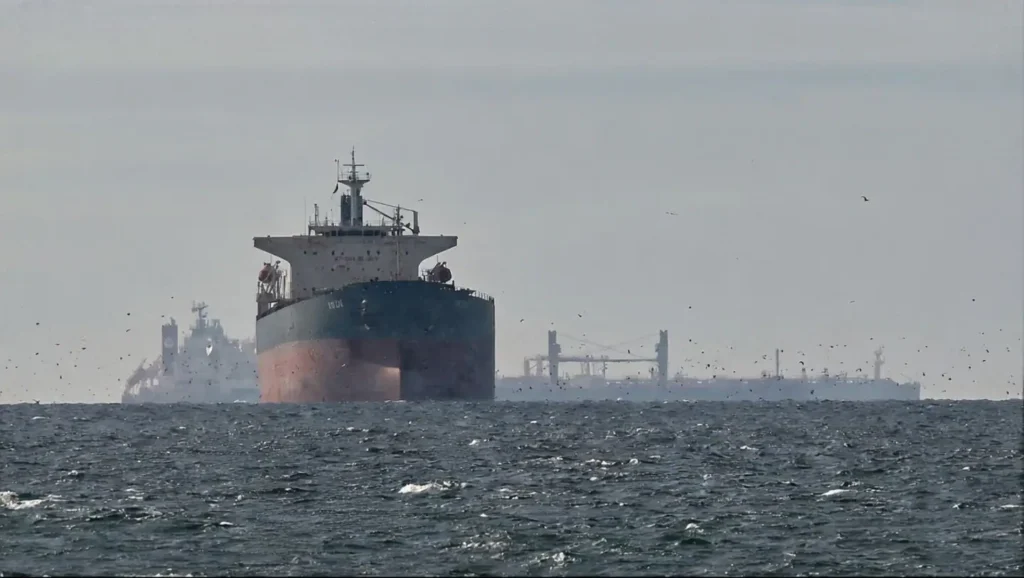
After this fresh two-week ceasefire between Iran and the US that Trump talked about, Iran put forward some conditions. One of them was that both Iran and Oman should be allowed to charge ships a fee for crossing the strait. They thought it could bring in good money — maybe a million dollars or more for every big tanker — to help rebuild after all the recent trouble. Sounds practical on paper, right? But
Oman didn’t even pause. They pushed back straight away.
Oman’s Transport Minister, Said bin Hamoud bin Saeed Al Maawali, spoke in their Shura Council and said it plain and simple: “We have signed all maritime transport agreements that say no fees on passage through the Strait of Hormuz.” He reminded everyone that this isn’t some man-made canal that someone built and can now charge for. It’s a natural waterway. The rules all the countries agreed to long ago don’t allow anyone to suddenly start putting up tolls. Oman has these agreements and they’re standing by them. No fees. Full stop. Oman has always been that Silent, appreciable neighbour in the Gulf — the one who talks to Iran, talks to Saudi, talks to the West, and attempts to keep things from boiling over. This feels exactly like them.
Now think about why this matters to you and me, sitting here in India or wherever you are. If those tolls had started, every shipping company would simply pass the extra cost to us. Petrol prices could jump again. Everything we buy — from groceries to clothes to phone parts — would slowly get more expensive because oil and trade flow through that strait. India buys a huge amount of oil from that region. So when Oman said no, it wasn’t just diplomacy — it was protecting everyday stability for normal people like us.
Of course, Everybody can understand where Iran is coming from. They’ve been through a lot lately. Wars, sanctions, damage — they need money to fix things and get back on their feet. But even then, turning one of the world’s most important sea routes into a pay-per-use lane isn’t the way. Oman’s quick answer shows that even your neighbour won’t support something that could disturb the whole world’s energy supply.
The minister’s words really stayed with me. He said the strait is a “natural passage not created by human intervention.” That line is beautiful because it cuts through all the politics and brings us back to simple facts and long-standing rules. It’s not about today’s needs. It’s about what’s fair and practical for everyone who uses that water.
This news came out today and spread fast — Al Jazeera, Indian channels, everyone picked it up. There’s still some talk floating around about permits and security arrangements, and even Trump mentioned something about a possible joint setup. But right now, Oman’s message is loud and clear: they’re not agreeing to any tolls.
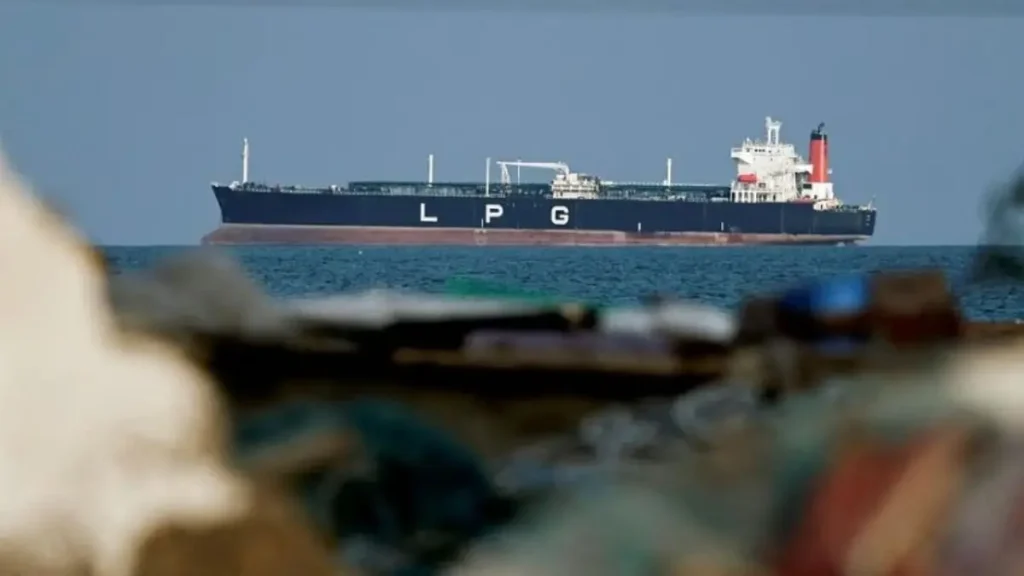
At the end of the day, this feels like good, mature handling of a tricky situation. Oman is reminding all of us that some things are bigger than any one country’s immediate problems. The world needs that strait to stay open, free, and predictable — the way it has been for decades. Ships conveying oil, food, medicine, and all the things that keep our lives running should not have to pay extra just to pass through.
It’s funny how these far-away sea stories actually touch our daily lives. The fuel in your scooter, the price of vegetables, the lights in your house — so much of it is quietly connected to that little strait. That’s why I’m glad Oman spoke up. It gives a little breathing room, a little hope that things won’t suddenly get more expensive or uncertain. The Hormuz Strait remains free for all who need it. No toll booths, no extra bills — just smooth sailing, like it should be.
Sources:
- NDTV
- India Today
- Business Standard
- Firstpost
- Al Jazeera
- News18
- Reuters reports