
Yesterday, on July 26, 2026, Prime Minister Narendra Modi came out with a video statement and announced a high-powered task force to fix India’s examination system. And the man he’s put in charge? Infosys co-founder Nandan Nilekani. Yeah, the same guy who helped build Aadhaar and has been deep into using technology for large-scale public systems.
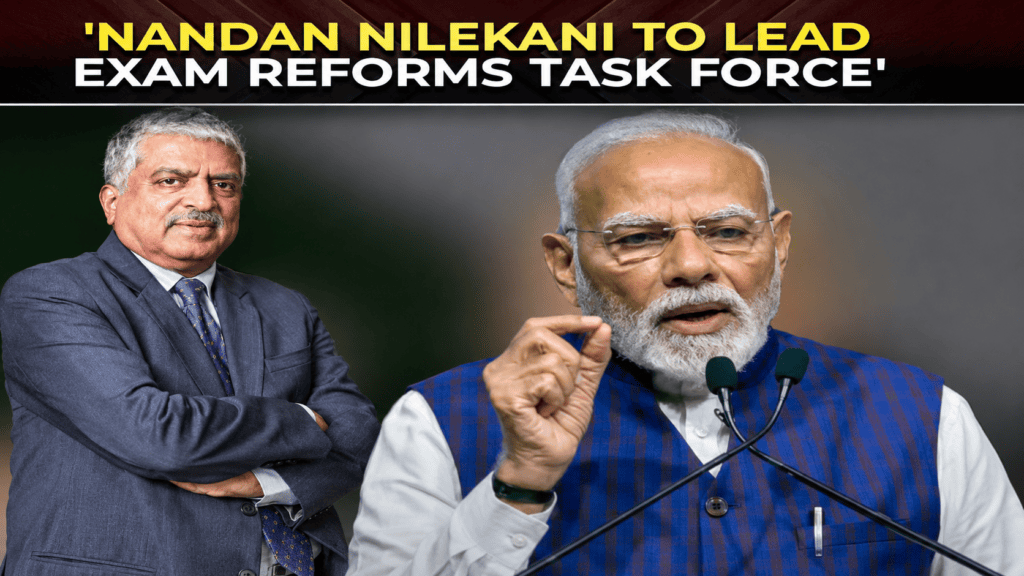
Modi didn’t sugar-coat it. He said the government has already been acting against people who messed with students’ futures — some of them are in jail, fast-track courts are working, and tomorrow in Parliament they’re pushing for a tougher new law with stricter provisions against paper leaks. But he made it clear that punishment alone isn’t enough. “We must think for the future,” he said. The exam system needs to be reliable, transparent, and packed with the maximum use of technology. That’s where this task force comes in.
The group will look into structural reforms and especially how technology can make the whole process more secure. Their report is supposed to guide steps to ensure the upcoming exams actually feel trustworthy again. It’s focused a lot on the National Testing Agency (NTA) side of things, given all the messes we’ve seen with papers leaking and students protesting.
Besides Nilekani, the members are a solid mix of people who know their stuff. There’s former ISRO chairman S. Somanath, former Intelligence Bureau director Tapan Deka, IIT Madras director V. Kamakoti, former education secretary Anita Karwal, and logistics expert Amrit Lal Meena. So you’ve got space tech, security, academics, education administration, and logistics all at the table. Makes sense when you’re talking about protecting exam papers, moving materials around the country, and using digital systems without them getting hacked or leaked.
This didn’t come out of nowhere. Just a day earlier, Education Minister Dharmendra Pradhan resigned after protests over exam paper leaks, including the big ones around NEET and other national tests. There was this satirical group, Cockroach Janta Party, camping out at Jantar Mantar and putting real pressure. Once Pradhan stepped down, they called off the protest. Now Pralhad Joshi is the new Education Minister, and this task force is clearly meant to show the government is serious about fixing the root problems instead of just firefighting every time a paper leaks.
If you’ve followed these issues, you know how bad it’s been. Students prepare for years, families sacrifice, and then a leaked paper turns the whole thing into a nightmare. Trust in the system takes a massive hit. Modi’s announcement tries to address that head-on by bringing in Nilekani, who’s got a track record of building systems that scale — Aadhaar being the biggest example — and who understands both technology and how government machinery works. He’s also been involved with education initiatives through EkStep Foundation, focusing on literacy and digital platforms for kids.
The task force is expected to recommend ways to make the process more technology-driven: better data security, digital monitoring, maybe stronger verification systems, structural changes in how papers are set, printed, transported, and conducted. Logistics expert Meena’s inclusion suggests they’ll look hard at the physical movement of exam materials, which has been a weak point in many leak cases. Security experience from Tapan Deka should help plug holes, while Somanath and Kamakoti bring the high-tech and academic perspective.
Of course, forming a committee is one thing. Delivering real change is another. Students and parents have heard promises before. The real test will be how quickly this group works, how practical their recommendations are, and whether the government actually implements them before the next big round of exams. Modi said the report will be used “at the earliest” to lock in reliability for upcoming tests, so the pressure is on for speed as well as quality.
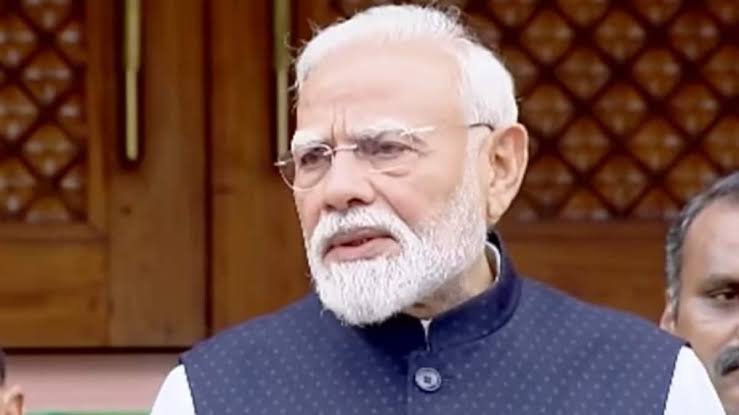
There’s also the new law coming up in Parliament. Combining stricter legal deterrence with systemic tech and structural fixes could make a difference if both move together. Right now, a lot of people are watching to see if this is genuine reform or just damage control after the protests and the minister’s exit.
Nilekani’s selection has drawn attention because he’s not a career bureaucrat. He’s a tech entrepreneur with public service experience, which some see as a plus for thinking outside the usual boxes. Others will wait to see the actual recommendations before celebrating. Either way, the conversation around exam integrity has shifted from just blaming individuals to talking about fixing the entire system.
For millions of students who sit these exams every year, this matters a lot. A reliable, transparent process isn’t some abstract policy goal — it decides careers, college seats, and futures. If the task force can deliver practical, tech-backed changes that reduce leaks and restore confidence, it could be one of the more meaningful education moves in recent years. If it becomes another report that gathers dust, the frustration will only grow.
That’s where things stand as of today. The announcement is out, the team is named, and the clock is ticking on producing a report that can actually make the next exams feel fairer and safer. We’ll have to wait and see what they come up with and how fast the government moves on it.
Sources:
NDTV, The Hindu, Economic Times, India Today, News18, Rediff, and official statements shared by PM Narendra Modi on X and Instagram, July 26, 2026.