
The man from Ladakh, the one who’s spent his life protecting glaciers, teaching kids, and speaking up for his people’s future, is out there at Jantar Mantar in Delhi, on day after day of an indefinite hunger strike. Sonam Wangchuk right now. And the Delhi High Court just stepped in with words that cut straight to the heart: “Life is precious.” They told the Centre to get government doctors checking on him regularly, to do whatever it takes to keep him safe. No politics first — just a basic truth that every single life deserves care.
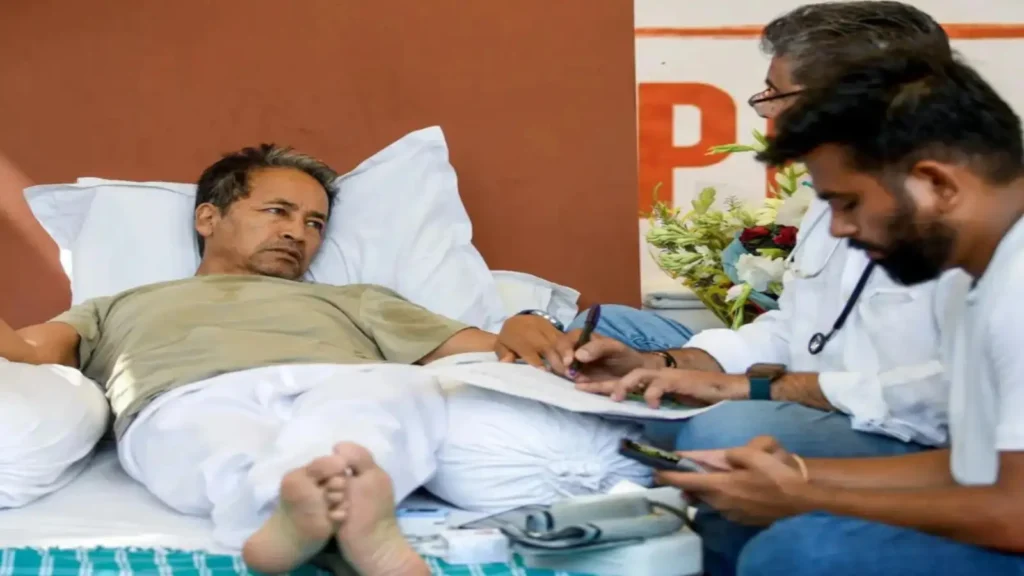
He’s the guy who built ice stupas to save water in a changing climate, who fought for Ladakh’s unique culture and ecology on the sensitive border. He’s been through protests before, even detention under tough laws last year. Released earlier in 2026, he came back because promises on statehood, Sixth Schedule protections, and real dialogue with the government felt stuck. Now he’s joined the Cockroach Janta Party protest that started in June over those awful exam leaks — NEET and others that left lakhs of students and families devastated. They want accountability, fixes, and the Education Minister’s resignation. Wangchuk’s fast began around June 28, and by mid-July it was hitting 19 days. That’s not easy on anyone.
From what folks on the ground and doctors are sharing, it’s been hard. He’s lost over 7 to 8.5 kilos, down to around 59 kg. Blood pressure dipping, glucose low, weakness, muscle loss, tiredness — the kind of slow drain you expect when the body goes without food this long. But in his videos, he sounds steady, clear. He says the hunger has stabilized somewhat after the first rough days, though walking and talking take more effort. He told supporters he’s not backing down until there’s real response from the government. “I may die, but won’t step back,” he said earlier. That kind of quiet determination stays with you. Young students fasting too have seen hospitalizations. One AISA activist, others struggling. It tugs at you — these are people putting everything on the line because they believe the system failed the youth.
A PIL brought it to court. The plea painted a worrying picture and asked for hospital care, nutrients if needed, urgent help. The judges didn’t hesitate. They said every citizen’s life is valuable and authorities must do all they can. During the hearing, the government side noted check-ups were happening daily, but the court wanted proper government doctors on it regularly, timely treatment, no gaps. It felt like a human reminder amid all the back and forth: don’t let this slide.
When Wangchuk was detained in 2025 after Ladakh protests turned violent, the Supreme Court heard about his health — stomach issues, age, multiple exams. The government said he was fit overall, getting AIIMS care, and couldn’t be released just on medical grounds because the reasons for detention stood. Courts urged review. Now here we are again, but this time he’s free and fasting voluntarily for students and Ladakh. The court’s message feels bigger than one case. It’s about remembering humanity first.
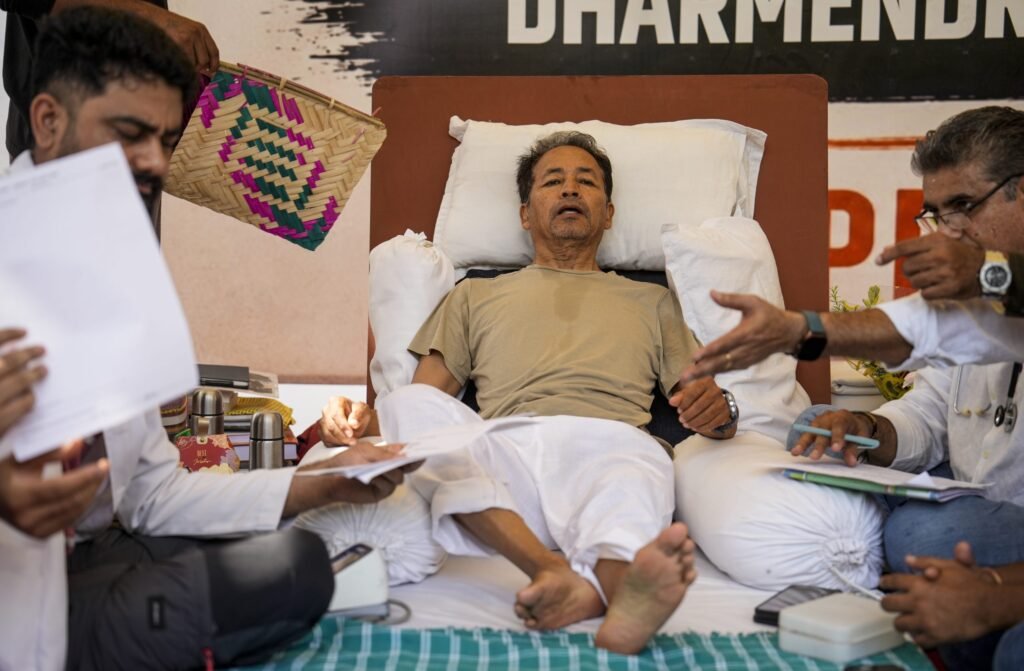
What moves me is how Wangchuk keeps it grounded. In one video he said don’t make me a hero — be the hero in your own life, do your part as a citizen. That’s powerful. No drama, just ordinary people stepping up. Supporters from different parties, students, common folks have shown solidarity. There’s talk of a march to Parliament soon. The protest itself is over 25 days old now. Rain, heat, fatigue — they’re still there because the pain of broken exams and ignored regional voices runs deep.
At the same time, governance is tough. Protests need handling, security matters, policies take time. But when someone’s health is fading in front of everyone, it forces a pause. The court did right by focusing on care. Now the real hope is dialogue — honest talks so no one has to reach this point again. Students deserve exams they can trust. Ladakh deserves its protections for culture, environment, future. Wangchuk and the others deserve their voices heard without losing their health.
It’s about us — how we treat persistence, how we value life when it’s tested. Life really is precious. Wangchuk knows the risks. The court reminded the system. Maybe this becomes the moment where listening wins over silence. We’ve seen what hunger strikes can do in our history — they move mountains, but at a cost. Let’s hope care and conversation come faster this time. Wangchuk’s fight reminds us we’re all connected. The rivers from Ladakh glaciers touch us all. The dreams of students are our collective future.
Sources:
News Of Kashmir, Deccan Herald, The Hindu, Hindustan Times, Rediff, PTI reports from July 2026, and earlier Supreme Court coverage.