
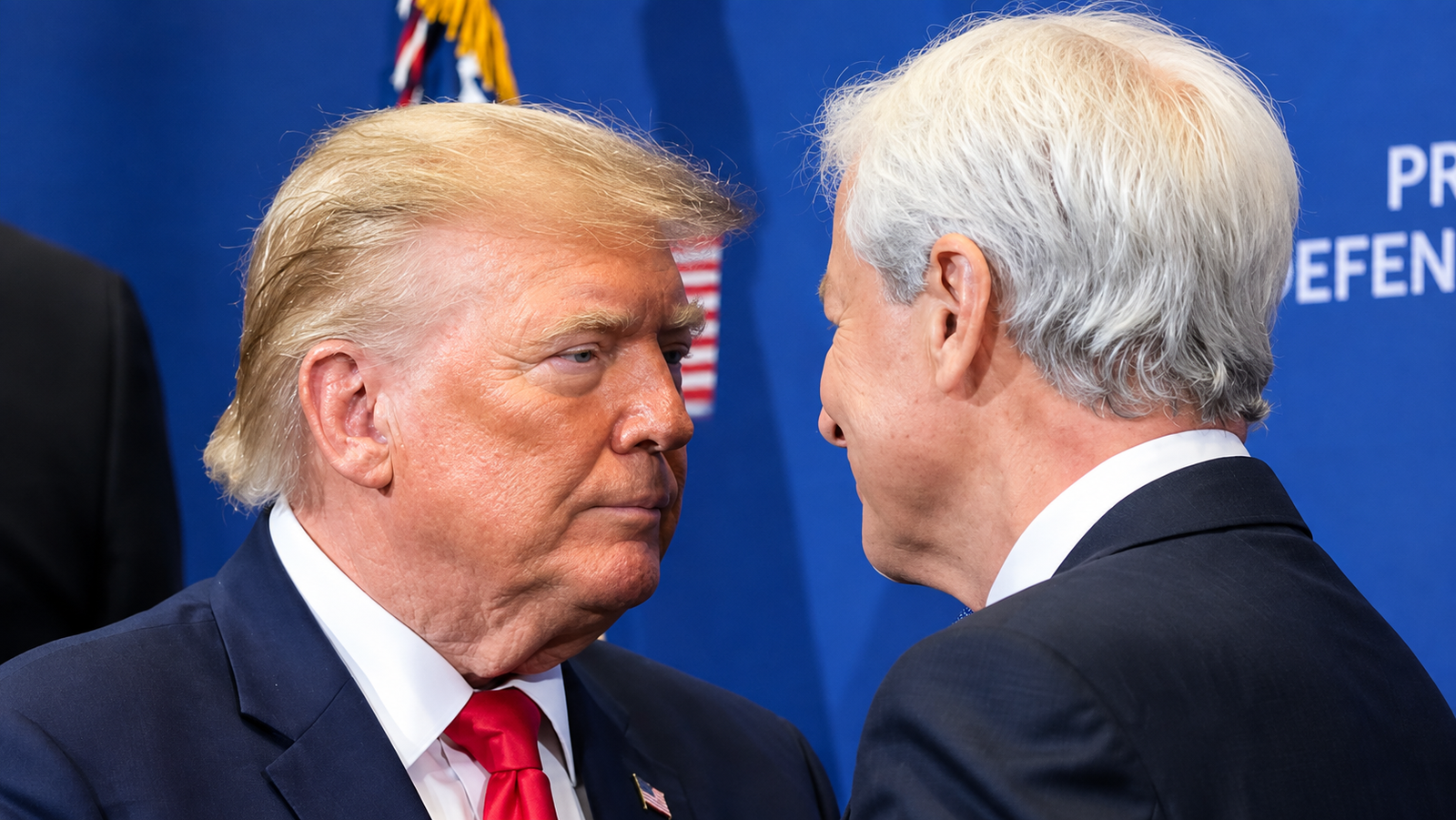
Jamie Dimon, the long-time chairman and CEO of JPMorgan Chase, spoke on the sidelines of his bank’s India Investor Conference.
Dimon didn’t mince words. Looking straight at the idea of America slapping heavy tariffs on countries that still buy Russian crude, he said something that landed with quiet force: “I think hopefully America will sit down and understand all those issues and, you know, not end up punishing India and the world oil markets while doing what we need to do to combat Russia.”
It’s a simple plea, really. Don’t swing the hammer so hard that you hit the people standing next to the problem.
The timing matters. Just days earlier, the US Congress cleared the Lindsey O. Graham Sanctioning Russia and Iran Act of 2026. The law hands the president authority to impose tariffs of up to 100 percent on nations that buy significant amounts of Russian energy. India sits right in the middle of that frame. In July alone, more than half of India’s crude imports—roughly 1.7 million barrels a day—came from Russia. That’s not a side note. That’s a big piece of how the country keeps its refineries running and its energy costs in check.
Dimon gets why Washington is frustrated. Russia’s war in Ukraine has dragged on longer and uglier than almost anyone hoped. He made it clear he believes America should be doing more to help Ukraine, and that there are plenty of ways to keep pressure on Moscow. But tariffs on the oil itself? He’s not convinced. “I’m not sure I think we should be putting any kind of tariffs on the oil,” he said. “We should have a conversation with you about what you do and how you do it.”
Here’s the practical bit that often gets lost in the bigger speeches. Indian refineries aren’t generic machines that can just switch barrels overnight. A lot of the Russian crude they’ve been taking is the grade those plants are set up to process. If that supply disappears, India has to scramble for something else. And that something else may not run as cleanly or as efficiently. “If they don’t buy it here, they have to buy it elsewhere. It might not be the right kind of oil for those refineries,” Dimon pointed out. It’s not special pleading. It’s just how the hardware works.
There’s a market angle too. Yank 1.7 million barrels a day out of the system and ask other producers to fill the gap, and prices don’t stay polite. Some analysis floating around suggests you could see oil push past $90 a barrel without much trouble. That kind of jump doesn’t just hit Indian consumers. It ripples through every country that buys fuel, including the ones writing the sanctions.
Dimon has been around long enough to know that good intentions can still produce messy side effects. He supports tougher measures against Russia. He wants Ukraine to get more help. He just wants the people designing those measures to sit down first and look at the full picture—refinery configurations, global supply balances, the relationship with a country that many in America still call a natural partner.
And that relationship keeps coming up. Dimon has been saying for a while that India and the United States should finish the trade deal they’ve been circling. He calls the two countries natural partners. Strong business links already exist. Stability in the rules would make both sides stronger. Punishing India over Russian oil purchases risks souring that mood at a moment when both governments could use clear-headed cooperation.
None of this means Dimon is soft on Russia. He’s said the war could easily stretch another five years if things keep going the way they are. Prolonged conflicts tend to get uglier and pull more people in. He wants real pressure applied. He just doesn’t want the pressure to land on the wrong shoulders.
For ordinary people watching the price of diesel or petrol, the stakes feel closer to home. Energy markets are already jumpy. Add a sudden scramble for alternative crude and the numbers at the pump can climb fast. India’s economy has been one of the brighter stories in recent years. Dimon himself has talked about it potentially tripling in size over the next decade. That’s the kind of growth that benefits a lot of people far beyond India’s borders. Making it harder for the country to secure the right kind of oil doesn’t help anyone reach that future faster.
So the message from Mumbai is straightforward. Talk first. Understand the refineries. Weigh the market effects. Keep supporting Ukraine in ways that actually work. And try not to punish a partner while you’re aiming at the problem. It’s the sort of advice that sounds almost too sensible for the usual Washington conversation. Coming from one of the more experienced voices in global finance, it might just get a proper hearing.
Sources:
CNBC-TV18 interview with Jamie Dimon, Mumbai, September 22, 2026
Bloomberg report on Dimon’s comments regarding India and Russian oil
India Today coverage of the JPMorgan India Investor Conference remarks
Business Today and Moneycontrol reporting on the Lindsey O. Graham Sanctioning Russia and Iran Act of 2026 and India’s import data
@Rohit Manral