
The news coming out of Iran these days feels heavier every hour. They just lost Ali Larijani – the man who was basically running the Supreme National Security Council – in an Israeli airstrike late Monday. His son, some close assistants, and guards were killed too. This isn’t some mid-level official; Larijani was a giant, former parliament speaker, long-time insider, and in the last couple of weeks one of the main voices shaping how Iran fights this war. Losing him stings, especially right after everything that’s already happened with Khamenei gone since late February.
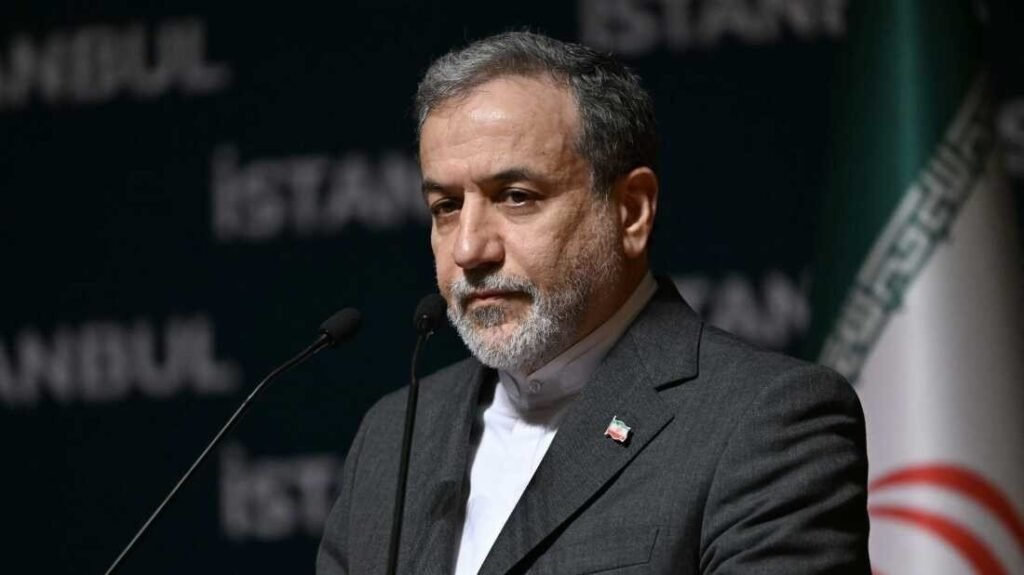
Foreign Minister Abbas Araghchi went on Al Jazeera and basically looked straight into the camera and said: calm down, this changes nothing fundamental.
“The presence or absence of a single individual does not affect this structure,” he told them. He even brought up Khamenei’s own assassination to make the point. “When the Supreme Leader was taken out, the system didn’t collapse. Succession happened fast, institutions kept functioning, the country kept moving.”
Araghchi’s tone was almost casual about it – like, yeah, it hurts, but we’re not built around one man. We’ve got layers, depth, redundancy. Kill whoever you want at the top; tomorrow someone else is in the chair and the machine keeps running.
He even added, half-joking, half-serious: if they get me tomorrow, someone else steps up five minutes later. That’s how solid we are.
At the same time, though, nobody’s pretending they’re not furious. The IRGC came out swinging – literally. Within hours they launched a fresh wave of missiles: Khorramshahr, Kheibar Shekan, the works. They hit targets in central Israel and made sure everyone knew this was straight-up revenge for Larijani and the others they’re calling martyrs. Their statement didn’t grind words: “This is only the beginning.” You can feel the anger boiling over from Qom to Tehran.
Huge crowds turned out for the burials in the capital. Larijani and the Basij commander Gholamreza Soleimani, who was killed in the same round of strikes, got full state honors. People were chanting, crying, waving flags – the whole scene you see when the regime wants to show unity and resolve. Hard not to notice how the images are being used to rally support at home while the missiles are answering abroad.
This war is dragging into week three now and it’s brutal on both sides. Israel and the US keep going after command nodes, trying to blind and paralyze Iran’s decision-making. Tehran keeps answering with barrages, promising worse if the hits keep coming. Arab countries in the Gulf are quietly helping intercept whatever flies their way because nobody wants the oil fields turned into targets next.
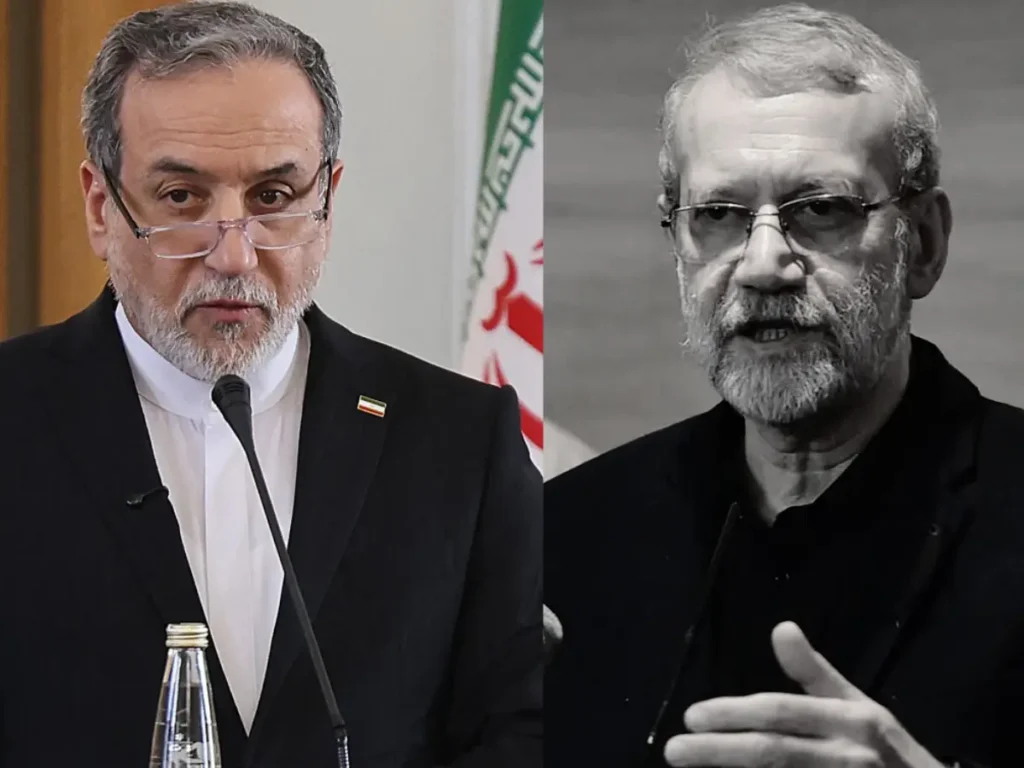
For regular citizen in Iran it’s a mix of fear, grief, and that stubborn pride that comes from being told “we’ve survived worse.” For the leadership it’s about projecting exactly what Araghchi said: we’re wounded, we’re pissed, but we’re not falling apart.
Whether this spirals into something even uglier or finds some off-ramp nobody knows yet. But right now the message from Tehran is unmistakable – they’re hurting, they want payback, and they’re convinced the system can take the punches and keep standing.
Sources used for this piece:
- Al Jazeera English
- Tehran Times & IRNA
- Reuters & AP
- Various regional wires tracking the missile exchanged