
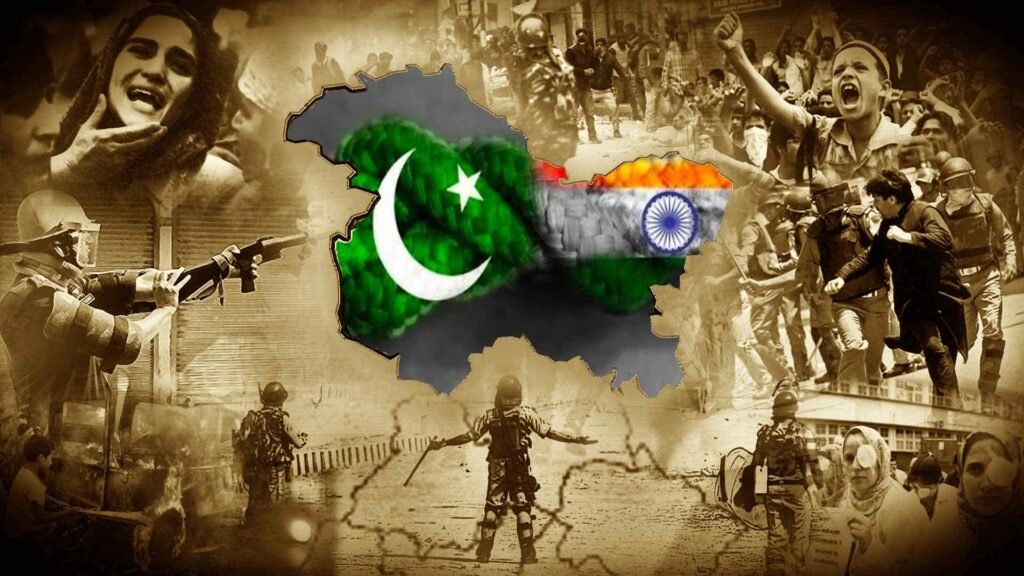
Man, things got intense at the United Nations Security Council yesterday. During this open debate on “Leadership for Peace,” Pakistan’s ambassador decided to bring up Jammu and Kashmir again, calling it some unresolved issue that needs to be sorted based on old UN resolutions and what the Kashmiri people want.

India’s rep, Ambassador Harish Parvathaneni, wasn’t letting that slide.
He didn’t mince words. Calling Pakistan the “global epicentre of terror,” he spoke about the countless Indian families who have lost loved ones over the years to attacks traced back across the border. The anger and heartbreak felt sharper after the Pahalgam attack in April, where 26 innocent tourists were shot dead simply because of who they were. For many, it wasn’t just another headline—it was a brutal reminder of a violence that has gone on for far too long.Their guy was up there talking big about leadership and respecting people’s will, but India pointed out the irony: You’ve got a former prime minister (Imran Khan) locked up for years, his party—the one that actually won seats—banned, and then this new 27th amendment that basically gives the army chief, General Asim Munir, lifetime immunity and tons of power.
Oh, and the Indus Waters Treaty? India signed it in good faith 65 years ago, but Pakistan’s wrecked the trust with wars and nonstop terrorism support. So now, India’s holding it on pause until Pakistan genuinely stops backing cross-border terror—for real this time.
He ended with a straight warning: India won’t hold back when it comes to fighting terrorism backed by Pakistan. No soft language, no room for doubt.
But Parvathaneni didn’t stop here. He turned the spotlight on Pakistan’s own backyard, mocking what he called its “unique way” of respecting the people’s will. Picture this: jailing a former prime minister (that’s Imran Khan, who’s been behind bars for years now), banning the party that actually won elections, and then pulling off what amounts to a constitutional twist – the 27th amendment that hands lifetime immunity to the Chief of Defence Forces, General Asim Munir. It’s like the military calling the shots while pretending everything’s democratic.
The whole exchange made it clear just how deep the hostility runs between the two countries. Pakistan keeps raising Kashmir on global stages, while India maintains it’s a settled issue—an internal matter, or at most something to be handled directly between the two sides.
With Pakistan on the Council, clashes were bound to happen. India made its stance clear.
Sources: Reports from The Hindu, Business Standard, CNBC TV18, Times of India, and India TV News