
It was one of those moments that feels like a snapshot of where India is right now – frustrated young people, viral memes, courtroom drama, and a Chief Justice trying to keep things from blowing up into something bigger. The headline says it all: Chief Justice Surya Kant basically told a lawyer pleading against this whole “Cockroach Janta Party” frenzy, “Don’t take it so sentimentally.
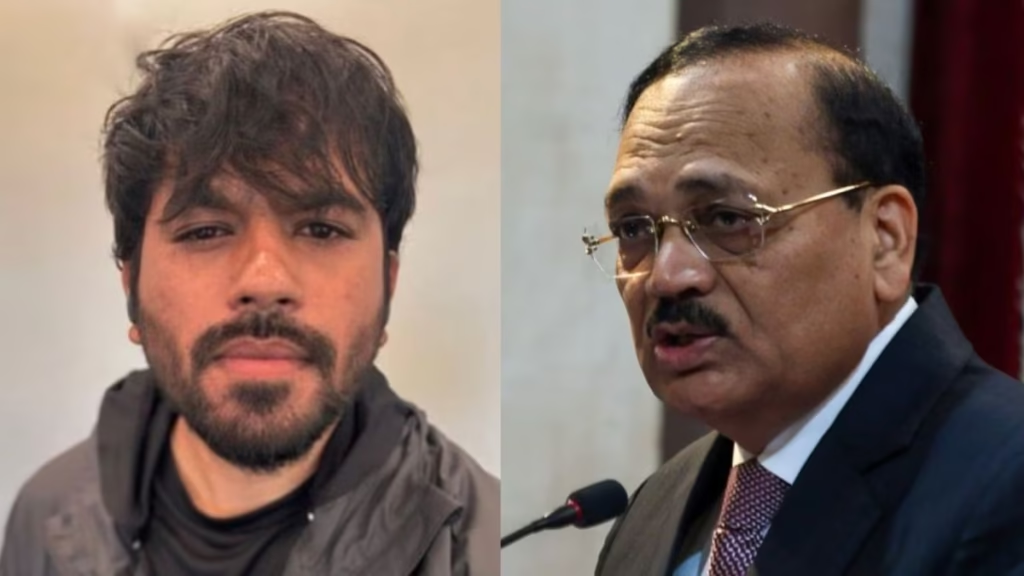
Back on May 15, during a hearing about lawyers misusing courts, senior designations, and all that inside stuff of the legal world, the CJI made some strong remarks. He talked about “parasites” attacking the system and compared certain unemployed youngsters who turn to social media, RTI activism, or online noise to cockroaches – the kind that keep coming back no matter what.
He later clarified that he wasn’t painting all of India’s youth with that brush. He said he was talking about people entering professions with fake degrees and those who just harass the system instead of contributing. But by then, the clip was everywhere. Social media did what it does best – took it, twisted it, memed it, and turned it into a full-blown movement.
Enter the Cockroach Janta Party, or CJP. Started as a joke by Abhijeet Dipke, a guy studying in Boston with past ties to Aam Aadmi Party circles. Launched around May 16, it quickly became this massive satirical pushback. They flipped the insult into their identity. “Voice of the Lazy & Unemployed,” their slogan goes. Millions of followers in days – reports say over 20 million across platforms. Memes, reels, mock campaigns roasting unemployment, exam paper leaks like NEET, and the feeling that the system has left so many behind.
It’s clever, edgy, and hits a nerve. India’s youth unemployment is real – around 8% officially, but everyone knows the ground reality is tougher for millions of graduates who feel stuck. Add in the anger over jobs, education scams, and the sense that speaking up gets you labeled – and boom, this parody party caught fire. It’s not a real political outfit with candidates; it’s protest through satire. They even have a website (which some claim got blocked), and accounts that got hacked and restored amid the chaos.
On May 25, an advocate stood up in the Supreme Court mentioning a petition for urgent hearing. The plea wasn’t just about feelings being hurt. It raised serious points – misuse of courtroom recordings, how clips are taken out of context for social media content, algorithmic distortion, and what they called commercial exploitation of judicial proceedings. They wanted probes into these “Cockroach Janta Party” activities and related narratives.
Chief Justice Surya Kant wasn’t having the urgency. “Don’t take it so sentimentally,” he said. He told the lawyer there was no great emergency and that the court would take it up in due course. Simple, direct, and a bit dismissive in that judicial way. The bench, including Justice Joymalya Bagchi, moved on.
On one hand, the judiciary has to protect its dignity. Court proceedings aren’t entertainment for viral clips. Lawyers and judges speak in specific contexts – metaphors, frustration with frivolous cases, procedural abuse. When those words fly out and get edited into soundbites, it can undermine public trust in institutions. The PILs filed talk about how this trend turns serious legal discussions into meme fodder, sometimes with distorted meanings. That’s a fair worry in our hyper-connected world.
But on the other hand, calling out the reaction as “sentimental” feels tone-deaf to a lot of people. This isn’t just some thin-skinned response. It’s coming from deep frustration. Young Indians – many in their 20s, educated, ambitious – are staring at a job market that doesn’t match the promises. Coaching scams, paper leaks, delayed exams, cronyism in jobs… it’s exhausting. When a top judge uses strong language like “cockroaches,” even if metaphorical and clarified later, it lands like salt on the wound. The CJP isn’t just trolling; it’s channeling real pain through humor because direct protest often gets shut down or ignored.
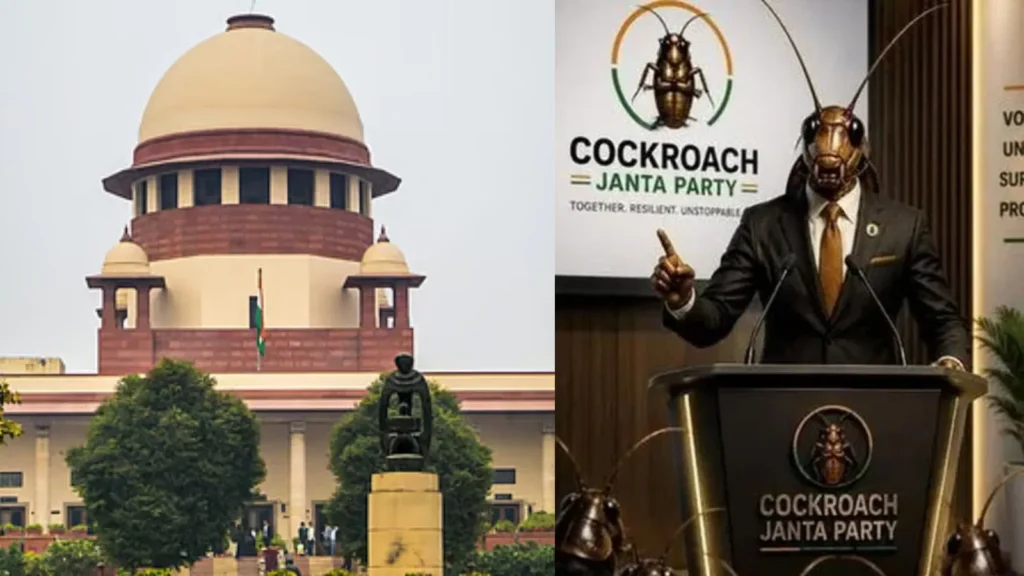
Some are hilarious – cockroaches in suits, marching with flags, slogans like “We multiply, we survive.” Others are sharper, pointing at inequality, the gap between elite institutions and the masses. Founder Abhijeet Dipke has shared analytics showing most engagement from India, not some foreign hand, though BJP leaders have accused it of being backed by Pakistan or global forces like Soros. Classic playbook when something gains traction against the grain.
This whole episode says a lot about India in 2026. Social media has democratized protest but also amplified everything to extremes. A courtroom remark becomes a national phenomenon overnight. Satire becomes politics because traditional channels feel blocked. Gen Z isn’t sitting quietly anymore – they’re remixing the narrative.
The Chief Justice’s “don’t be sentimental” line is being interpreted differently. Supporters see it as a call for maturity – judges can’t react to every viral storm or the system would grind to a halt. Critics say it dismisses legitimate grievances of millions. One side calls the youth entitled; the other calls the establishment out of touch.
The petition will be heard in regular course, probably. The CJP will keep growing or fizzle depending on how long the meme energy lasts. But the underlying issues – youth unemployment, judicial transparency in the digital age, freedom of expression versus institutional respect – won’t vanish.
As someone watching this unfold, I feel for the youngsters. India boasts of demographic dividend, yet so many feel like surplus. Cockroaches, in reality, are survivors. They adapt, they persist. Maybe that’s the unintended compliment in all this. The party might be satirical, but the anger is not. Balance is key. Perhaps this episode will push for better guidelines on recording and sharing proceedings – something many legal experts have called for anyway.
Dismissing that energy as mere sentimentality misses the point. Engage with it. Address the roots – jobs, education, fairness. Because these “cockroaches” aren’t going away. They’re the future, whether we like the label or not.
Sources:
- NDTV coverage on the Supreme Court proceedings
- LawBeat detailed reports on the PIL and background
- Indian Express, Al Jazeera, BBC on the origins and spread of CJP
- Wikipedia entry and NBC News on the movement’s impact
- Various social media trends and founder statements (as reported)