
India in recent times during the monsoon season of 2025 is seen struggling with an unprecedented climate emergency in the northern states. The destructive effects of the climate crisis are now presenting the harsh reality of record-breaking temperatures, destructive flash floods and landslides in the north east India be it Punjab, Himanchal Pradesh and Uttarakhand. This blog explores the crisis that is developing in Punjab, Uttarakhand, and Himachal Pradesh—regions that are seeing the wrath of nature in unexpected ways. The National Green Tribunal has pushed for mandatory eco-sensitive zones in the Himalayas, but the process has been quite slow. State governments and the central Ministry of Environment are requesting more time for reviews, despite the fact that the mountains are literally collapsing on the ground level, not just affecting the natural entities but also the lives of the people and their homes.
Himanchal Pradesh Breaks down
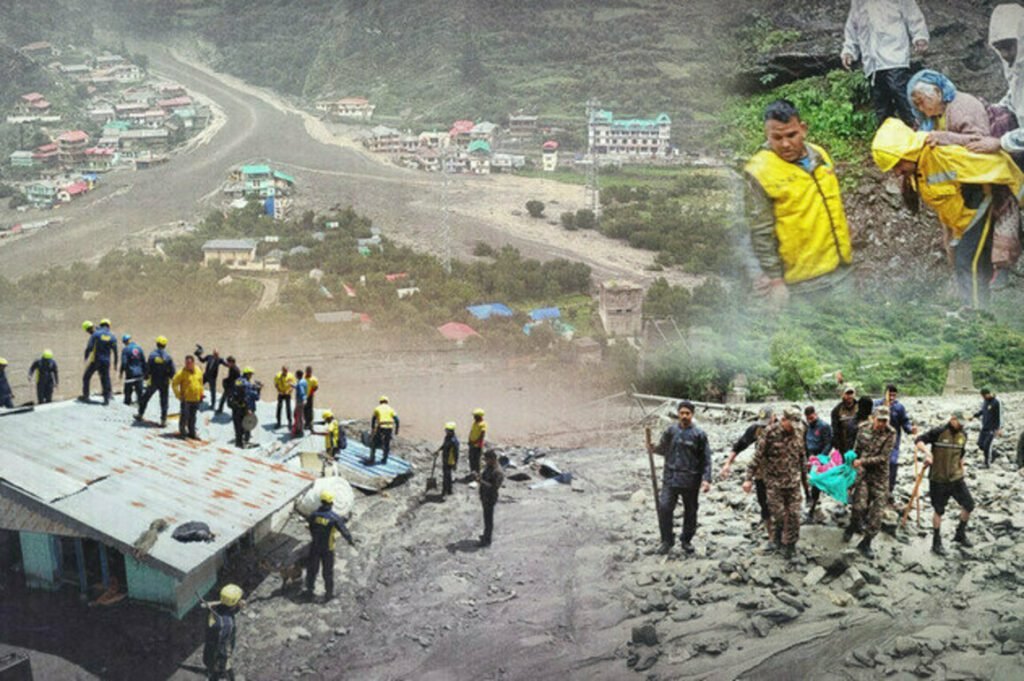
Known for its vast mountains and image of ‘Land of gods,’ Himanchal Pradesh has been undergoing an ecological collapse. The lands known for its well-known and beautiful scenery with popular tourism, the state has become a centre of climate disasters. Due to rising temperatures leading to glacier melts, reckless development, deforestation and fragile slopes, the state has witnessed natural fury. As per official reports, cloudbursts and flash floods struck across the areas from Chamba to Nahan . The Mondi district of the state as well suffered huge loss and devastation costing more than 60 lives and people losing their shelters to the floods. Essential supplies such as food, clothes and etc are being sent to the affected areas of the region by NDRF, SDRF and army team.
Punjab’s Devastation
The agrarian and green lands of Punjab are also suffering from the adversity of the rainfall in this monsoon season. 12 out of 23 districts are witnessing massive floods due to rise in the water level of the rivers of the region. The state has been severely impacted with the crisis. More than 2 million people have been affected meanwhile their livestock and shelters have also been suppressed under the water and debris brought by the rains. Crops have been destroyed threatening food security and economic instability. From Chandigarh to Ferozpur and other regions as well, all of the major civilized regions of Punjab witnessed non-stop rainfall in August and September.
Uttarakhand’s catastrophe
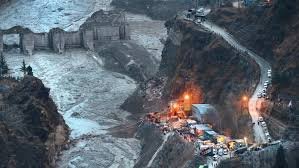
This story of the destructive nature of the rains also resonates strongly in Uttarakhand, a neighbouring state that has experienced its worst monsoon season in the last four years. Extreme weather was observed on almost two-thirds of the days during the season, a sharp rise from only a few years ago, according to the given statistics of the meteorological department. Particularly following devastating flash floods in the Uttarkashi region, the human deaths and sufferings is measured in the thousands of lives lost and more than a hundred people missing. The Dharali and Tharali witnessed the flash flood destructions leading the debris enter the residential areas and destroying homes of many families. Further, several landslides occurred in the regions as well therefore blocking road and highways.
The Urban cities crisis
India’s metro cities such as Gurgaon, Noida and Mumbai. have also become victims of climate havoc. Due to continuous rains in the mentioned places in august and September 2025, the regions also got submerged under water leading to failed transport networks. Several corporate employees also got stuck within their offices due to overflow of water in the low-lying regions. The office hubs of these metro cities got affected by the rains and also led to deaths of people due to falling into manholes.
Conclusion
The climate crisis in India serves as a stark reminder to the civilization that environment cannot be neglected in the name of development. The Himalayas require sustainable model and practices that include empowering communities, implementing ropeways, and reducing projects that hamper the slopes of the vulnerable regions. Climate-resilient crops and water management are needed in Punjab. Budget allocations and parametric insurance are positive steps, but they urgently need to be implemented. As the Dev Bhoomi namely Himanchal Pradesh and Uttarakhand, itself runs the risk of being deeply affected by the scientific planning and urbanization of regions in these states. The plains and mountains alike are wailing for assistance, and the time for action that ensures protection of these natural states not at the cost of urbanization and development. Even though there are innovative and promising policy measures, they need to be put into action as quickly as possible and with political will. Deliberation is over; the plains and mountains are crying for assistance, and the country and its official authorities must respond with swift action.