
At Delhi’s Jantar Mantar on Saturday, June 20. The sun was beating down, the crowd was buzzing with energy, and you could hear it in every chant – young voices, frustrated but determined, calling out for real change in India’s broken education system. The Cockroach Janta Party (CJP), this viral youth movement that’s taken the internet by storm, was back for its second big protest. And their message was loud and clear: Education Minister Dharmendra Pradhan must resign. No ifs, no buts.
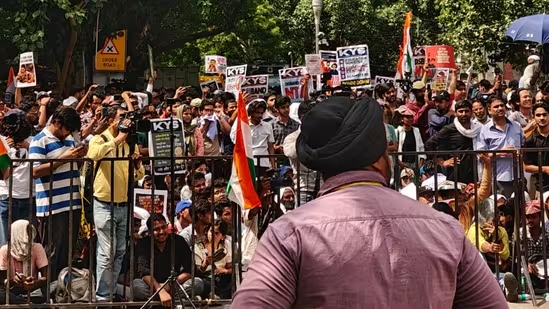
Picture this: hundreds of students, parents, and concerned citizens gathering again at the iconic protest spot. Abhijeet Dipke, the 30-year-old founder of CJP (also known as the Cockroach Janta Party), had just returned from demonstrations in other cities. He stood firm, telling everyone they weren’t packing up when the police permission ran out at 5 p.m. “We won’t leave Jantar Mantar until Dharmendra Pradhan resigns,” he declared. The crowd echoed that with slogans like “Dharmendra Pradhan istifa do” – resign, Pradhan, resign. It wasn’t just noise; it was raw anger over how our exams have been failing our kids.
This whole thing blew up because of the NEET-UG mess. Remember the paper leak in early May? It wrecked the dreams of over 23 lakh students. The exam had to be scrapped for many, leading to a CBI probe, arrests, and heartbreaking stories – at least a dozen student suicides linked to the stress. Then there are other issues piling up: irregularities in CBSE’s on-screen marking and a general feeling that the education ministry just isn’t handling things right. People are fed up. They see their future slipping away because of leaks, delays, and lack of accountability. That’s why CJP’s “cockroach” symbol – resilient, hard to crush – resonates so much with Gen Z.
Dipke and his team didn’t mince words. They appealed to parents and students to join by evening, making it one clear demand: Pradhan’s resignation. As the deadline hit, police asked people to clear out. But Dipke and many others stayed put. There were reports of water and electricity being temporarily cut, heavy security, and tension in the air. Yet the protest stayed mostly peaceful. Supporters from Delhi and nearby states kept showing up, carrying placards and raising voices for systemic fixes. This wasn’t their first rodeo – they’d already held a big one earlier, and this felt like a step up in momentum.
What strikes me talking to folks there (or imagining the conversations) is how personal this is. One student might say, “I studied day and night for NEET, and now this? My one shot at a good college is ruined because someone leaked the paper. Who’s taking responsibility?” Parents nod along, worried sick about their kids’ mental health and future. CJP isn’t just protesting one exam; they’re highlighting bigger cracks – unemployment worries, coaching mafia influence, and a system that feels rigged against ordinary aspirants. Dipke has been traveling, building this movement city by city, and it’s catching fire online with millions of followers.
Of course, not everyone sees it the same way. Some critics wonder about the politics behind it or if it’s turning into something broader. There were murmurs of “Azadi” slogans or other chants mixing in, which can muddy the waters. But at its heart, this feels like genuine youth frustration boiling over. Opposition voices, including Rahul Gandhi, have also pushed for smooth re-exams and accountability, adding to the pressure. The government, meanwhile, is trying to reassure everyone – extra security for the NEET re-test, CBI action – but for many on the streets, words aren’t enough without someone at the top owning up.
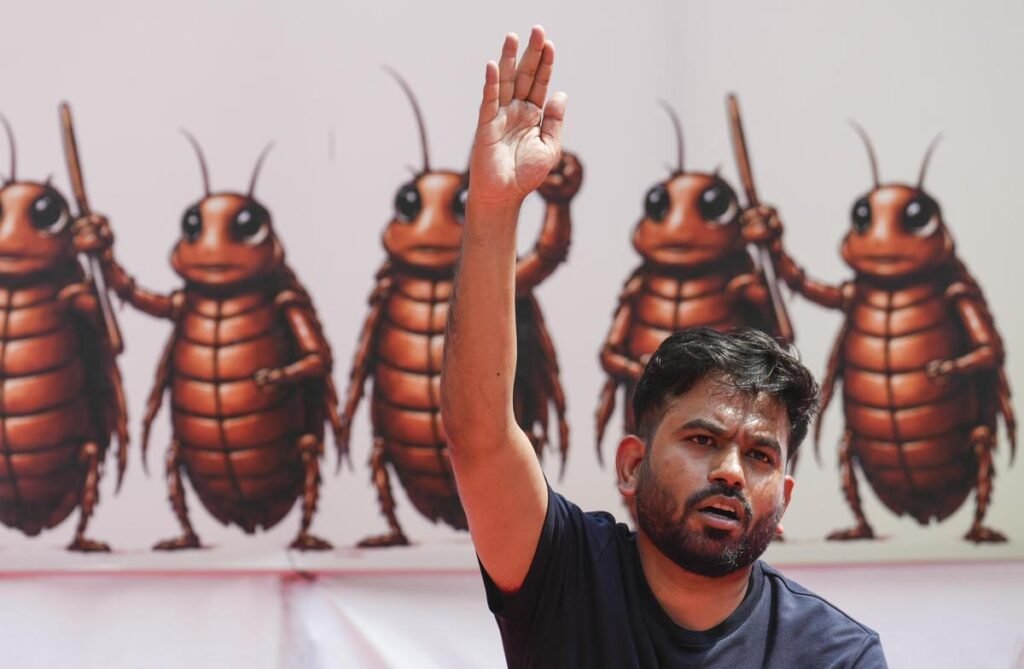
As evening turned to night, the sit-in continued despite the odds. Dipke thanked police at one point for restoring lights, keeping things from escalating. It’s a reminder of how these protests test not just the system but our democracy’s patience for dissent. Jantar Mantar has seen many such movements, but this one has a fresh, digital-age edge – young people organizing fast, memes spreading the word, and a refusal to be ignored.
Look, nobody wants chaos. Students need to focus on their re-exams coming up. But ignoring the pain behind these protests won’t make it go away. The demand is straightforward: fix the leaks, secure the process, and show accountability by letting the minister step down if that’s what it takes to rebuild trust. Whether that happens or not, CJP has already woken up a lot of us to how fragile our education dreams feel right now.
This movement is young, energetic, and persistent. It might evolve, face hurdles, or even grow bigger. But for now, on that Saturday at Jantar Mantar, it was about ordinary Indians saying enough is enough. Our kids deserve better than paper leaks and broken promises. Let’s hope the powers that be are listening.
Sources:
- The Hindu reports on the protest events and Dipke’s statements.
- Hindustan Times live updates from Jantar Mantar.
- India.com and other coverage on demands and police interactions.
- Background on NEET issues from multiple national outlets.