
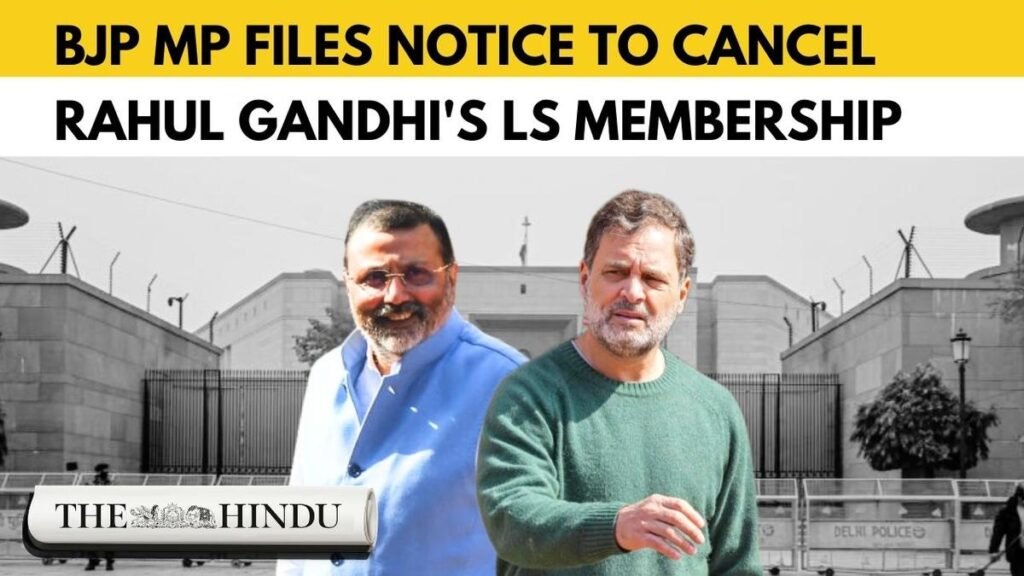
Nishikant Dubey straight-up submitted a notice for a substantive motion in the Lok Sabha, gunning for Rahul’s seat. He’s demanding they cancel Rahul’s membership as an MP and slap a lifetime ban on him from ever running in elections again. Lifetime! That’s not messing around—he’s accusing Rahul of misleading the whole country, colluding with “anti-India forces” (he keeps naming George Soros, USAID, Ford Foundation, all that), making baseless attacks on the Election Commission, Supreme Court, even the Army, and tying it to Rahul’s foreign trips and his recent digs at government trade deals like the India-US one.
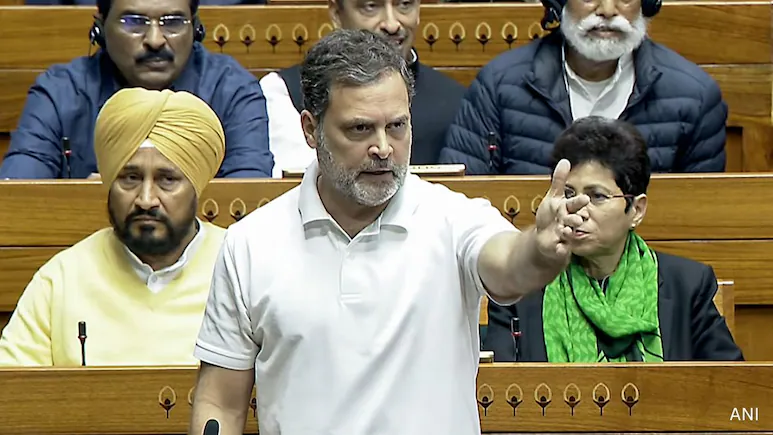
The House went nuts the moment Dubey mentioned it during Zero Hour—opposition yelling, total chaos, and they adjourned for the day. Classic.
Now, what’s a substantive motion, really? In everyday talk, it’s the heavyweight champ of motions. Unlike those quick privilege complaints or adjournment things that just hitch a ride on other debates, a substantive motion is standalone. It’s this independent proposal an MP throws out, worded so that if the Lok Sabha debates it, votes, and passes it, boom—it’s the House’s official call on something big. It can express a strong opinion, demand action, or even lead to decisions like expulsions. From the rules (Lok Sabha’s own book on procedures), it’s “a self-contained independent proposal… capable of expressing a decision of the House.” They’ve used it for serious stuff historically, like impeachments or heavy resolutions.
But here’s the real talk: Does this mean Rahul’s out tomorrow? Nah, not even close yet. First, Speaker Om Birla has to admit it—decide if it’s worth debating. If yes, it might go for discussion, maybe get kicked to a committee (like Privileges or Ethics) for digging deeper, or straight to a vote. Actual expulsion of an MP is mega-rare. The Constitution (Articles 101-103) and the Representation of the People Act usually disbarred folks for criminal stance, defection, office-of-profit stuff. House expulsion? It’s happened maybe a handful of times ever, needs a majority vote, and solid grounds like contempt or privilege breach.
Congress is screaming this is just revenge politics—a total distraction because Rahul’s been slamming the government hard on farmers, trade, institutions. BJP folks? They’re like, “Finally, someone’s holding him accountable for crossing lines.” And get this—the government was thinking of their own privilege motion but backed off since Dubey already filed this substantive one. Kiren Rijiju even said they’re letting Dubey’s notice take the lead.
Bottom line: It’s escalated the BJP-Congress war big time, but it’s procedural chess right now. Will the Speaker greenlight a debate? Committee probe? Or does it die quietly? We’ll know more soon—Parliament sessions are wild like that.
Stay glued, folks. Indian politics never sleeps.
Sources:
The Hindu
NDTV
India Today
Hindustan Times
Times of India
Lok Sabha Rules of Procedure