
This news has been weighing since When an Indian ship got hit and sank off Oman, my first thought was – those poor guys on board, and their families back home. And honestly, it shows how bad things have become in the Strait of Hormuz. No route feels safe anymore. Iran is holding the area tight, and everyone sailing there is nervous.
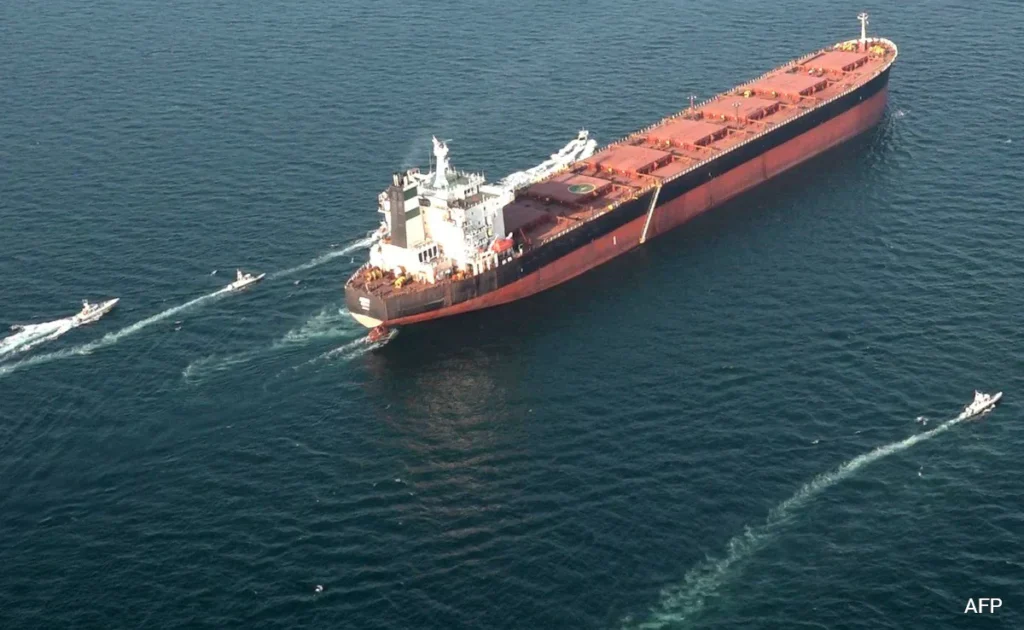
A few days ago, early Wednesday morning around 3:30, the MSV Haji Ali – a small Indian-flagged wooden cargo ship from Gujarat – was moving peacefully near Limah on Oman’s northern coast. The ship had left Somalia carrying livestock, heading to Sharjah in the UAE. Fourteen Indian crew members, ordinary hardworking boys, mostly from coastal families.
Then suddenly, boom. Something explodes – probably a drone or a missile. Fire spreads fast. The ship starts taking water, tilts badly, and eventually sinks. Thank God, all fourteen crew got out safely into lifeboats and were rescued by Omani coast guard. But the ship itself is gone, lying at the bottom now.
India’s government didn’t stay quiet. The Ministry of External Affairs called it “unacceptable” and “deplorable.” They’re right – you don’t target civilian ships and normal sailors like this. It’s just wrong. What added to the awkwardness is that Iran’s Foreign Minister was in Delhi right around then for BRICS talks. Diplomacy never stops, but these things make it so much harder.
Now, why does this feel so big? The Strait of Hormuz isn’t some side lane – it’s the throat of the world’s oil supply. One-fifth to nearly a third of global crude passes through there every day. When things get shaky here, oil prices jump, shipping costs rise, and eventually it touches all of us – higher petrol, higher transport, higher prices for daily stuff.
The really worrying part? This attack happened on one of those “alternative” routes closer to Oman that captains started using to avoid trouble in the main channel. People thought it would be safer. But this shows Iran can reach even there. No path is foolproof right now. That’s the scary new reality.
Iran has been very direct lately. Their forces, especially the Revolutionary Guard, have been stopping ships, firing warnings, sometimes seizing them. A few weeks back, other Indian ships like Sanmar Herald had close calls with gunfire and had to turn back. India called in the Iranian ambassador and expressed deep worry, asking for safety guarantees for our people. But tensions keep bubbling.
Indian seafarers are everywhere on the world’s ships – thousands from Gujarat, Kerala, Tamil Nadu, everywhere. They leave home for months, send money back, support entire families. Every trip through the Gulf used to be routine. Now it’s stressful. Families track AIS signals obsessively. Wives and mothers stay up worried. The mental load is heavy – rerouting, higher insurance, sudden alerts, radio messages that make your stomach drop.
One captain or crew guy in past incidents talked about missiles and chaos. These aren’t soldiers – they’re just workers trying to earn a living.
Economically for India, it matters a lot. We bring in huge amounts of oil from the region. Any big disruption means trouble at the pump and for industries. Exporters too – goods, livestock, everything at risk. A small ship like Haji Ali sinking is bad enough. A large tanker? Environmental mess plus huge losses.
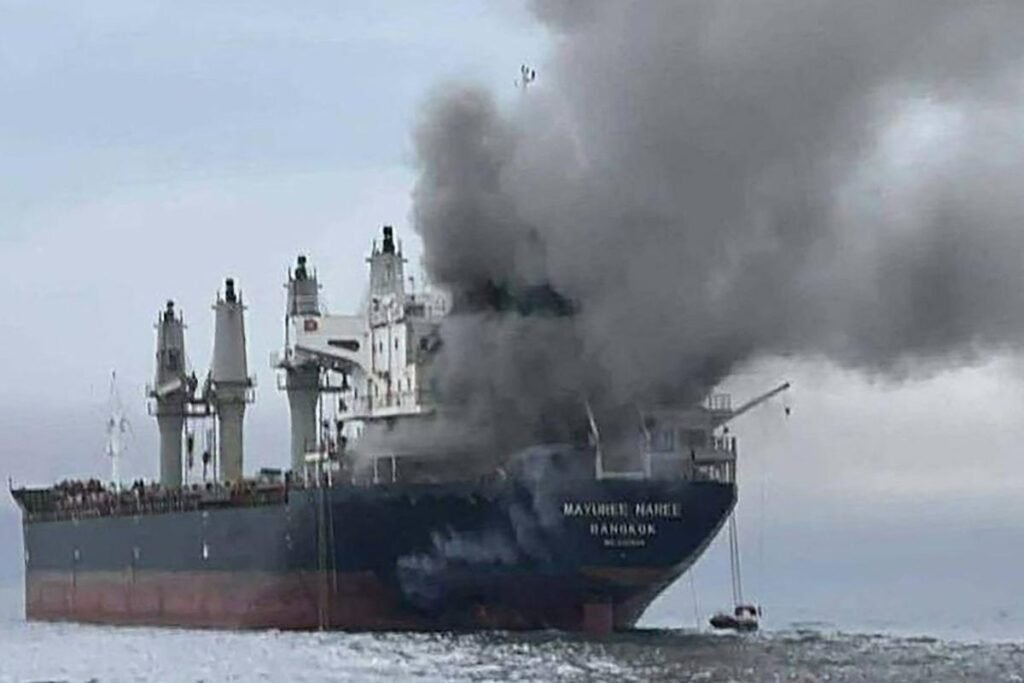
From Iran’s side, they feel pushed against the wall – sanctions, blockades, military moves around them. The strait is their strong card, their way to push back without a full war. Small boats, drones, quick strikes – cheap for them, expensive headaches for everyone else. They say they’re taking strict control and responding to provocations.
Oman has tried to stay out of the drama and help with rescues, but being right there makes it tough. Shipping companies are already changing plans – longer routes, waiting for escorts, paying more for insurance. Some Indian naval operations are helping protect our interests.
Global trade needs these waters open and calm. When Hormuz gets choked, poor countries suffer most – higher costs for fuel and food ripple everywhere.
Diplomats on all sides need to talk more, cool things down. Through UN, maritime bodies, back channels – whatever works. Because another big incident could spiral things badly.
This Haji Ali attack is a clear warning. Even the edges aren’t safe. Captains, companies, governments – everyone has to be extra careful. Our Navy and MEA are doing their bit, balancing relations while standing up for our people.
Sources:
Reuters, India Today, The Hindu, Times of India, MEA statements, UKMTO reports, maritime firms like Vanguard and Windward (May 2026 updates).