
On Tuesday, Swami Govind Dev Giri, the treasurer of the Shri Ram Janmabhoomi Teerth Kshetra Trust, spoke up clearly. He said every valuable thing that devotees have given with so much love and faith is completely safe, properly looked after, and all recorded. No missing pieces, no confusion on that front. When stories started floating about possible issues with donations, it naturally upset a lot of folks who had given whatever they could.
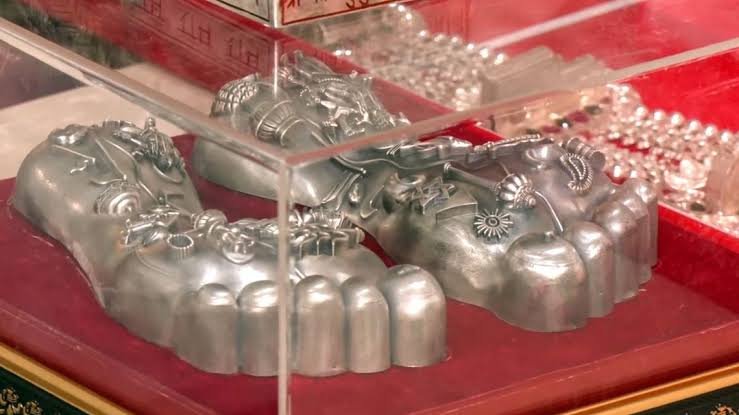
Right now, the trust has more than 30 kilograms of gold-like items and about 1,518 kilograms of silver-like stuff, plus loads of other precious offerings from devotees. Breaking it down, they received 16.765 kg of gold-related things till March 2024, then another 10.445 kg in the next year, and 5.05 kg more recently, adding up to around 32.26 kg total as of March 31, 2026. The silver includes both beautiful original pieces and refined amounts after careful processing under proper watch.
And get this—there are exactly 2,926 valuable articles in total, from ornate gold and diamond jewelry, lovely artefacts, crowns, necklaces, silver bricks, holy charan paduka, and so many personal touches people offered. Swami Giri mentioned they keep a proper register for everything. It’s not just words; they even showed some of these items publicly a few days back, including that stunning gold-plated Ramcharitmanas worth crores, to let everyone see they’re real and secure.
Knowing it’s safe and not lost or misused means the world. Faith works on that personal level, right? It’s not abstract—it’s about trust between devotees and those managing the sacred space.
Of course, this comes amid some bigger noise. There have been questions and probes about cash donations, leading to resignations in the management, police cases, and political arguments flying back and forth. Champat Rai and others have said the full picture will come out soon. The trust is tightening things up to avoid any doubts in the future, which makes sense. But on these physical treasures—the gold, silver, and special items— the message is straightforward: they’re all there, safe and accounted for.
The overall donations to the temple have been huge, running into thousands of crores, and much of it has gone into building the temple or sitting safely in deposits. Most transactions went through banks, with audits happening.
Temples have always been more than places of worship in our culture—they’re shared heritage, centers of community, and symbols of collective devotion. When something as revered as the Ram Temple faces questions, it shakes people. But reassurance like this helps bring everyone back to what unites us: the pure intent behind the offerings.
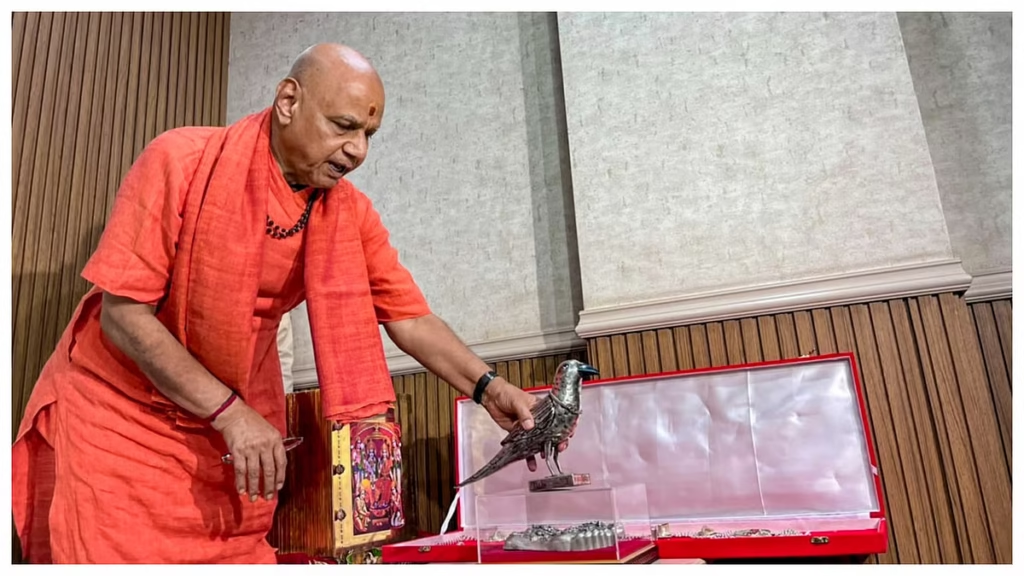
As the temple marks more time since its pran pratishtha and welcomes streams of visitors, this kind of transparency keeps the faith strong. Devotees from every corner—rich or modest—gave selflessly. Knowing their contributions are protected allows the focus to stay on the spiritual side, on service, and on carrying forward the temple’s glory for years to come.
It’s human to have questions when big things are involved. But it’s also human to feel reassured when leaders address them directly with facts. Over 30 kg of those golden offerings, more than 1,500 kg of silver treasures, and nearly three thousand special articles—all safe, catalogued, and preserved with respect.
In the end, this temple belongs to all of us who hold it dear. The trust is just the caretaker. By speaking openly about the inventory and records, they’re honoring that.
Sources:
The Hindu, PTI, LiveMint, Moneycontrol, Outlook India, and other reports from July 7, 2026, based on the treasurer’s statements.