
Right now, India has chosen Bihar’s Governor, Lt Gen Syed Ata Hasnain (retd), and Minister of State for External Affairs Pabitra Margherita to represent us at the funeral ceremonies for Iran’s Supreme Leader Ayatollah Ali Khamenei. It’s not the Prime Minister heading there, but these two respected figures, and somehow that feels very much like the kind of balanced, respectful choice our country often makes.
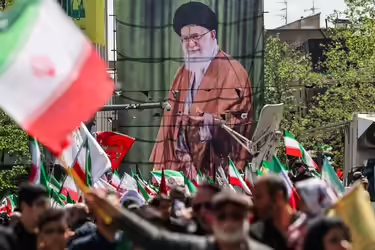
Khamenei passed away earlier this year after a long and very influential life at the helm of Iran. The funeral events are going to be huge – starting in Tehran around July 4, with processions, mourning, and everything culminating in his burial back home in Mashhad on July 9. Iran invited PM Modi, but the government decided this delegation was the right way to go. It’s a gesture of condolence and respect without turning it into a mega political event.
I’ve been thinking about Lt Gen Hasnain. He’s the kind of person who brings real weight to any room he walks into. A retired Lieutenant General with a long, distinguished Army career behind him – someone who’s seen and handled serious strategic stuff over the decades. Now serving as Governor of Bihar since earlier this year, he represents that mix of discipline, experience, and public service. There’s something fitting about sending a man like him to a sensitive occasion like this. He understands security, history, and the human side of these moments.
Then there’s Pabitra Margherita. She’s younger, energetic, and has been actively involved in India’s foreign affairs work. Sending her along shows that we’re not just looking backward but also carrying forward the relationship. Together, they feel like a solid, thoughtful team – experienced enough to handle the gravity, and connected enough to the current government to speak for India properly.
Honestly, India-Iran relations have always had this deep, layered feel to them. It’s not just government-to-government; there are old cultural threads, shared history, trade links (especially energy), and the Chabahar port project that matters for connectivity. Millions of Indians, particularly in the Shia community, feel a cultural and religious connection too. Over the years, through sanctions, tensions, and changing geopolitics, we’ve tried to keep things pragmatic and steady. Attending the funeral is part of that – a way of saying we remember the ties and value the relationship, even as the region stays complicated.
People might wonder why not a bigger presence. Look, life and diplomacy are full of practical realities. The PM has a packed schedule, there are multiple global pulls, and sometimes sending senior but not the absolute top level is the thoughtful middle path. It avoids over-dramatizing while still showing up with dignity. I’ve heard similar choices made by other countries too. It’s not cold; it’s careful.
The funeral itself is going to be massive. Iranian authorities are expecting huge crowds across Tehran, Qom, and Mashhad. Khamenei led the country for decades after Khomeini, shaping its path through wars, politics, and everything in between. For ordinary Iranians, this is a deeply emotional time. India’s presence, even through this delegation, is a quiet human acknowledgment of that loss.
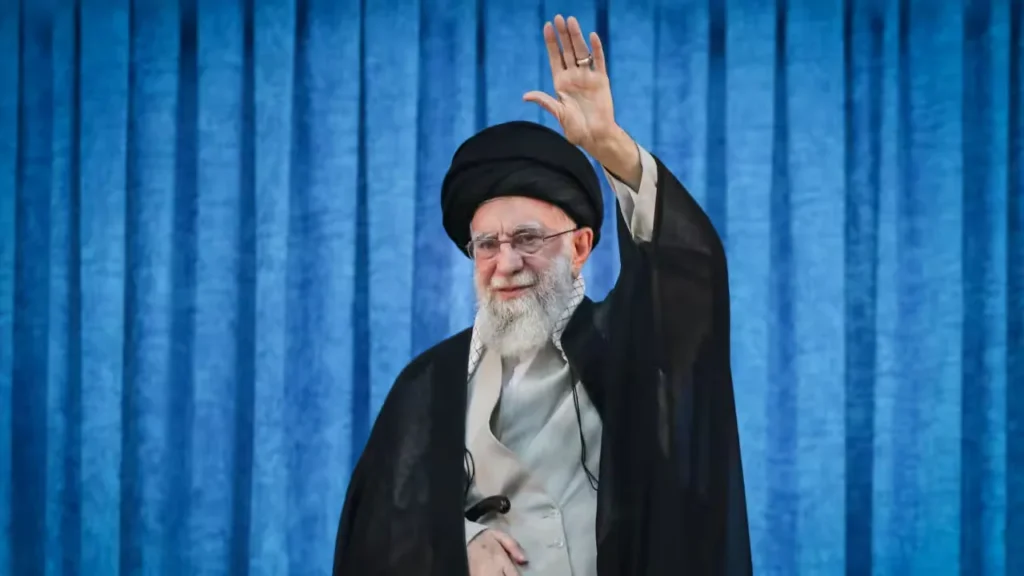
What might happen during the visit? Probably the usual formal respects – meetings with Iranian officials, laying wreaths, and maybe some side conversations about keeping cooperation alive under whatever new leadership emerges in Tehran. Hasnain’s defence background could open doors on security talks, and Margherita can follow up on ongoing projects. These things matter because stability in West Asia directly touches India’s energy needs, trade routes, and the safety of our people there.
At home, reactions will be mixed, as always. Some will say it’s exactly right – respectful without getting entangled. Others might wish for more visibility. But if you step back, this feels very Indian: measured, civil, focused on long-term friendship rather than short-term optics. We’ve done this before in similar situations – showing up as a reliable partner who doesn’t swing wildly with every change.
In the end, it’s about human connections between nations. Leaders pass, but relationships built over generations endure if we nurture them. Bihar’s Governor and the MoS are carrying not just official condolences but a message of continuity and goodwill.
Sources:
The Indian Express, Times of India, ANI reports, India Today, Al Jazeera, and other major Indian news outlets covering the announcement on June 29, 2026 reports.