
It was one of those days where you could feel the tension even through the screen. The Constitution (131st Amendment) Bill, 2026 – the one everyone was calling the big push to finally kickstart women’s reservation along with a fresh delimitation and more seats in the House – got defeated. Flat out.
298 ayes, 230 noes, zero abstentions. 528 MPs present and voting. On any normal bill, 298-230 would be a solid win for the government. But this needed a special two-thirds majority. They were short by quite a bit – around 50-60 votes depending on how you calculate the exact bar.
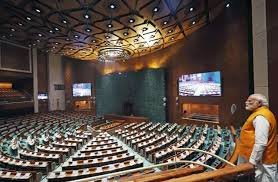
Speaker announced it, and just like that, the whole package came crashing down. The linked Delimitation Bill and the Union Territories one? They got withdrawn right after. No point proceeding without the constitutional backbone.
The government came in heavy. They wanted to expand Lok Sabha from 543 to something like 850 seats, do delimitation based on the latest numbers (skipping some usual waits), and tie in the one-third women’s quota to start around 2029. Law Minister Arjun Ram Meghwal and Amit Shah made strong cases – more representation for a bigger population, justice for states that did well on population control, and real power for women in politics. PM Modi had appealed for support across the aisle. Two full days of debate, fiery speeches, the works.
But the opposition – Congress, TMC, DMK, and the rest of the INDIA bloc – dug in hard. They said this wasn’t just about women; bundling delimitation with it smelled like a move that could hurt southern and smaller states in the long run. Rahul Gandhi and others called it a threat to federal balance. They voted no as a united front. When the division happened, the numbers told the story. First time in over a decade a Modi government constitutional amendment has fallen in the House. That hits different.4
What This Actually Means
The original 2023 Women’s Reservation Act is still there on paper – the Nari Shakti one that got passed with huge cheers. But without this amendment and the delimitation trigger, it stays locked. We’re probably back to waiting for the next full census cycle, which could push real implementation well into the 2030s. No quick 2029 rollout.
For women who’ve been waiting for guaranteed seats, it’s disappointing. A lot of women MPs from the ruling side looked visibly upset after the vote. But for those worried about north-south imbalances or rushed redrawing of maps, today felt like a safeguard. Politics, right? Everyone sees the same event differently. Kiren Rijiju said they won’t push the other bills now. There’s a Cabinet meeting tomorrow to decide the next steps. House adjourned till morning.
Indian democracy showed up today. The high bar for changing the Constitution worked exactly as designed – it forced real argument, real numbers, and no one could ram it through on simple majority. That’s the beauty and the frustration of it. Government had the numbers for ordinary business but not the broader consensus this needed. Opposition played the check-and-balance role perfectly from their view.
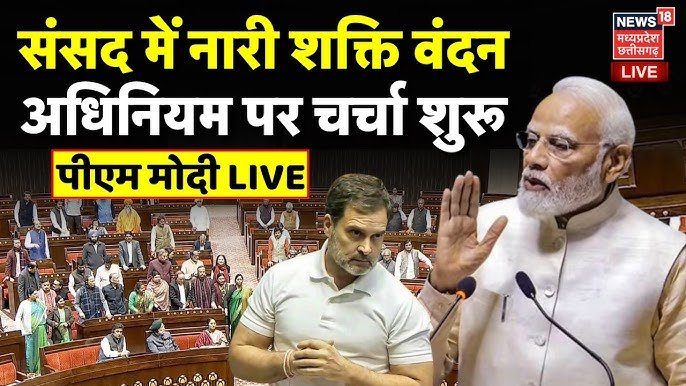
This isn’t the end of the conversation. Delimitation has to happen someday – population has changed a lot since the last freeze. Women’s representation needs a genuine boost too. Maybe this defeat opens the door for talks without the bundling and suspicion. Or maybe parties will now fight it out differently in coming elections.
It’s messy, it’s loud, it’s slow sometimes, but it’s our system. 298-230. Those numbers will be quoted for years. No drama like walkouts or paper-tearing at the end – just quiet math deciding history.
Sources :
• The Hindu (live updates and vote details)
• PRS India (bill summaries)
• India Today, Times of India, LiveMint (debates and reactions)
• Official statements via AIR, PTI, and parliamentary records.
All fresh from April 17, 2026 proceedings.