
As of today, April 11, 2026, the US and Iran are really getting almost prepared to talk about making this ceasefire done. At the same time, Netanyahu just gave the green light for Israel to start straight talks with Lebanon.
First, remember that two-week ceasefire between America and Iran? It got announced just a few days back after things got really scary. Oil prices jumping, ships worried about the Strait of Hormuz, Trump saying strong words – the usual tension that makes stomach drop. Now they’re planning proper talks in Pakistan, with JD Vance and the American team heading over. The hope is to turn this short pause into something that actually lasts. But already you can see the problem: Iran wants the ceasefire to cover everything, including Lebanon. The US and Israel are saying, “No, that’s a separate story.” Classic situation where everyone’s nodding but meaning different things.
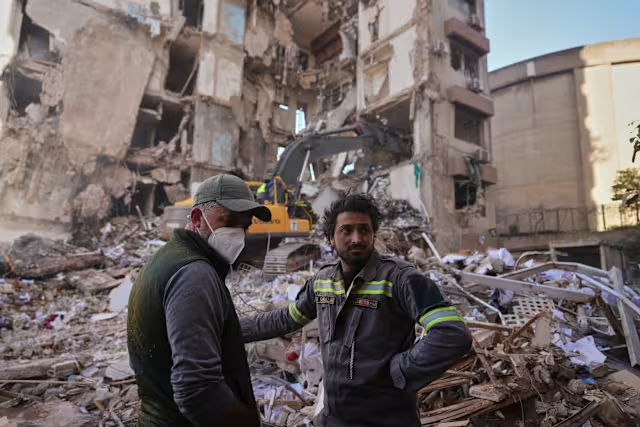
What really got everyone’s attention is Netanyahu coming out and saying, yeah, go ahead and talk directly with Lebanon. He wants his people to start as soon as possible. The main thing on the table? Getting Hezbollah to put down their weapons and trying to find some way for Israel and Lebanon to live like normal neighbors – which, let’s be honest, hasn’t happened since 1948. He was very clear that the current US-Iran truce doesn’t stop Israel from hitting Hezbollah targets. And they have been hitting them. That’s caused a lot of pain and anger on the Lebanese side.
Here’s the hopeful part though. Next week, these Israel-Lebanon talks are supposed to actually begin in Washington at the State Department. Americans are playing host, ambassadors from both countries will be there. It’s not some secret backchannel – it’s out in the open. One American official (who didn’t want their name used because everything is so touchy) said it’s a real chance to talk about pulling back and making sure Hezbollah steps away from the border. Lebanese leaders are being careful. A lot of them are saying “we can’t talk properly while bombs are still falling,” which makes sense. But the fact they’re willing to fly to DC and sit at the same table? That’s new. That’s something worth paying attention to.
The families in northern Israel who’ve spent years running to shelters. The young guys on both sides who never asked to fight but got pulled in anyway. Everyone’s exhausted. Economies are suffering, people are scared, and nobody wants this to turn into a bigger war that drags in even more countries. That’s why Pakistan helping with the US-Iran talks matters – sometimes you need someone who’s not directly in the fight to hold the door open.
Netanyahu’s decision feels like it came after some serious nudging from the American side. Trump’s people apparently want Israel to cool it in Lebanon so the bigger ceasefire has a fighting chance. For Israel, getting Hezbollah disarmed would finally give their northern towns some real peace. For Lebanon, it could mean less Iranian influence and maybe space to fix their own broken economy and politics. But trust is almost gone after so many years. Lebanese Prime Minister and others keep repeating they need a total stop to the attacks before anything real can happen.
The big meetings in Islamabad are going to be tough. They’ll talk about nuclear stuff, the oil route, and calming the whole region. If those go even a little bit okay, it might help the Washington talks next week. If they don’t… well, that two-week pause could disappear fast and gas prices everywhere will remind us how connected this all is.
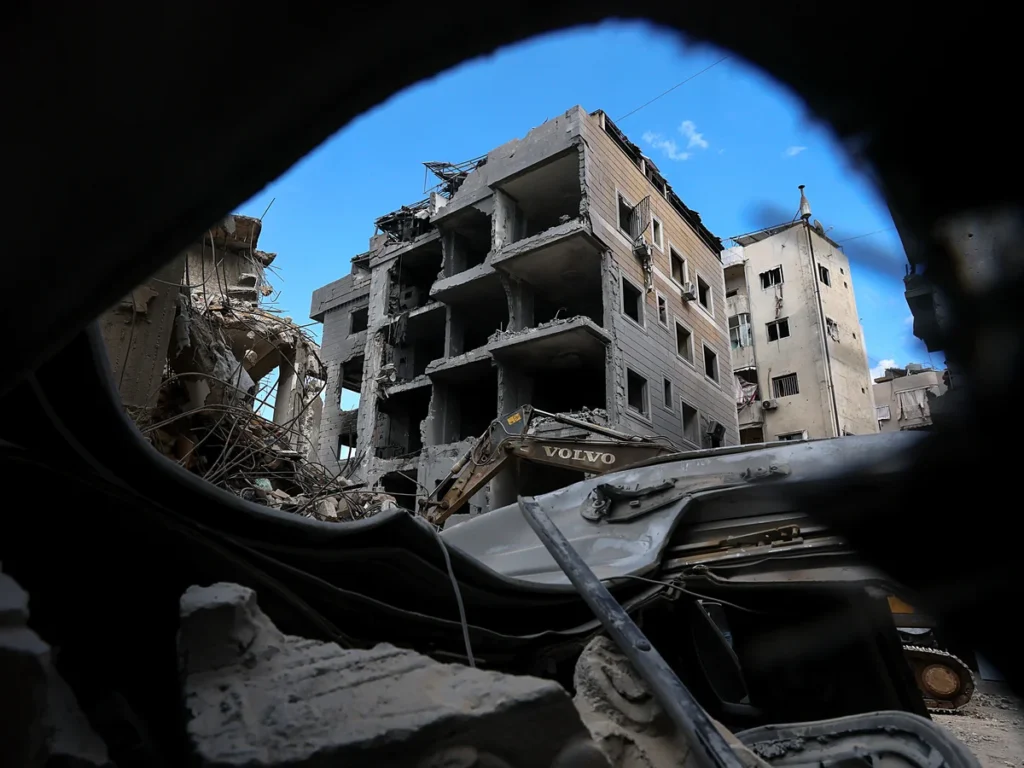
Nobody’s pretending this is easy. Hezbollah isn’t just some outside group – they’re part of Lebanese life, politics, and society. Israel has real fears after years of rockets and attacks. Iran sees Hezbollah as their close ally, so anything happening there feels personal. It’s all tied together like a knot that’s been pulled tight for decades.
There’s something quietly very hopeful about all these talks happening at the equivalent timing. Netanyahu opening the door, Americans hosting in DC, Pakistan helping with Iran – it’s multiple roads being walked at once. People are choosing conversation over just more airstrikes, at least for now. That matters. For the tired families across borders, that small difference feels huge.
Sources: Associated Press, Al Jazeera, CNN, Reuters, The Hindu, The Times of Israel, and Washington Post reports, plus official reports.