
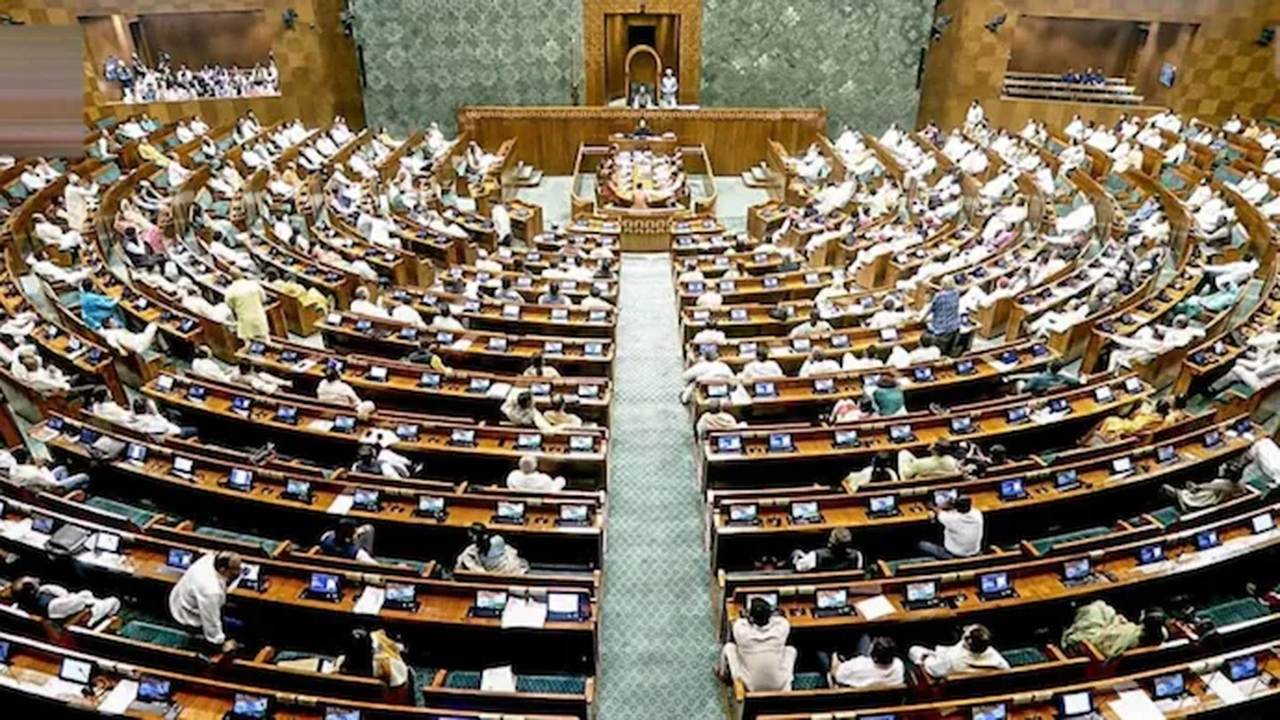
The government is working on a simple but big change. It may take the delimitation exercise completely out of the Census process and just raise the number of Lok Sabha seats in every state by a flat 50 per cent. The idea is doing the rounds in official circles and could get a formal push after the Cabinet meeting today.
This comes just ahead of the special Parliament sitting starting November 30. Lok Sabha will meet from Monday, Rajya Sabha from Wednesday, and the whole thing is scheduled to wrap up by December 3. The monsoon session was never formally closed, so this is being treated as its continuation.
For years the number of seats each state gets has stayed frozen on the 1971 Census figures. That freeze was meant to protect states that brought their population growth under control. Southern states have been the loudest on this point. They feel a pure population-based redraw now would cut their share even though they did better on family planning. A straight 50 per cent increase for everyone keeps the present balance intact. No state loses its relative weight. The House simply gets bigger.
Under this formula Uttar Pradesh’s 80 seats would go to around 120. Maharashtra’s 48 would become 72. Tamil Nadu’s 39 would rise to about 59. West Bengal from 42 to 63, Bihar from 40 to 60, Madhya Pradesh from 29 to roughly 43-44, Karnataka from 28 to 42. The total strength of the Lok Sabha is expected to move from the current 543 elected seats towards 816 or up to the new ceiling of 850. Exact numbers will depend on how the Delimitation Commission finally works it out, but the inter-state ratios stay the same.
The move also clears the way for women’s reservation. The 2023 law had tied the 33 per cent quota to the next Census and the delimitation that follows. That would have pushed it well into the next decade. Expanding the House first and delinking the quota from a fresh Census means the reservation can kick in for the 2029 elections without reducing anyone’s existing seats.
Not everyone is happy. Some opposition voices, including Kapil Sibal, have called the 50 per cent offer a political sop. They say even with the uniform hike the absolute gap between bigger northern states and the south still widens, and the real fight will begin when constituencies are carved inside the states. There is also the constitutional point about keeping the population-to-seat ratio roughly equal across the country. The government seems ready to stick with the 1971 Census as the base for dividing seats among states and use later figures only for drawing the actual boundaries within each state.
Talks with regional parties have been going on quietly. A few southern parties and others that stayed away in April are being told no state will lose its current share. YSRCP is reportedly looking at the proposal positively. Congress has said it is open to discussion as long as the exercise is not linked to the new Census in a way that hurts certain regions.
If the Cabinet clears the amended bills today, they will be brought to the special session. The Constitution amendment needs a special majority, so the numbers have to be carefully managed. That is why the outreach has been wider this time.
For voters it will mean more MPs from their state and, if the women’s quota comes in, a lot more women in Parliament. For the system it will be the first real change in seat allocation among states in nearly fifty years, done in a way that tries not to disturb the existing federal balance too much.
Whether this version finally goes through or hits fresh resistance will be clear in the next few days. For now the message from the government is clear: the old freeze cannot just expire without a managed transition, and a uniform 50 per cent increase is the route they are offering.
Sources: India Today (27 Nov reporting), The Hindu, NDTV, Hindustan Times, Economic Times, News18 and earlier government briefings from April on the 50 per cent formula.
@Rohit Manral