
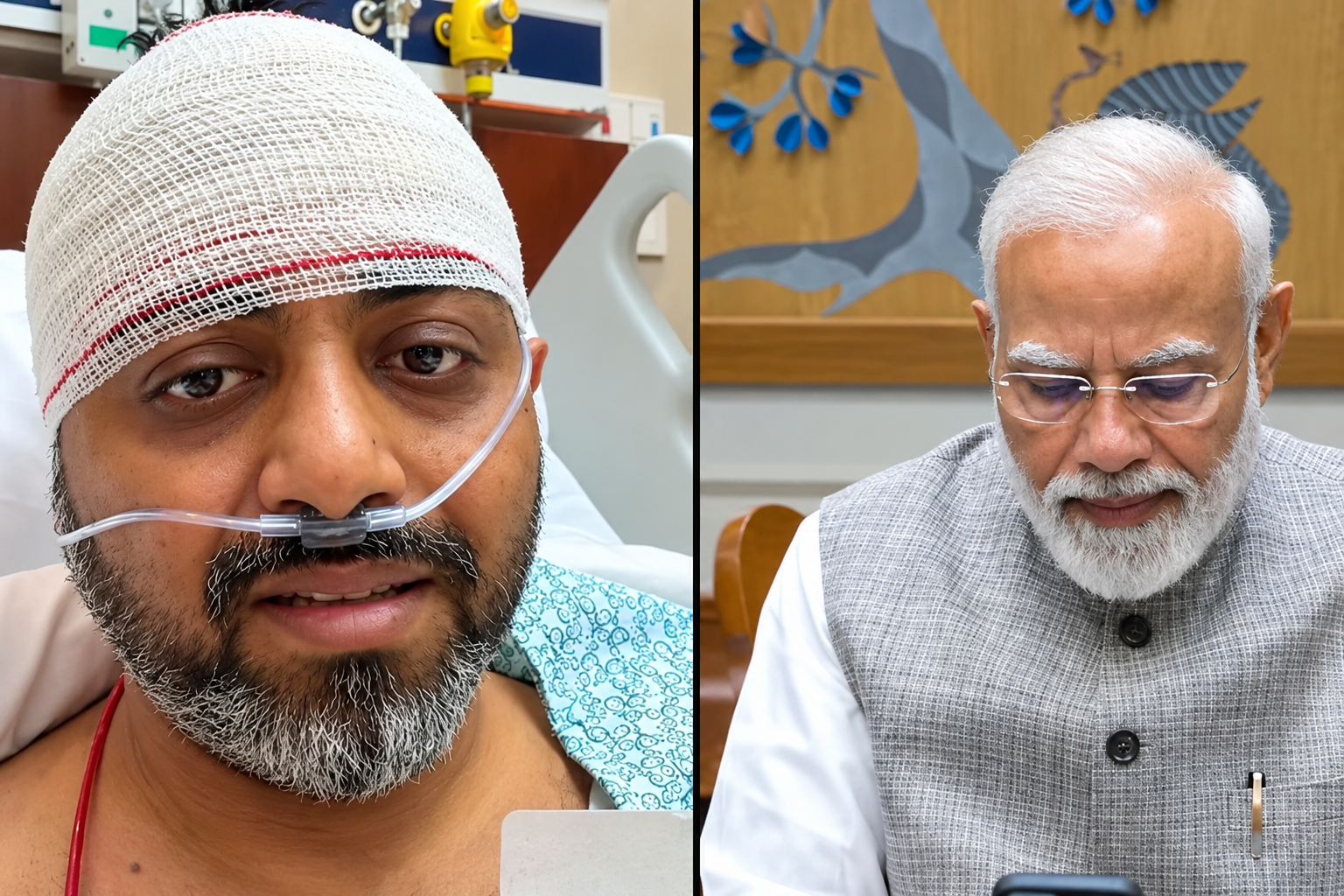
On Flydubai Flight FZ1073 last Wednesday. One minute they’re flying from Dubai to Tel Aviv like any other trip, the next the plane is falling out of the sky and a fight for survival is unfolding right in the cockpit. What happened over those roughly 12 minutes of pure chaos is the kind of story that sticks with you.
The flight took off early that morning with 174 passengers and a handful of crew. Most were Israelis heading home. About two and a half hours in, somewhere over Saudi airspace near the Jordanian border, things went sideways. Flight data shows the Boeing 737 was cruising around 33,000 or 34,000 feet when it suddenly nosedived. It dropped something like 17,000 feet in under two minutes—some reports say closer to 14,000 or 15,000 in even less time. People in their seats felt it hard. One passenger, Almog Italie, later said it felt like crazy turbulence at first, but it wasn’t. The plane was plunging.
Inside the cockpit, the co-pilot—an Omani national—had attacked Captain Smit Machchhar, the Indian pilot in charge. He stabbed him and seemed determined to put the plane into the ground. Machchhar, badly hurt and bleeding, ended up on the floor. He later told India’s Prime Minister Narendra Modi from his hospital bed that he could feel the aircraft going down and knew it was his last chance. “The door was just there,” he said. Somehow, with whatever strength he had left, he managed to open the cockpit door.
That’s when the passengers and crew sprang into action. A six-year-old girl named Nina needed the toilet, and her mother took her up front. They heard the screams and the struggle. The mother started yelling for help. Other passengers rushed forward. Among them was Yaniv Hayun, an Israeli plumber who later admitted he’d never flown a plane in his life—he’d just watched a lot of those air crash investigation shows. He and others, including Tzvika Manes and Asaf Rajuan, forced their way in. Hayun described grabbing the attacker, putting him in a chokehold, and hauling him away from the controls. They pulled him out, and people used the wires from the in-flight headphones to tie him up. It wasn’t clean or quick. Accounts vary on how long the struggle lasted—some say a few frantic minutes, others talk about a longer fight—but they got him under control.
With the attacker restrained, the plane was still in trouble. It had been climbing and diving, speed jumping around wildly. Hayun even grabbed the controls himself for a bit, pulling back to try and level it out based on what he’d seen on TV. Then two off-duty Flydubai pilots who happened to be travelling as passengers took over. They worked to stabilise the aircraft. By about 12 minutes after the plunge started, the plane was around 15,000 feet and starting to settle. They diverted to Tabuk in northwestern Saudi Arabia and landed safely.
Machchhar was rushed to hospital. He’s been praised left and right—Netanyahu called him a true hero for that one act of opening the door, Trump talked about the passengers’ bravery, and Modi checked in with him personally. Passengers who made it home to Israel that night called it a miracle. One said they prepared for the worst on the way down, staying calm in their seats so no extra chaos made things worse. Another talked about the unity on board saving everyone. The plane itself took some damage—reports mentioned the rudder or tail getting hit hard from the extreme forces—but it held together long enough.
Saudi authorities took the co-pilot into custody. Investigations are ongoing into exactly why he did it. Israeli officials have pointed to possible radical motives, but the full picture isn’t clear yet. Flydubai suspended its flights to and from Israel while everything gets looked into. The passengers who helped, the off-duty pilots, the crew, and especially Captain Machchhar—all of them turned what could have been a total disaster into a story of people refusing to give up.
It’s hard to sit with how close it came. A locked cockpit door is supposed to keep threats out after everything we’ve learned over the years. In this case, the wounded pilot opening it from the inside was the difference. Everyday people— a plumber, parents, other travellers—stepped up when it counted. Those 12 minutes of madness could have ended very differently. Instead, everyone walked away. That’s the part that stays with you.
Sources: Accounts drawn from passenger interviews and reporting in Al Jazeera, CBC News, Reuters, The Wall Street Journal coverage via secondary reports, Israel’s official statements, and flight tracking data referenced across outlets.
@Rohit Manral