
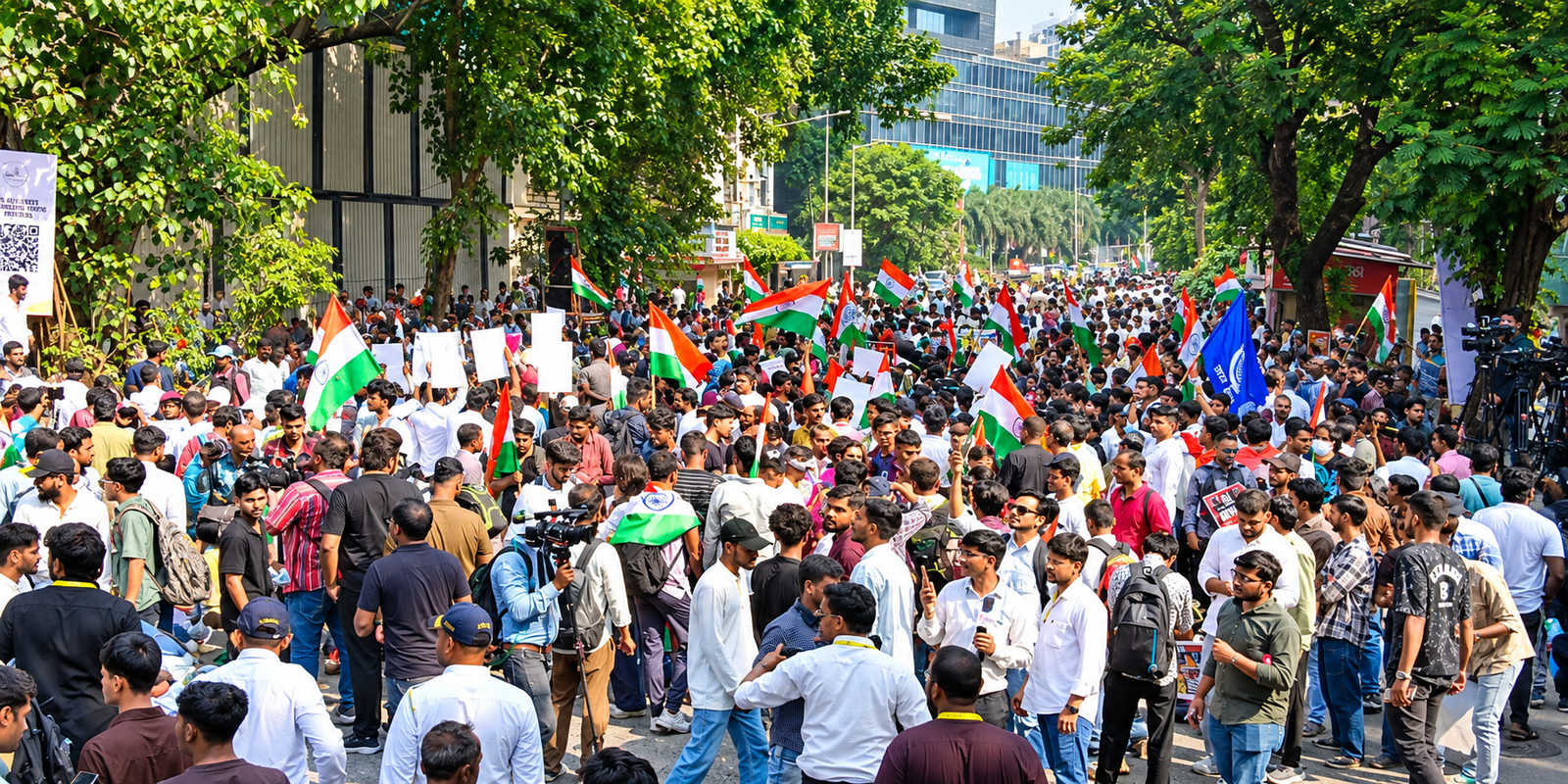
If you’re in Delhi or just keeping an eye on what’s happening today, Friday 2 October, things around Jantar Mantar are locked down pretty tight. It’s Gandhi Jayanti, so a holiday, and a bunch of student groups plus some activists had called for a protest against the Chief Election Commissioner, Gyanesh Kumar. They’re angry about this Special Intensive Revision of the voter lists – the SIR thing – and saying there are irregularities, names getting dropped, and it threatens people’s right to vote. They want him to resign or face impeachment.
But the police aren’t having any of it. Delhi Police said straight up that no one has permission for any protest or gathering at Jantar Mantar today. And they’ve got Section 163 of the BNSS in place across the whole New Delhi district. That order has been running since 23 August and goes on till 21 October. Under it, they have banned slogan shouting, dharnas, public speeches, any assembly of five or more people, processions, demonstrations, picketing – the works. You can’t even carry banners, placards, sticks or anything like that without written permission beforehand.
They put out a notice this morning reminding everyone. It’s about keeping public safety, maintaining order, and making sure traffic doesn’t jam up completely in that busy Parliament Street area. Violate it and they say they’ll book you under Section 223 of the BNS and whatever else applies. Simple as that.
Security is heavy. Barricades are up on the roads leading in – Tolstoy Marg, Janpath, Sansad Marg, Ashoka Road. The protest site itself is blocked from both sides. They’ve got around 4,000 personnel out there, district forces, RAF, CAPF companies, the lot. Extra forces were called in because they expect people might still try to show up. Traffic police have put out advisories too – don’t park or stop on those stretches or you’ll just make the mess worse. Some metro stations might get restricted if things heat up.
The main call for the protest came from AISA, the All India Students’ Association. Their president Neha Bora, along with Rajya Sabha MP Manoj Jha and lawyer Prashant Bhushan, are linked to it. They submitted some intimation letter earlier this week saying they were just informing the police about exercising their right to assemble peacefully. Police acknowledged the letter but stamped it clearly: this is not permission. Still, the organisers said they’d go ahead at 11 in the morning. AAP folks, Indian Youth Congress workers and a few other student groups like SFI and DYFI were also expected to join or support. Estimates floated around of a few thousand possibly turning up even without the green light.
This has been building for a while. On 25 September there was a similar attempt and police detained a good number of people, including some well-known activists. The whole SIR process has been under fire – critics claim huge numbers of voters have been left out or the way it’s being done raises serious questions. The Commission side says it’s just cleaning up the rolls. Either way, it’s become a big political flashpoint and opposition voices plus civil society groups keep pushing.
Jantar Mantar used to be the go-to place for protests in the capital, but the rules have got a lot stricter. You need permission in advance, sometimes lists of who is coming, and even when allowed it usually has to wrap up by 5 pm. Section 163 just spreads that tight control over the wider area. Police have said they’re more prepared this time after the bigger protests earlier in the year. They fixed broken pavements that people used for stones last time, put more cameras up, sealed entry points properly.
For regular people trying to move around central Delhi today it’s a real pain. Roads closed, extra checks, possible long delays. The police keep saying the same thing: don’t go there based on some social media post, don’t forward unverified stuff, just follow the order. They’ve warned they’ll take action against anyone spreading misleading information that could pull in crowds.
As of this morning the situation was still unfolding. Heavy deployment all around, and it was wait-and-see how many would actually try to reach the spot. The organisers keep saying the issues of voting rights and accountability of the Election Commission are too big to ignore. Police stick to their line that law and order comes first, especially on a holiday when more people could gather.
It’s that familiar push and pull you see in Delhi – the right to protest versus keeping the city moving and avoiding trouble. Right now Section 163 is what the administration is leaning on, and the message from the cops is crystal clear: no slogan shouting, no dharnas, no public speeches without permission. Whether that actually stops people or just forces them somewhere else is what we’ll find out as the day goes on.
Sources: Delhi Police statements and posts, Hindustan Times, ETV Bharat, PTI, Deccan Chronicle, Indian Express and related reports from 1-2 October 2026.
@Rohit Manral