
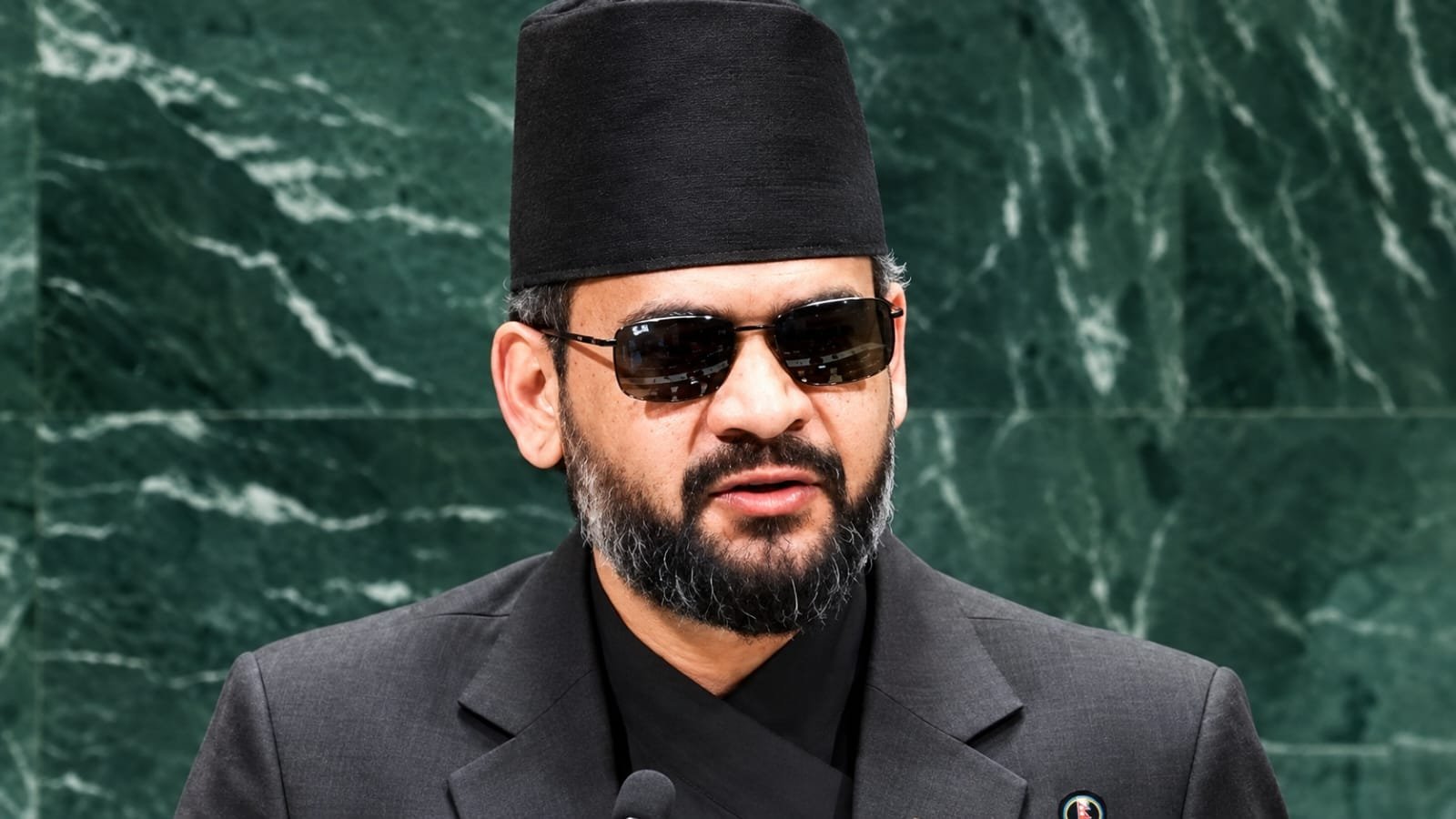
Nepal’s new prime minister, the 36-year-old guy who used to rap and then ran Kathmandu as mayor, got up at the 81st General Assembly in New York and just went for it. No polite padding. No long thank-you list that puts everyone to sleep. He came straight from the mess of those August floods and decided the world needed to hear what it feels like when your country gets slammed by problems it never caused.
The floods hit hard. Over 1,400 people dead, more than 6,000 still missing. Whole villages gone under mud and rocks. They’re saying the rebuild alone could cost about 10 percent of Nepal’s entire economy. That’s the kind of number that makes your stomach drop. Shah talked about families still digging through the debris looking for people who might never come home. Then he zoomed out and said this isn’t just Nepal’s bad luck.
Here’s the line that stuck with people: “We have built a world with flawless logistics for war and broken logistics for food.” Missiles show up on time. Guns and ammo clear every border and hit every deadline. But a farmer in Nepal can’t get fertilizer or fuel when he needs it, even if he’s ready to pay. That hit home because everyone knows it’s true. The same system that can move weapons across the planet in a few days somehow can’t get basic stuff to people who are just trying to survive.
And then he did something smart. He didn’t keep it about Nepal. He looked around the room and said, “This is not Nepal’s private misfortune. Ask Bangladesh. Ask Bhutan. Ask India. Ask the Maldives. Ask Pakistan. Ask Sri Lanka. Ask any other country in our region and you will hear the same account: hit by the climate we did not warm, and hit again by the wars we did not start.”
That’s the part that travelled. He’s basically telling the big powers: go ask your neighbours. We’re all dealing with the same mess. Climate change we barely contributed to, and wars we had nothing to do with, and somehow we’re the ones left scrambling for food and fuel while the weapons keep moving just fine.
He didn’t come empty-handed either. He pushed for a Himalayan climate resilience setup run together by Nepal, India and China. Share the satellite data, watch the dangerous glacial lakes, build proper early-warning systems. Because the floods don’t stop at the border. What starts up in the mountains ends up downstream. He even thanked India and China for the help they sent after the disaster. So it wasn’t some angry rant against anyone. It was more like: look, the system is broken, and here’s a practical way we can start fixing our little corner of it.
Shah reminded everyone what the UN was supposed to be for in the first place. After the world wars, the idea was that the weak shouldn’t just have to take whatever the strong decide. Sovereignty matters. International law matters. Human dignity matters. Right now, he said, too often it’s just military and money power deciding whose crisis gets attention and whose gets ignored.
He mentioned he was told he was the youngest head of government speaking there this year. Then he shrugged it off. He didn’t come to make that the story. He came to say one clear thing: a country that’s ready to pay should be able to buy what it needs. A world that can deliver a weapon anywhere in 72 hours has no excuse for leaving a farmer without the means to make a living.
That’s it. No fancy slogans. Just a guy from the mountains telling the room that the logistics for war work perfectly and the logistics for food are a joke, and the people paying the price are the ones who didn’t start the fire.
Whether anyone with real power listens is another story. But for a few minutes in New York, a young Nepali leader made it hard to look away.
Sources:
Coverage and full speech text from India Today, Fact.net.in, DNA India, Hindustan Times, Times Now, Sahityapost English, myRepublica, OnlineKhabar, News24 Online, and NDTV video reports from the 81st UN General Assembly, 24–25 September 2026.
@Rohit Manral