
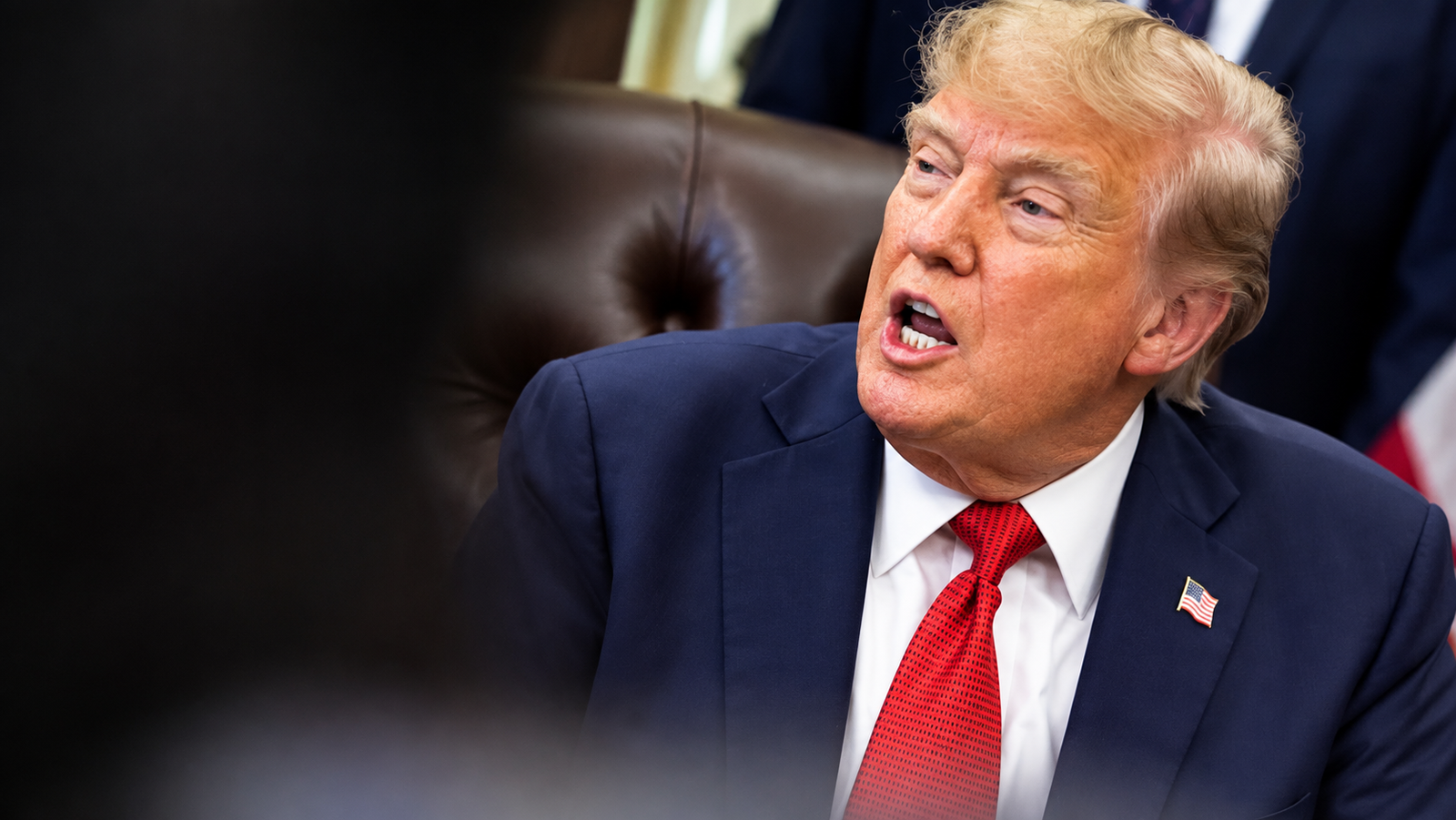
Trump signed the thing into law yesterday. The Lindsey O. Graham Sanctioning Russia and Iran Act of 2026. That’s the official name. It’s a mouthful, I know.
Basically, after months of back-and-forth, Congress finally got it done and the president put pen to paper on Friday. The bill’s named after Lindsey Graham – the South Carolina senator who pushed this hard for over a year before he passed away in July. Guy was a real hawk on Russia and Ukraine, and a lot of people in both parties treated the final votes like a send-off for him.
What does it actually do? Pretty straightforward, but it hits hard. It piles new sanctions on Russian officials, banks, oligarchs, the whole lot. And it goes after that shadow fleet of tankers Moscow’s been using to sneak oil around the world. The big new piece, though, is the tariffs. Trump now has the power to slap up to 100 percent tariffs on goods coming from the top five countries that buy Russian oil and gas. China and India are the two biggest right now by a long shot. Some European countries and others could get caught up too if they’re helping Russia dodge the rules.
It’s not automatic. That’s important. Trump gets to decide if he actually hits the button, how high the tariffs go, and who exactly is on the list. He can also waive it if he tells Congress it’s in America’s interest. The law kicks in 30 days after he signed it, so there’s a bit of breathing room. European allies that have already cut way back on Russian gas get some clearer exemptions. India doesn’t.
For India this is a real headache. We’ve been buying a ton of discounted Russian crude to keep petrol and diesel prices from going crazy at home. At times it’s been more than half our imports. Makes sense from our side – energy security first. But Washington’s been watching, and now they’ve given Trump a stick he can use if he wants. A full 100 percent tariff on Indian goods heading to the US would sting exporters badly and mess with the trade talks both sides have been trying to keep on track.
China’s in the same boat, only bigger. They’re taking about half of Russia’s crude exports these days. And with Trump meeting Xi next week, the timing feels deliberate. He can wave this around as leverage or keep it in his pocket. We’ll see.
People who backed the bill say it’s the strongest move yet to cut the cash Putin’s using to keep the war going in Ukraine. Oil and gas money has kept the Russian budget afloat even when the fighting’s been grinding. Raise the cost for the countries still buying, and maybe some of them think twice. Senator Blumenthal, the Democrat who worked on this with Graham, called it scorching sanctions meant to throttle the war machine. Strong words.
Not everyone was thrilled. A bunch of House Democrats voted no because they don’t like handing any president – especially this one – such open-ended tariff power. They pointed out Trump’s already used tariffs a lot, and the courts have pushed back before on how far he can go. Those worries didn’t stop the big bipartisan majorities, though. Senate was 86-11, House 262-159.
Oh, and it also extends the sanctions on Iran’s energy and weapons stuff for another five years. That part was added because the administration wanted it.
So where does this leave us? Trump holds the cards now. He can move fast against the big buyers, try to negotiate quieter cuts, or just let the threat hang there. India’s almost certainly going to push for some kind of waiver or at least clear signals on how they’re counting the top five. Oil markets will be watching too – any real disruption and prices could jump, which nobody needs right now.
It’s law as of yesterday. Something that started as one senator’s long fight is now sitting on the president’s desk ready to use. Whether it actually forces Russia to talk peace or just reshuffles who’s buying whose oil… hard to say yet. But the authority’s there, the clock’s ticking, and the countries still taking Russian barrels suddenly have a lot more math to do.
Sources: White House statement on the bill signed September 18, Associated Press, Reuters, The Guardian, CBS News, BBC, Financial Express, Indian Express, and the energy tracking numbers from the Centre for Research on Energy and Clean Air.
@Rohit Manral