
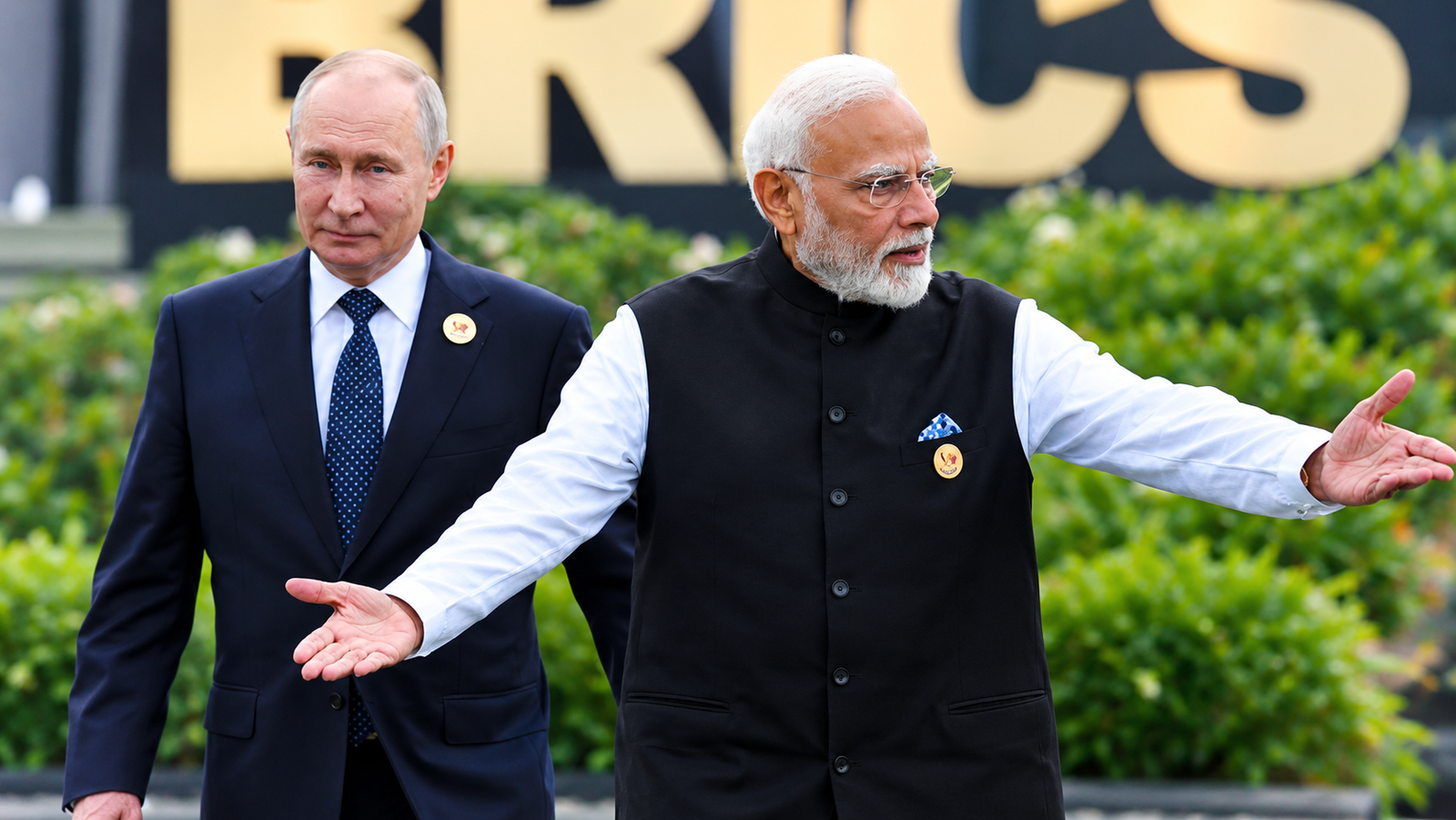
Congressman Steny Hoyer put forward an amendment that lists out the countries that could get hit with 100 percent tariffs. The list includes China, India, Turkey, Azerbaijan, Hungary, Slovakia, the UAE, Singapore, Kazakhstan and Kyrgyzstan. The House Rules Committee made these amendments public on Monday. They only have about four working days left before the House goes into early recess for the midterms, so everything’s moving fast.
The main bill already passed the Senate last month by a huge margin, 86 to 11. It’s called the Lindsey O. Graham Sanctioning Russia and Iran Act, named after the late senator who had been pushing this for a long time. The idea is to go after Russia’s leadership, its energy sector, and that shadow fleet of tankers they use to sneak oil around the sanctions. It also gives the president the power to slap heavy secondary tariffs on the biggest buyers of Russian oil and gas.
The Senate version never actually named the countries. It just talked about the five largest importers by volume. Hoyer’s amendment makes it specific. That doesn’t mean India automatically gets hit with 100 percent tariffs the day the bill becomes law. It just puts India on the list of countries that could face those duties if the president decides to use the power.
There’s pushback from the other side too. Congressman Gregory Meeks, also a Democrat, has put in an amendment that would completely scrap the section that gives the president this broad tariff power. He’s been against handing over more of that authority for a while now. His amendment has three co-sponsors. He’s also proposed a way for the president to waive certain sanctions for 90 days at a time if it’s considered vital for national security, and another amendment that would allow $15 billion in direct loans to Ukraine for defense stuff.
The whole point of the bill, according to the people supporting it, is that Russia’s oil sales are still funding the war in Ukraine. They want to dry up that money by putting pressure on the countries buying the oil. India has been one of the biggest buyers of discounted Russian crude since 2022. At times it’s made up more than 40 percent of India’s oil imports. India has always said it’s just about energy security and getting the best deals, nothing political.
Earlier versions of this idea talked about tariffs as high as 500 percent. They later brought it down to 100 percent and limited it to the top buyers. Even at that level, it would still be a serious hit if it ever got used.
Some lawmakers aren’t convinced this is the smart way to go. They worry about damaging ties with India and about American companies and consumers ending up paying the price through higher costs. The Senate already rejected attempts to remove the tariff language, but the House is still arguing about it.
The shadow fleet part of the bill is less contested. A lot of people on both sides are frustrated with how Russia keeps moving oil through these older tankers and complicated ownership setups.
Right now it’s a waiting game to see which amendments stick. Will they keep India’s name in there, or will Meeks manage to get the whole tariff section taken out? The House has to pass something before they break for recess, or the whole thing could drag into after the elections.
For India this comes at a time when trade relations with the US are already a bit complicated. So far the approach from the Indian side has been quiet diplomacy while continuing to buy from different sources. But having the name written into an amendment like this raises the stakes. If the bill becomes law and someone later decides to use that power, the economic impact wouldn’t be small.
That’s where things stand as of now. The next few days will show whether they go for the harder, more specific version or something with more flexibility built in.
Sources:
Reporting from The Hindu, PTI (carried by News18 and Hindustan Times), and India Today, based on the House Rules Committee listing of amendments and the Senate passage of the bill in August 2026.
@Rohit Manral