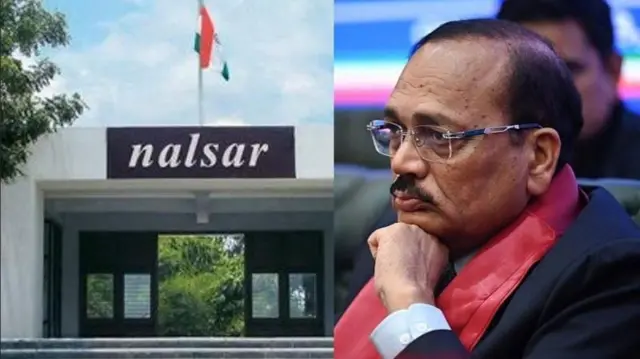
It all unfolded in a matter of hours on Thursday, and it left a lot of people in the legal world quietly shaking their heads. The Bar Council of India first slammed the door shut on an entire batch of law graduates from NALSAR University of Law in Hyderabad, then quickly opened it again. The reason for the whole mess was a group of students who didn’t want Chief Justice of India Surya Kant as the chief guest at their convocation.
Around 450 students, out of NALSAR’s roughly 1,400, had written to the university administration a few weeks earlier. They asked the authorities to think again about inviting the Chief Justice. Their discomfort came from some remarks Justice Surya Kant made in court in late July. A petition about alleged police excesses during protests in Delhi had come up, and when lawyers offered to show video clips, the Chief Justice reportedly said the court didn’t have time to watch them and shouldn’t waste time on that. The students felt this didn’t sit right with the values they had been taught at NALSAR—things like constitutional rights, access to justice, and treating people’s grievances seriously. Some of the letters were quite direct. A few even referred to earlier comments the Chief Justice had made about young people, though he later clarified those were only about people with fake degrees.
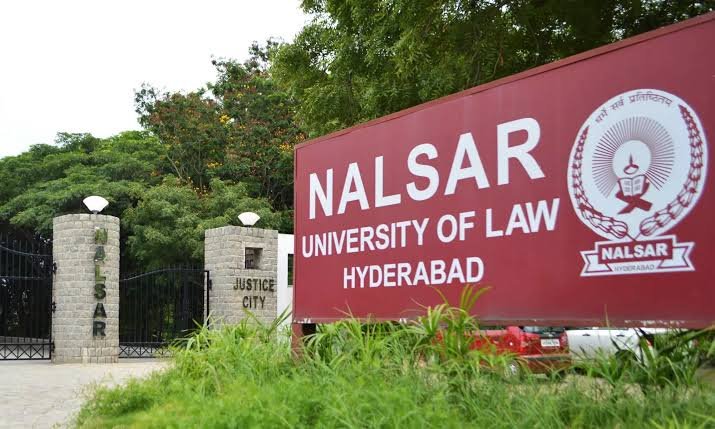
NALSAR has a long tradition of inviting the sitting Chief Justice to speak at its convocation. The university hadn’t even announced the date or confirmed the guest yet, but the students’ letters created an uncomfortable situation. Some faculty members were already whispering that the ceremony might simply be cancelled this year to avoid further awkwardness.
Then on Thursday morning the Bar Council of India stepped in hard. Chairman Manan Kumar Mishra sent out a directive to every state bar council: do not enrol any student who got a law degree from NALSAR in 2026 until further notice. The letter painted a rather dark picture. It talked about an “organised campaign,” claimed there was groupism and dirty politics among some teachers, and suggested a handful of faculty members and outsiders had egged the students on. A law student who shows no respect for the highest judicial office in the country, the Council said, cannot be expected to become a proper advocate, teacher or judge. Such a person would be a liability to the profession.
The BCI ordered NALSAR’s Vice-Chancellor to send a detailed report within three days, naming the main people who started, wrote, circulated or pushed the campaign, along with all the letters and the list of who signed them. A final call was supposed to be taken on 19 August. The Council was careful to say it wasn’t yet declaring anyone unfit under the Advocates Act, but it warned that letting students enrol while the inquiry was on would make the whole process pointless.
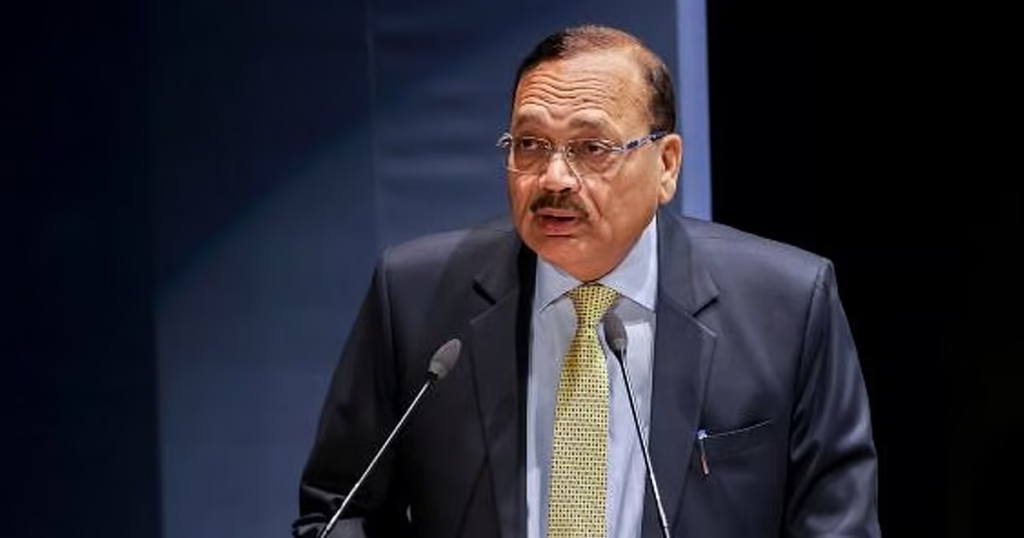
The reaction from the bar was swift and mostly critical. Senior advocate Sanjay Hegde called it an absolute abuse of power and way beyond the BCI’s jurisdiction. He said you simply cannot punish an entire graduating batch for something only some of them did. Another senior lawyer, Mrinal Kumar Choudhury, said the students had been condemned without even being given a chance to speak. Professor G. Mohan Gopal described the move as excessive and counterproductive, pointing out that peaceful protest is a basic right and that the BCI seemed to be trying to impose collective punishment.
Not everyone was against the Council. Senior advocate S. Basavaraj felt the BCI was right. He said the practice of law comes with responsibilities, and freedom isn’t absolute. In his view the students had twisted the Chief Justice’s words and given them a political spin they didn’t deserve.
Then, within hours, the BCI changed its mind. A new circular went out. After discussion among the members, the Council decided that the large majority of the 2026 batch were innocent and had never wanted to show any disrespect. All NALSAR students could now go ahead and enrol with whichever state bar council they chose. The inquiry into the campaign would still continue, and further action would be taken only after the Vice-Chancellor’s report came in. The letter repeated that a few teachers and outsiders had apparently instigated the students, but it also made a clear point: no student should suffer if they themselves had done nothing wrong.
So the ban was gone almost as quickly as it arrived. The students can now register and start their careers. But the questions remain. Who exactly organised the campaign? How far did a few teachers or outsiders really push things? And where exactly is the line between students speaking their minds and conduct that a professional body finds unacceptable?
For the young people who just wanted to finish their studies and move on, the whole episode must have felt like a sudden and unnecessary storm. One day their enrolment was blocked, the next day it was fine again. The Vice-Chancellor’s report is still expected, and that will decide whether the matter ends quietly or leads to further steps against specific people. Until then, at least the graduates of one of India’s better-known law schools are free to take the next step without a collective cloud hanging over them.
Sources:
The Indian Express, ThePrint, Bar & Bench, Times of India, The Hindu.
@Rohit Manral