
That’s exactly what so many families across India have been feeling lately with the NEET mess. On Tuesday, Prime Minister Narendra Modi finally spoke from the heart about it, calling the leak a “ghor paap” – a grave, unforgivable sin – during the NDA Parliamentary Party meeting in New Delhi. His words weren’t just political talk; they carried real anger and a promise that those responsible won’t get away easily.
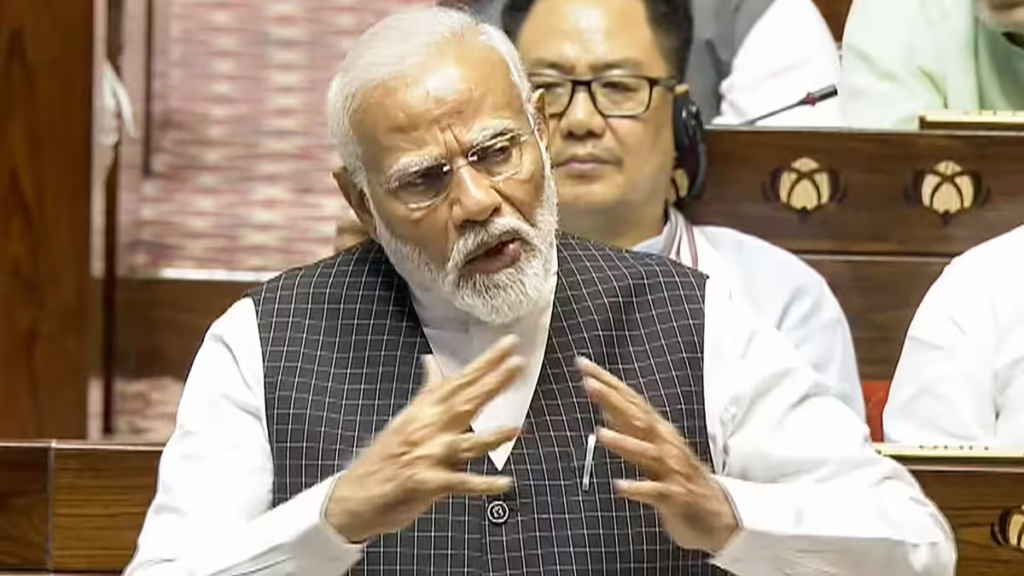
Modi didn’t dodge the issue or sugarcoat it. He said preventing these leaks is a national responsibility, something every Indian – no matter which party they support – should stand up against. He reminded everyone that the moment the news of the leak came out, the government jumped into action. Thirteen people have already been arrested and put behind bars. They held a re-exam in June so students wouldn’t lose precious time, and results for more than 11 lakh qualifiers came out without dragging things on forever. For worried parents and anxious kids, that bit of speed must have felt like a small lifeline in a stormy sea.
But let’s be honest – this scandal has shaken faith badly. NEET isn’t some ordinary test. For lakhs of bright young souls from small towns, villages, and middle-class homes, it’s the only fair shot they have at a respected career in medicine. Coaching classes, late nights with textbooks, and family sacrifices build up to that one day. When whispers of leaks start circulating, it feels like the rug is pulled from under their feet. “Why did I work so hard if someone could just buy the paper?” – that’s the silent cry echoing in many homes right now. Modi seemed to get that pain. He didn’t treat it lightly.
What struck me most was how he framed it morally. “Ghor paap” – those words carry weight in our culture. It’s not just a crime; it’s a sin against the future of our youth. It betrays the trust that hard work and merit should be rewarded, not connections or cash. The Prime Minister urged all political parties and states to come together, drop the blame game, and build a system so tight that leaks become impossible. No more playing politics with our children’s futures, he basically said.
Parliamentary Affairs Minister Kiren Rijiju later filled in more details for everyone. The government acted fast, arrests happened, re-test was prioritized, and they made sure the academic calendar didn’t collapse. The NDA meeting also highlighted bigger progress: medical seats have jumped 81% to about 1.36 lakh now, giving more chances overall. And there’s a new law from 2024 that cracks down hard on exam cheating rackets. Still, as any parent knows, numbers and laws mean little if the implementation fails when it matters most.
On the ground, the anger hasn’t cooled. Students and opposition parties are protesting, demanding more heads to roll and fuller transparency. Some want the Education Minister to step down. Social media is full of heartbreaking stories – kids whose scores tanked in the re-exam, families feeling cheated twice over. The National Testing Agency has hit back at some viral claims, saying certain low-score screenshots were fake or AI-made. They’ve checked original OMR sheets and warned that spreading fakes could land people in trouble under the new anti-cheating rules. But doubts linger, and courts might see more cases soon.
One mother from Uttar Pradesh told me her son gave up sports and movies for two years straight. Another father in Tamil Nadu sold some family land for coaching fees. These aren’t statistics; these are real dreams hanging in the balance. When leaks happen, it doesn’t just spoil one exam cycle – it plants seeds of cynicism in an entire generation. “Is merit even real anymore?” they start wondering.
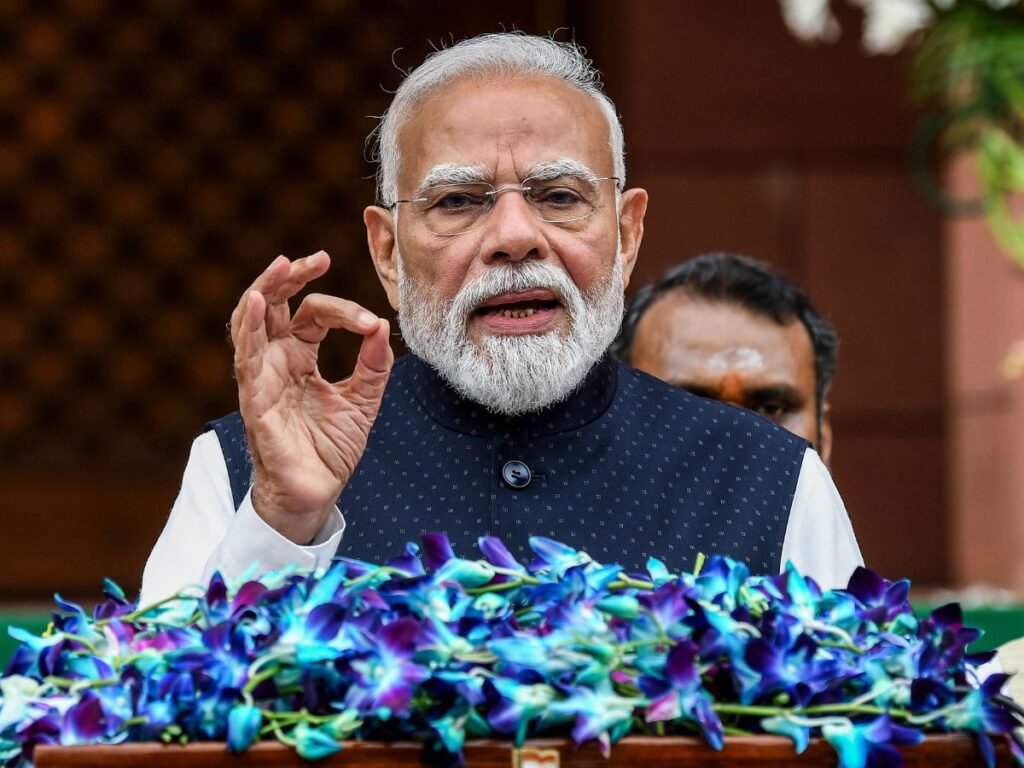
Modi’s appeal for unity in Parliament felt timely. In our noisy democracy, everything becomes a political weapon eventually. But education and youth deserve better. He wants everyone to focus on fixing the system – better security for question papers, stronger checks on coaching empires that sometimes operate like parallel syndicates, and quicker punishment for the guilty. Technology can help: safer digital handling, surprise audits, biometric safeguards. But at the core, it needs honest people running the show and zero tolerance for corruption.
This isn’t the first leak we’ve seen in India. State boards, other entrances – the problem keeps popping up because the rewards are huge and enforcement sometimes weak. What makes NEET different is the sheer scale and the desperation it creates. Over 20 lakh students appear, chasing limited seats. The pressure cooker was already boiling; the leak just blew the lid off.
As the dust settles a bit, students are now looking ahead to counseling and admissions. Many are breathing easier knowing results are declared, but the scar remains. Parents want lasting change so their younger kids don’t face the same nightmare. The Prime Minister has drawn a line in the sand with strong words and early arrests. Now the real test is whether the system delivers justice fully – catching the big fish, not just the small fry, and rebuilding trust brick by brick.
In the end, this is about something bigger than one exam. It’s about telling our young people that their efforts matter, that India values fairness, and that no “ghor paap” will go unpunished. Modi’s message Tuesday felt like a father’s stern promise to protect his children’s future. If he and the system follow through, it could heal some of the hurt. Our youth deserve nothing less.
Sources:
- Prime Minister’s remarks and updates from the NDA meeting shared by Kiren Rijiju (DD India, official briefings).
- Reports from The Hindu BusinessLine, Instagram/Facebook verified handles, and Moneycontrol coverage.
- NTA responses on re-exam and forged claims.
- Government statistics on medical seats and 2024 anti-unfair means law.