
The Cockroach Janta Party folks – yeah, the ones who turned online satire into a full-blown street movement – just had a meeting with Union Minister JP Nadda, and they came out saying the government is finally starting to pay attention. “We made the govt bow and listen to us,” one of their spokespersons put it, and you could almost hear the mix of exhaustion and quiet triumph in those words.
Saurav Das and Ashutosh Ranka sat down with Nadda and laid out what the protesters have been shouting for days: get Education Minister Dharmendra Pradhan out, fix the mess of paper leaks that have ruined so many lives, and make sure the families who lost kids to this nightmare get some real answers. Nadda listened and said he’d raise it at the right levels.
The thing is, they didn’t pack up and go home. The protest kept going right there at Jantar Mantar. When they tried to march towards Parliament on the first day of the monsoon session – calling it “Chalo Sansad” – things got tense fast. Police had already put up barricades and said no big processions allowed. What followed was the kind of chaos you see in these moments: pushing, lathi charges, people getting detained, and injuries reported on both sides. Some protesters talked about a suspicious truck with stones nearby, wondering what that was about. Delhi Police said they were just doing their job to keep order.
These are students and young people who’ve watched their hard work get crushed by leaks in exams like NEET. Over 20 student deaths linked to the stress and despair – that’s not a statistic you shrug off. Families are broken. Futures feel stolen. Sonam Wangchuk’s hunger strike added that extra layer of urgency, and Abhijeet Dipke, the guy who started CJP as a bit of a joke online, has been right there leading from the front.
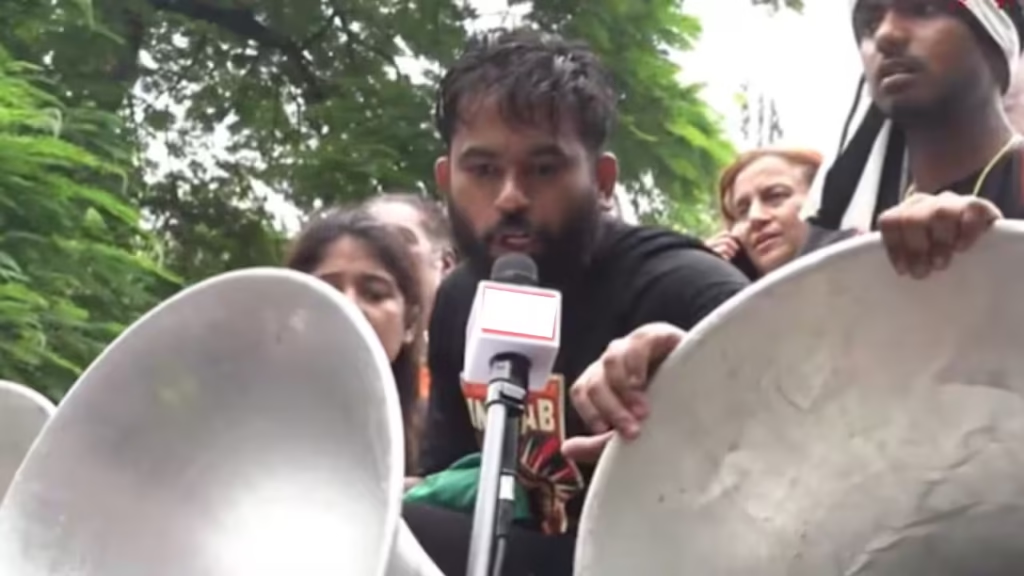
Walking around Jantar Mantar, you’d see kids from all over, holding Indian flags, some banging plates in frustration, others just sitting with placards that said things like “Education is our right.” They kept reminding each other to stay peaceful, carry the Tiranga, and not turn it into a party-political thing. But when the march tried to move, the clashes happened anyway. Metro stations got crowded, roads jammed up, and the whole area around Parliament felt locked down.
The frustration runs deep. One young protester I heard about said it plain: they study day and night, compete like crazy, and then the system lets them down with scams and silence. That pain is what’s keeping them there, tents still pitched, voices not giving up.
On the other side, the government and police are walking a tightrope. They say the march wasn’t permitted, especially with Parliament in session, and they had to maintain peace. Opposition voices called it heavy-handed. Meanwhile, that meeting with Nadda shows someone at least decided to talk.

As the day wound down, the energy at Jantar Mantar hadn’t died. Protesters made it clear they’re not packing up until they see real change – Pradhan’s removal, fixes in the exam system, and some accountability. This “cockroach” movement, which started as memes, has grown into something bigger, pulling in students, activists, and even support from farmer groups.
It’s the kind of thing that makes you pause. India’s young people are saying loud and clear that when education fails them, they won’t just sit quietly. They’ve already forced a conversation at the top. Whether it leads to meaningful fixes or more standoffs, one thing’s sure – these voices aren’t disappearing anytime soon. In the middle of Delhi’s usual noise, this feels like something genuine, something human.
Sources:
Times of India, Reuters, NDTV, BBC reports on the protests and meeting, along with updates from the ground at Jantar Mantar and official police statements.