
The Russia-Ukraine war that’s got the energy markets buzzing. You know how Russia has been one of the biggest oil players on the planet, pumping out crude and products left and right? Well, right now, they’re in a proper bind. Ukrainian drone strikes have smashed up so many of their oil refineries that the country is staring at fuel shortages, long queues at gas stations, and rising prices. And guess who they’re turning to for help? India – the same country that’s been happily buying discounted Russian crude for years and refining it into petrol and other stuff.
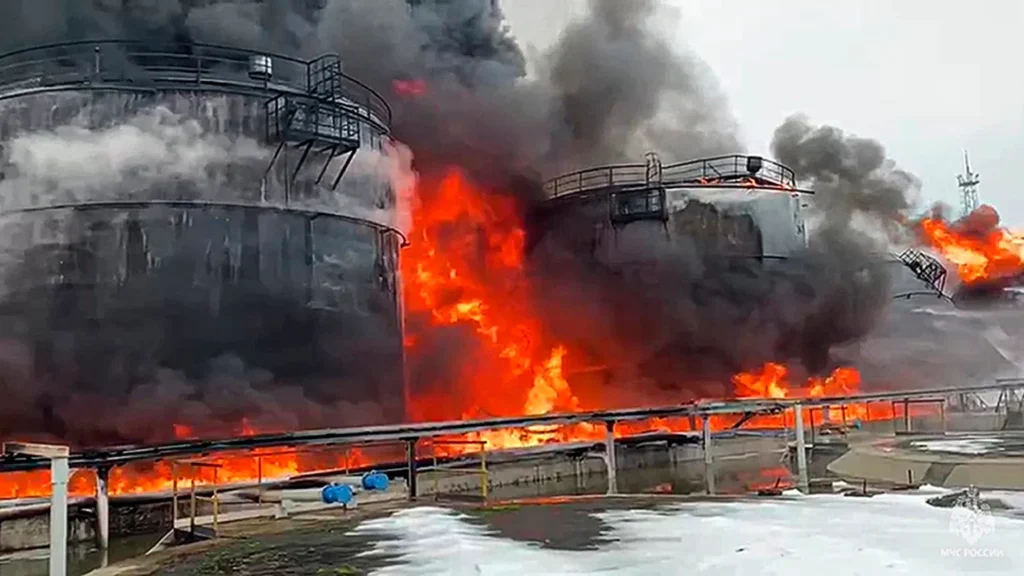
Over the last year or so, especially ramping up in 2025 and into 2026, Ukraine has shifted its strategy. Instead of just hitting border areas, they’ve been sending long-range drones deep into Russian territory to target refineries. Places like the Moscow refinery have taken multiple hits. According to reports, the Moscow plant alone used to process millions of tons of oil a year, producing huge amounts of petrol and diesel. Now? It might not be back online properly for the rest of 2026.
Ukrainian forces claim they’ve hit all 11 of Russia’s largest refineries at some point. In May and June 2026 alone, multiple facilities went down, knocking refining capacity to levels not seen in decades. Daily petrol production has dropped way below what the country needs, especially with summer demand for driving and farming. Russia normally needs around 110,000 tons of gasoline a day at peak times, but operational refineries are only managing about 85,000 tons. That gap? It’s hurting.
The fallout is real for ordinary Russians. People are seeing higher fuel prices, restrictions on sales in some areas like Crimea, and even talk of panic buying. Authorities have restricted exports of gasoline and aviation fuel, and they’re considering a full diesel export ban. Deputy Prime Minister Alexander Novak and others have been open about looking at imports to stabilize things. Kremlin spokesman Dmitry Peskov even said they’re in talks with friendly countries.
Enter India. Reports say Russia has already taken delivery of around 60,000 metric tons of Indian petrol, shipped on two tankers from places like Nayara Energy’s Vadinar refinery in Gujarat. Traders are talking about Russia potentially importing up to 400,000 tons a month from India and others to plug the hole. Indian Petroleum Minister Hardeep Singh Puri has clarified that Indian companies aren’t selling fuel directly to Russia in a straightforward way, but through international traders – which makes sense given the sanctions web everyone’s navigating.
This is a fascinating flip. India has become Russia’s top buyer of crude oil since the war started. In June 2026, India sucked up a record 2.66 to 2.7 million barrels per day from Russia – over half of its total crude imports. Indian refineries are beasts; Reliance’s Jamnagar complex is one of the most complex in the world. They take that discounted Russian crude, process it efficiently, and export products all over the globe. Now some of those products are circling back.
From India’s side, it’s smart business. The country imports nearly 90% of its crude, so buying cheap Russian oil helps keep costs down and refineries humming. They export a big chunk of their refined products anyway – petrol, diesel, jet fuel – to dozens of countries. Helping fill Russia’s gap just adds another customer, even if it’s indirect. Economists point out India’s thin strategic reserves mean they have to play this balancing act carefully, but their refining edge gives them leverage in a messy global market.
Of course, this isn’t without complications. Sanctions, shipping insurance, payment channels – it’s all tricky. But Russia needs the fuel to avoid bigger domestic headaches, especially with the war grinding on and their economy under pressure. Ukraine, on the other hand, sees these strikes as a way to hit Russia where it hurts: their war machine’s fuel supply and export revenues. Each refinery hit reduces Russia’s ability to fund the conflict while creating headaches at home.
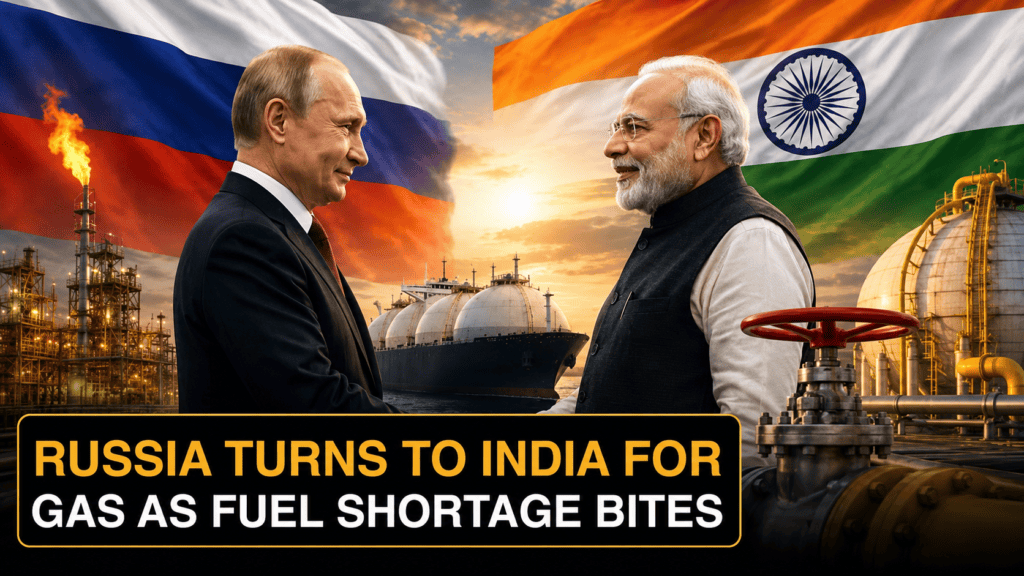
Analysts are watching closely. Russia might ramp up repairs, but drone attacks keep coming – recent strikes hit facilities in Bashkortostan and Krasnodar. Rebuilding takes time and money, and in the meantime, imports are a quick fix. For India, it strengthens ties with Russia while maintaining relations elsewhere. It’s classic multi-alignment diplomacy: buy cheap, refine smart, sell where there’s demand.
Zoom out a bit, and this story shows how interconnected energy markets really are. A conflict halfway across the world ripples into tanker routes from Gujarat to Russian ports, gas station lines in Siberia, and price boards in Europe. Russia, once the exporter king, buying back its own oil in refined form from a rising Asian power. India quietly becoming a global refining hub that even superpowers lean on in a pinch.
Ordinary people feel it too. Russian drivers grumbling about queues and prices. Indian refineries running extra shifts. Farmers and truckers in both countries depending on steady fuel. And in Ukraine, resilience mixed with the grim reality of a prolonged war.
As things stand, Russia is expected to keep leaning on these imports through the summer and beyond until they can get more refineries back up. Whether this becomes a longer-term arrangement or just a crisis patch remains to be seen. But one thing’s clear: in today’s world, no country is an island when it comes to energy. Friends, former partners, and strategic buyers step in when the refineries go dark.
This situation could evolve fast with more strikes or diplomatic moves. For now, it’s a reminder of how adaptable – and sometimes ironic – global trade gets under pressure. Stay tuned, because the energy chessboard never stops moving.
Sources:
- Reuters reports on refinery damage and fuel imports (June-July 2026)
- The Hindu coverage of Ukraine’s drone campaign and Russian fuel crisis
- Indian narrative and expert analyses on India-Russia energy ties
- Public reports from energy trackers and media on import volumes and refinery impacts