
India’s Strong Message To Iran After Sailor’s Death In Hormuz Ship Strike. An Indian sailor lost his life in the Strait of Hormuz after Iranian missiles hit two oil tankers. A few more of our guys got hurt badly. And India has now sent a strong, clear message to Iran: this is not okay.
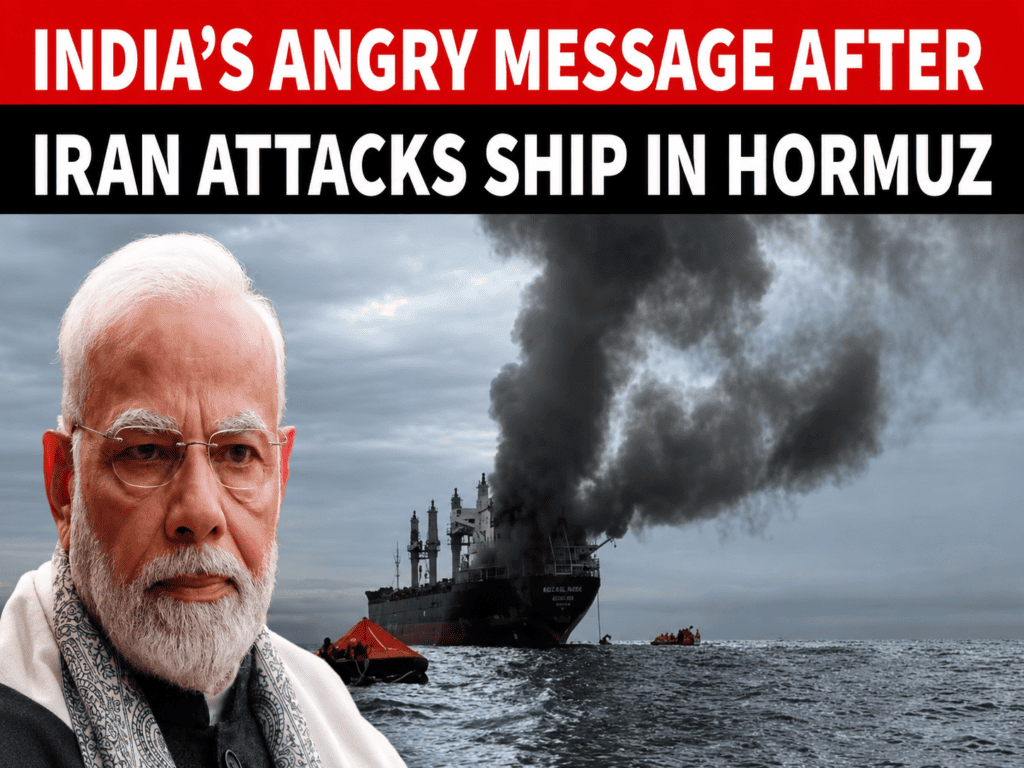
Picture this. These tankers were moving through one of the busiest, most important waterways in the world—the Strait of Hormuz. Almost 20% of the world’s oil passes through there. On July 14, 2026, two Emirati-owned vessels got struck. One Indian crew member on the Mombasa was killed right away. Six other Indians and a couple of others were wounded, some seriously. These aren’t fighters or spies. They’re regular seafarers—fathers, sons, brothers from our coastal towns—who leave home for months to keep the world’s trade running. One moment they’re working in the engine room, the next… you don’t even want to think about it.
Back here in India, the reaction was quick and firm. Our Foreign Ministry called in Iran’s Deputy Chief of Mission, Mohammad Javad Hosseini, to New Delhi. They sat him down and gave a strong protest. “Deep concern” is what they called it, but the tone was serious—this cannot keep happening to our people. The meeting happened, and while we don’t have every word that was said, the message is loud: India is watching, and we expect better.
Hormuz has been tense for a while now—US-Iran stuff, ceasefire talks that fell apart, missiles flying. Earlier this year there were other incidents where Indian sailors paid the price. Families in Gujarat, Kerala, and other places are used to the risks of sea jobs, but nobody signs up to get caught in someone else’s war. When you hear about an engine room hit and a young man gone just like that, it stays with you. The injured ones are getting treatment, and I hope every single one pulls through and makes it home safe.
Let me tell you why this matters to all of us, even if you don’t have a relative at sea. India buys a lot of oil from that region. When shipping gets risky, tankers take longer routes, costs go up, and eventually that shows up at our petrol pumps and in the price of almost everything. Markets got jumpy after this. Families waiting for calls from loved ones are anxious. And honestly, as a country with so many people working abroad and on ships, we have a right to say: keep our civilians out of your crossfire.
India’s approach feels balanced but strong. We talk to Gulf leaders, we stay engaged, but we also make it clear that free and safe navigation isn’t optional—it’s essential. No more excuses about “deception” or navigation systems. Protect the people moving goods, or at least don’t target them. That’s the bottom line.
On the human side, think about the families. One sailor won’t come home. Others are in hospital beds far away. These guys work hard so their kids can study, so parents can have support. Losing one in an attack like this leaves a hole that no statement can fill. That’s why the government’s support—medical help, bringing people back, compensation—has to be real and fast. Our merchant navy keeps the economy breathing. We need to look after them better, maybe with stronger advisories, better coordination, or more naval presence if things get worse.
Diplomacy-wise, summoning the envoy is the standard first step, but the firmness this time sends a signal. India isn’t interested in getting dragged into the bigger conflict, but we will stand up when our citizens are hit. It’s the kind of practical, no-nonsense response that feels right for us—protect our interests without unnecessary drama, but don’t let anyone walk over us either.
Look, the world is complicated. Iran has its side, others have theirs, but when innocent sailors die, that’s where we draw the line. We all want de-escalation. We want those sea lanes open and safe again. Because at the end of the day, this isn’t abstract geopolitics. It’s about real people trying to earn a living and get home to their loved ones.
I hope the coming days bring some calm and accountability. Our sailor’s family deserves justice and peace. The wounded guys need full recovery. And India’s message should remind everyone that we care deeply about our people, wherever they are. Let’s keep them in our thoughts.
Sources:
- The Hindu (casualty and incident details)
- NDTV & Firstpost (India’s diplomatic response and summoning of envoy)
- UAE Ministry statements and multiple news reports confirming the timeline and context.