
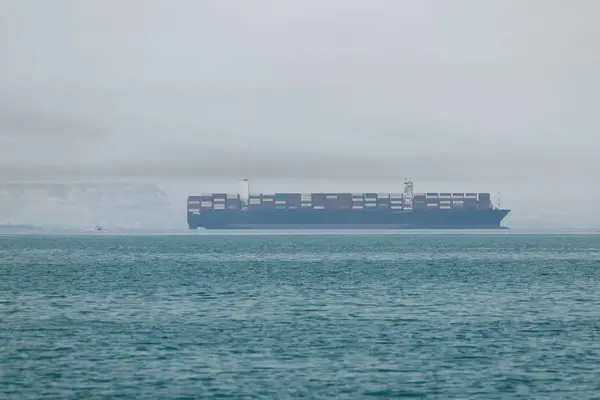
The Strait of Hormuz, that narrow throat through which a huge chunk of the world’s oil flows every single day. For weeks, things had calmed down a bit after a fragile interim ceasefire between the US and Iran. Ships were starting to move again, cautiously. But now? Attacks have picked up, projectiles hitting vessels, tensions spiking, and that truce is looking shakier than ever. And caught in this mess are at least nine fully loaded Indian-bound tankers—carrying crude oil and liquefied petroleum gas (LPG)—waiting in the Persian Gulf, their crews anxious, their cargoes critical for our energy needs back home.
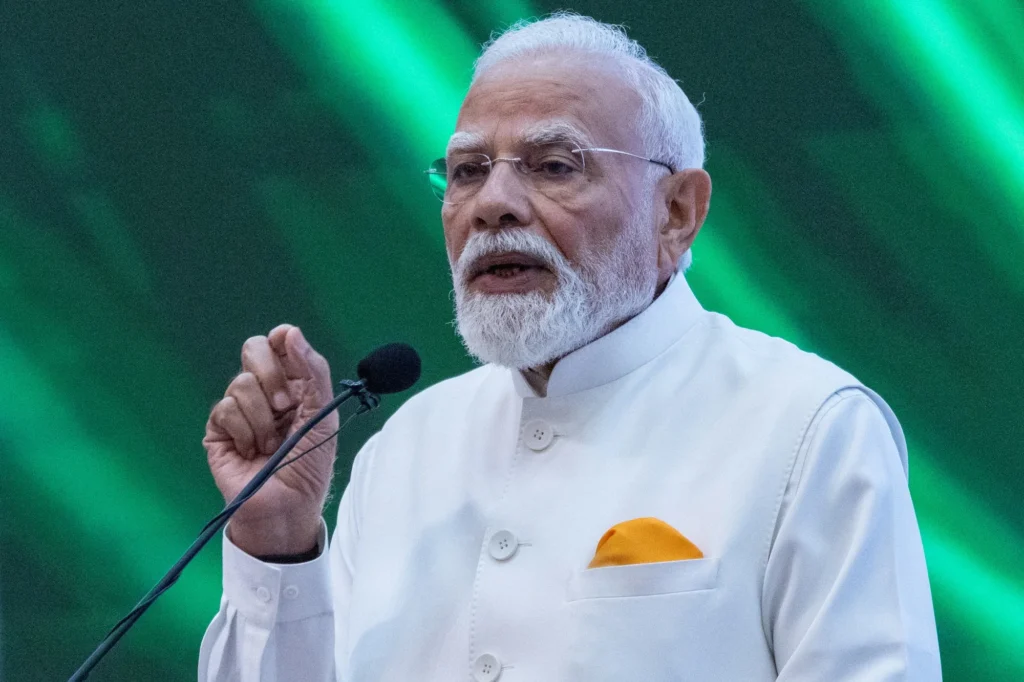
Prime Minister Narendra Modi’s government is on it. Officials are closely tracking these ships, and one of the options on the table is sitting down with Iran to secure safe passage. It’s not about grandstanding; it’s practical diplomacy. India has hundreds of seafarers out there—reports mention around 22 Indian-flagged vessels and over 600 Indian crew members still in the region.
LPG is lifeline stuff for millions of Indian households, especially in rural areas where clean cooking fuel has transformed lives. Crude oil keeps our refineries humming. Any disruption here doesn’t just hit the balance sheets; it ripples into higher fuel prices, potential shortages, and worry for everyday folks. That’s why New Delhi is moving carefully but urgently.
The broader picture is messy. The US has carried out strikes, Iran has responded in kind, and commercial shipping has taken hits. Some tankers have been attacked recently, raising fears of escalation. Yet, a handful of vessels have still trickled through in the early hours, showing that the strait isn’t completely closed—but the risk is real. Ship owners are hesitant, insurance costs are probably skyrocketing, and the global energy market is watching nervously. Oil prices, already volatile, could feel the pinch again.
For India, this isn’t new territory. We’ve been here before during earlier flare-ups. Remember Operation Sankalp or those naval deployments to escort our ships? The Indian Navy has stepped up in the past, and there’s always that quiet coordination happening behind the scenes. But this time, with the truce faltering, it’s a reminder of how much we depend on stable sea lanes. India imports a big portion of its energy from the Gulf region. Stability there directly feeds our economic growth story—the one we’re all invested in, from factories in Gujarat to farms in Punjab.
What makes this particularly human is the human cost. Indian seafarers have been among those affected in past incidents—some injured, stories of close calls. No one wants to see more of that. That’s why talks with Iran matter. Tehran has, at times, shown willingness to facilitate passage for “friendly” nations like India, even as it keeps tighter controls elsewhere. There might be some give-and-take—perhaps involving seized vessels or other diplomatic threads—but the focus remains on safe navigation.
As someone watching from afar, you can’t help but feel a mix of concern and quiet pride in how India handles these situations. We’re not a superpower throwing weight around; we’re a nation that values its people and its economy, negotiating in a tough neighborhood. The nine ships are the immediate worry, but this is also about the bigger flow of trade that keeps our 1.4 billion lives moving forward.
Let’s hope cooler heads prevail soon. A more lasting understanding in the Gulf would benefit everyone—reduced risks for sailors, steadier energy prices, and a bit more peace of mind for all of us. In the meantime, our diplomats and navy are doing the unglamorous but vital work. And those tankers? Here’s wishing them a safe, uneventful journey home.
Sources:
- Bloomberg: “India Seeks Safe Hormuz Passage for Nine Ships as Truce Falters” (July 8, 2026)
- The Economic Times coverage on the same developments
- Reuters and other reports on India-Iran diplomatic engagement and regional shipping situation
- Background from Al Jazeera, Hindu BusinessLine.