
Listen, if you’ve ever used a VPN to watch something that’s blocked in India, check your messages without worrying, or just feel like someone’s not breathing down your neck online, this one’s going to hit close to home. The government is planning a pretty big move against these web privacy tools, and from what we’re hearing, it’s more serious than the last attempts. They’re working on a whole new set of rules that could make VPN companies set up real offices here and put local people in charge who have to answer straight to the authorities.
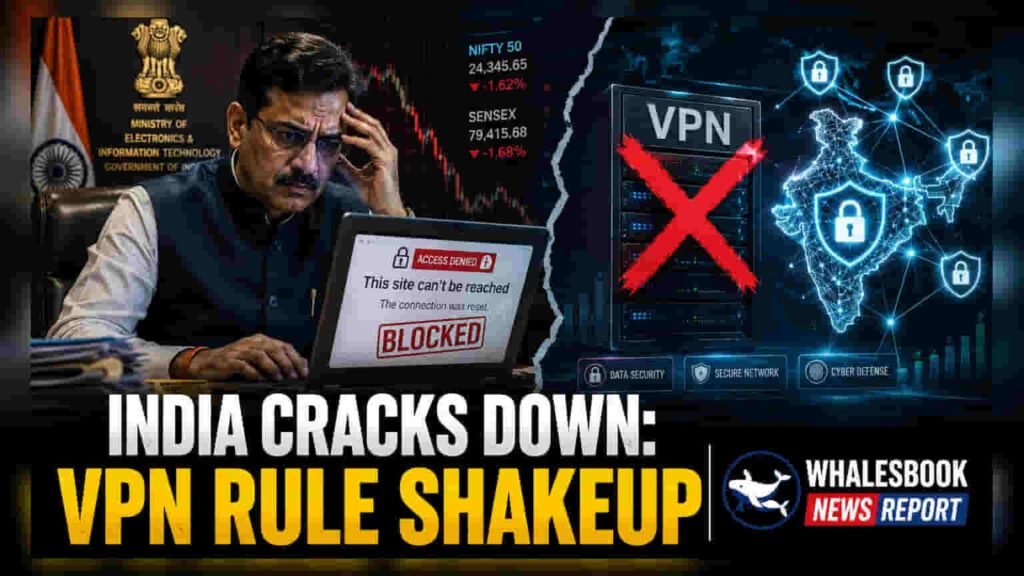
VPNs have become super common – millions of us use them quietly every day. They hide your real location, let you jump over blocks on apps or sites, and give you some breathing room for privacy. But the folks in power see them as a problem because too many people are using them to get around official bans on content, apps, and all that.
This isn’t the first time. Back in 2022, they brought in these CERT-In rules that basically told VPN companies to keep logs of who their users are – names, emails, phone numbers, IP addresses, even why you’re using it – for five whole years. A bunch of the good ones, the ones that actually care about not keeping your data, just said nope. Proton, Nord, ExpressVPN, Surfshark – they pulled their servers out of India and started serving us from places like Singapore. That way they could still work here without handing over your info.
But apparently that didn’t satisfy the government. Now they’re talking about going further with a proper law. The idea is to force these companies to have a real presence in India – offices, compliance officers who can quickly handle government complaints. If they mess up, the local staff could even face jail time. It’s modeled after what they already make big social media platforms do. The main complaint from officials is that VPNs make their content blocking useless. You block something in India?
Think about what happened just last month with Telegram. They blocked it temporarily because of the NEET exam mess. People rushed to VPNs like crazy – one company said sign-ups from India jumped more than 120 percent in a day. That stuff gets noticed. And suddenly the guy from ProtonVPN who mentioned it had his account restricted here. It’s clear the authorities are frustrated that their blocks keep getting worked around.
India has been blocking more and more stuff online. Thousands upon thousands of orders every year now. It’s not just illegal stuff; it’s apps, websites, accounts – you name it. The government says this is about security, stopping cyber threats, preventing cheating in exams, fighting fake news, all of that. And honestly, some of those concerns make sense in a huge country like ours. But a lot of regular people just want to browse freely or protect their own data from prying eyes.
The flip side is pretty worrying for anyone who cares about privacy. VPNs are supposed to be tools that protect you. Making companies keep detailed records and actively help block content turns them into something else entirely. Digital rights groups have been calling this out for years – it goes against the whole point of these services. Some providers have compared India’s rules unfavorably to even China or Russia in the past. That’s heavy.
If this new framework comes through, it could push more honest VPN companies to either leave the market or water down what they offer. Then what? People might turn to random free VPNs that are probably selling your data anyway. Or businesses that need secure connections for work could get squeezed. Journalists, activists, and everyday folks who value anonymity might feel more exposed.
With everything moving online – banking, education, news, politics – there are real risks out there. But there’s a balance to strike. Forcing local offices and compliance people means the companies have to play by Indian rules no matter where their main servers are. It makes enforcement easier for the state, but it chips away at that private space we all assumed we had online.
Right now, using a VPN isn’t illegal for regular citizens. No one’s coming to knock on your door for having one installed. But the tools themselves are under pressure like never before. We’ve seen apps get removed from stores, warnings issued, and now this push for a fuller legal setup.
This whole thing fits into the bigger story of how India’s internet is being shaped. More rules for platforms, more takedowns, more focus on “accountability.” Supporters will say it’s necessary for order and safety. Critics worry it’s becoming too controlling and hurts free expression and personal privacy in the long run.
It’s complicated. But as someone who values being able to explore the web without feeling watched all the time, this news makes me pause. A lot of us rely on these privacy tools for innocent reasons – catching a cricket match stream, reading international news, or just avoiding targeted ads and tracking.
Have to wait and see the exact details when (or if) they introduce the actual legislation. Things can still evolve. But the direction is pretty clear: the easy days of VPNs quietly working around restrictions might be numbered.
In the end, it’s about finding that sweet spot between keeping the country safe and letting people have some control over their own digital lives. Right now, it feels like the scales are tipping one way. Stay informed, folks – and maybe keep an eye on how your favorite VPN responds to all this.
Sources:
- The Indian Express article from July 3, 2026
- MediaNama coverage on the same
- Past reports on CERT-In rules and recent blocks