
Millions of devotees poured their hearts—and their hard-earned money—into those donation boxes, thinking it was going straight to Lord Ram. But now, just a couple of years later, we’re hearing about cash vanishing, staff caught on camera, and recoveries of lakhs stuffed under cow dung piles. It’s heartbreaking, honestly. And the latest twist? This case isn’t just about some greedy employees; it’s legally tied to the assets of a “juristic person” and even touches on how we protect a minor’s interests under Hindu law.

It all blew up around early June 2026. Akhilesh Yadav from the Samajwadi Party kicked things off by claiming crores were missing from the temple donations. People started whispering about irregularities in how the cash from the 35-odd donation boxes was being handled. The Shri Ram Janmabhoomi Teerth Kshetra Trust, which manages the temple, filed a complaint. The Uttar Pradesh government quickly set up a their Special Investigation Team (SIT) on June 13. Their preliminary report led to an FIR against eight people, mostly people involved in the counting the donations—cash sorters, supervisors, even someone very closer to the trust’s higher-ups.
Police recovered around ₹80 lakh in cash during raids. Some of it was hidden in homes—one guy had notes tucked away in a cupboard and under a pile of cow dung. CCTV footage apparently caught them pocketing cash and valuables during counting sessions. They’ve been booked under sections for criminal breach of trust, theft, conspiracy, and more under the new Bharatiya Nyaya Sanhita. The court sent them to judicial custody till June 29, and the probe is widening—raids on families, checking sudden asset jumps, even looking at bank officials who handled deposits.
But here’s where it gets deeper than just a theft story. The donations and valuables aren’t just “temple money.” In Indian law, especially Hindu endowment law, the deity—Ram Lalla or Lord Ram—is recognized as a juristic person. That means the god himself is a legal entity who can own property, sue, and be sued. Decades of court rulings, from British Privy Council times to modern Supreme Court judgments like the Sree Padmanabhaswamy Temple case and the Ayodhya verdict itself, back this up. The offerings devotees make with folded hands and pure devotion legally belong to this juristic person, the deity. The trust acts like a manager or shebait, not the owner.
Embezzling from the temple isn’t stealing from some committee—it’s misappropriating assets that belong to this divine legal entity. Courts have long treated deities like perpetual minors who need protection. A minor in law can’t manage their own property, so guardians or trustees have strict duties. Same here. The Ram Lalla idol, installed in the sanctum, represents that minor-like status. Any breach of trust hits harder because it’s not just financial—it’s a violation of sacred duty towards something (or someone) the law sees as vulnerable and eternal.
One year alone saw over 150 crore in donations, plus valuables. When staff entrusted with counting siphon off even a fraction, it’s not victimless. The trust was set up by the government post the 2019 Supreme Court verdict to manage construction and these offerings transparently. Opposition leaders like Priyanka Gandhi called it “tragic and shameful,” hitting at how faith was hurt. Even VHP pushed for accountability.
The SIT is now digging into lifestyle changes—low-paid employees suddenly buying property? Banks and outsourced cash management agencies are under scanner. Hidden cams and CCTV played a big role in cracking it. But whispers of bigger players linger; the FIR mentions “others,” and the probe continues. Public anger is real because this temple symbolizes so much for millions—reconstruction after centuries of struggle. Any shadow on its finances feels like a betrayal.
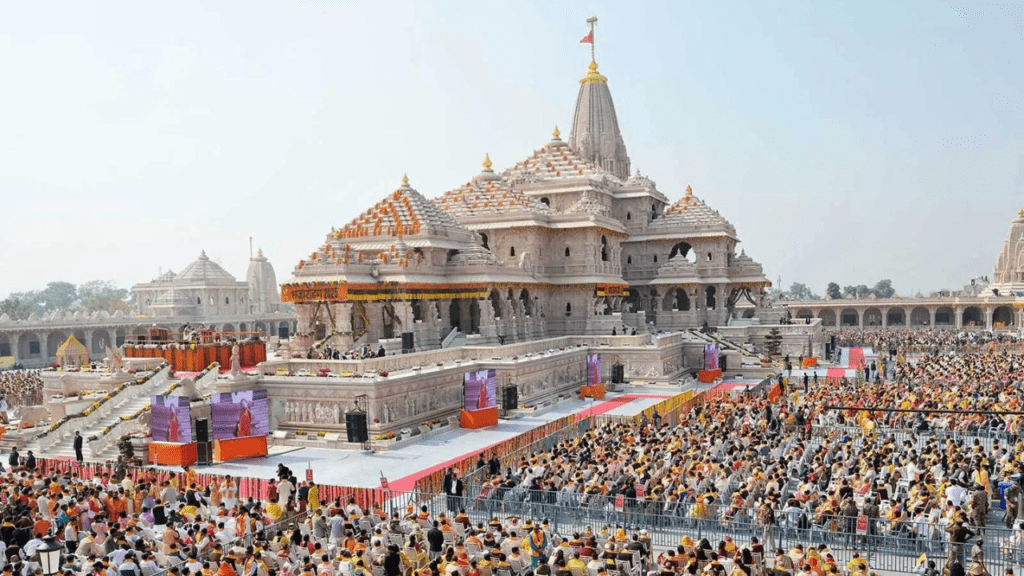
Legally, this case could set precedents on how temple trusts handle public donations. Should there be more CAG audits, independent oversight, or tech like digital tracking for every box? The Allahabad High Court and Supreme Court have petitions for CBI probes and forensic audits. The juristic person angle means courts might treat this with the seriousness of guardian misconduct in a child’s estate case—demanding highest fiduciary standards.
Look, temples have always been centers of community and charity. But when money flows in lakhs and crores daily, temptations rise. Most devotees give selflessly, expecting nothing but blessings. Stories like cash hidden under dung make you wonder how someone can look at Lord Ram’s idol and pocket what was meant for Him. It’s a wake-up call for better safeguards—maybe more transparent counting in front of devotees or priests, regular public disclosures, and stricter background checks for handlers.
As the investigation unfolds, with more raids and asset probes, one thing is clear: faith brought this temple back, and faith demands its protection now. The deity as juristic person and the minor-like status remind us that these assets aren’t for personal gain—they’re held in trust for eternity.
Sources:
- The Hindu (Explainer and dedicated article on juristic person angle)
- Times of India (arrests, recoveries, SIT details)
- NDTV, BBC, and other reports on the unfolding case and court aspects.
All based on public reports as of late June 2026.