
Just yesterday, on June 25, 2026, the government made a big announcement that feels like a huge sigh of relief for thousands of hotels, eateries, industries, and commercial setups. They’ve officially withdrawn all those tough restrictions on commercial LPG supplies that had been hurting businesses for months. And the timing? It lines up perfectly with hopes of a US-Iran deal that’s easing the supply worries.
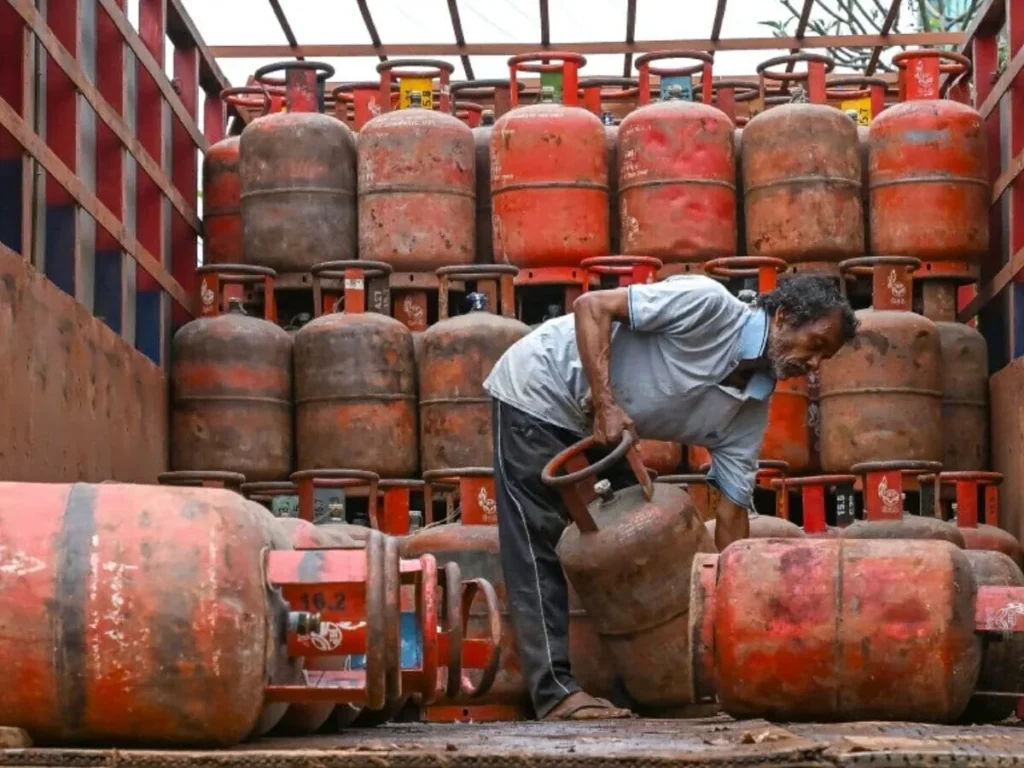
Remember how tense things got earlier this year? They prioritized domestic cylinders for the 330 million or so families who depend on it daily, while cutting back sharply on commercial and industrial allocations.
It wasn’t just annoying; it was affecting livelihoods. Think about your favorite roadside dhaba or that busy wedding caterer – they live on those bigger commercial LPG cylinders. The 19-kg ones that cost more but pack more punch. Distributors were told to focus on homes, and bulk users in petrochemicals and industries faced even tighter caps. The government invoked emergency measures, asked refineries to boost domestic production, and even pushed for diversification, ramping up imports from the US. In fact, India is now eyeing a record 1 million tons of LPG from America in June alone, priced against the Mount Belvieu hub. That’s a historic shift.
But here’s the good news that everyone’s buzzing about today. With the situation improving – thanks to better indigenous production (aiming for at least 40,000 metric tons per day), incoming imports, and a possible ceasefire or understanding between the US and Iran – the Petroleum Ministry has decided to roll back the curbs. Non-domestic packed LPG (that’s the commercial cylinders) is now back to pre-crisis levels. No more sectoral restrictions. Hotels, restaurants, small commercial establishments get 100% of what they were getting before. For larger industries using bulk LPG, supplies are relaxed to 50% of pre-crisis consumption. It’s a measured but very welcome step.
Oil Secretary Neeraj Mittal wrote to the states explaining this, emphasizing that OMCs (Oil Marketing Companies like IOCL, BPCL, HPCL) should now supply at normal levels. They’re also keeping a unified database to track everything smoothly and continuing to push for migration to Piped Natural Gas (PNG) where possible – a smarter, long-term move for cities and industries. The diversion of C3/C4 streams (those hydrocarbon molecules) from petrochemicals back to LPG pool is being reduced too, balancing needs across sectors.
Why does this matter so much? LPG isn’t just fuel; it’s the backbone for so many parts of our economy. In India, where millions run small eateries, bakeries, canteens in schools and hospitals, or manufacturing units, reliable and affordable gas means keeping operations running, jobs intact, and prices stable for customers.
The US-Iran dynamics have been watched closely here. Hopes of a deal or at least de-escalation have already helped stabilize global energy flows. India, being smart, diversified quickly – increasing US imports significantly. Before the conflict, nearly 90% of our LPG came from the Middle East. That vulnerability is something policymakers are learning from.
Of course, not everything is perfect yet. Bulk industrial users are only at 50% relief for now, and the government is still monitoring to ensure domestic households don’t face any shortage. They’ve kept domestic production high and are encouraging PNG adoption, which is cleaner and more efficient in the long run. States have been asked to keep pushing this transition, especially for commercial consumers who can switch.
For the common person, this is fantastic. Your local restaurant might drop those emergency surcharges soon. Street food vendors can breathe easier. Industries dependent on LPG for processes can plan better. It’s one of those quiet policy wins that doesn’t make huge headlines everywhere but genuinely helps millions earn their living without constant worry.
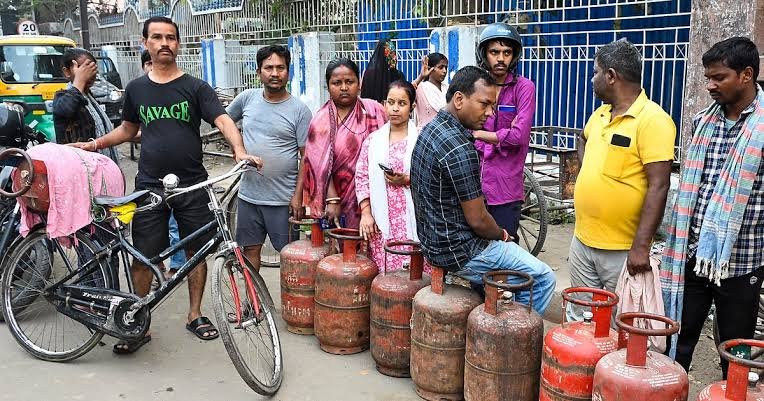
Looking ahead, experts say sustained peace in West Asia and stronger domestic refining plus imports (including more from the US) could make India more resilient. We’re already one of the world’s biggest LPG consumers, and with growing population and economy, securing supplies smartly is key.
In conversations with friends running businesses, I hear the relief: “Finally, we can stop worrying about the next cylinder.” It’s a reminder of how interconnected our world is – a deal or tension halfway across the globe affects the cost of chai at your corner stall.
The government deserves credit for acting swiftly during the crisis to protect households and now responding to improved conditions. As one official statement put it, it’s a “major relief to industrial and commercial LPG consumers.”
So, here’s to smoother operations, stable prices, and hopefully lasting peace that keeps our energy flowing. What do you think – will this push more businesses towards PNG? Or is LPG still king for now? Share your thoughts. India’s handling this with pragmatism, and that’s something to feel good about.
Sources:
- Hindustan Times
- Reuters
- The Hindu BusinessLine
- Outlook India
- Ministry of Petroleum and Natural Gas statements (via official releases)