
Look, we’ve all had those moments where facts just refuse to cooperate with the story we want to tell. But when you’re the President of the United States, and the facts are official numbers from your own government’s trade office, you’d think that might carry some weight, right? Not so much with Donald Trump, apparently. A new book by two sharp New York Times reporters, Maggie Haberman and Jonathan Swan, pulls back the curtain on a jaw-dropping Oval Office blow-up that perfectly captures how Trump’s second term has mixed gut feelings, old grudges, and some seriously flexible math when it comes to India.
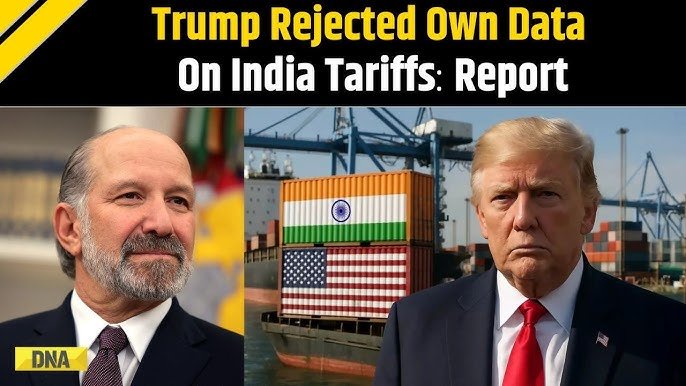
The scene, according to “Regime Change: Inside the Imperial Presidency of Donald Trump,” plays out in a White House meeting. Commerce Secretary Howard Lutnick — yeah, the guy who’s supposed to be all about the numbers — lays out data straight from the Office of the US Trade Representative (USTR). It shows India’s tariffs on American goods are way lower than what Trump has been ranting about for years. Not even close to supporting the massive tariffs the President was dead set on slapping on India.
Trump wasn’t having it. “Nobody has… given me any numbers… You give me bulls**t numbers,” he reportedly exploded. Lutnick tries to calm things down, explaining these are straight from USTR. Trump doubles down: “No, these are numbers. These are Classic. When Lutnick looks around for backup from US Trade Rep Jamieson Greer, it’s crickets. Greer stays quiet — probably figuring self-preservation beats defending data. Peter Navarro, the tariff hawk, predictably sides with the boss. Only House Speaker Mike Johnson pushes back a bit, warning about the damage to American industries like autos. Trump shrugs it off with something like “Okay, fine, I’ll own it.” And own it he did.
This wasn’t some one-off tantrum. Trump had been walking around with this wild figure in his head — claiming India hits US goods with tariffs as high as 175%, or even more in some tellings. During a meeting with tech CEOs in the Roosevelt Room, he threw it out there alongside complaints about China: “India 175 per cent.” The reality? India’s trade-weighted average tariff rate, per the World Trade Organization, sits around 10-12%. Sure, there are high duties on specific stuff like luxury imports or booze, but a blanket 175%? That’s not data; that’s a vibe. A very Trumpian vibe.
Trump’s “reciprocal” tariff push — that big Liberation Day thing back in 2025 — wasn’t exactly built on meticulous spreadsheets. Critics called the formula fake or “incredibly stupid,” basically reverse-engineered from trade deficits rather than actual tariff rates, non-tariff barriers, or whatever else. India ended up facing rates that climbed to 50% at one point, including penalties tied to buying Russian oil. That hit Indian exporters hard, threatening billions in goods like textiles, pharma, gems — stuff that actually employs a lot of people on both sides.
Relations tanked. What was supposed to be a strong strategic partnership between the world’s oldest and largest democracies got strained by this numbers game. India didn’t publicly roast Trump on the fake figures — maybe not wanting to poke the bear — but the tariffs did real damage before cooler heads (and probably some backchannel deals) brought things down to 18% later on, with India agreeing to buy more US stuff and ease some barriers.

The book paints a bigger picture here. Trump’s not just skeptical of data that doesn’t fit; he treats it like an enemy. This is the same guy who’s thrown out wild immigration numbers, claimed impossible drug price drops, and generally operated on “feelings over facts,” as the reporters put it. In another snippet from the book, during talks about Ukraine peacekeeping, Trump chuckles at the idea of India sending troops, saying Indians “won’t pay for something like that” and that Modi likes him but they’re cheap. Ouch.
It’s almost tragicomic. America has think tanks, economists, congressional watchdogs, and its own agencies churning out stats every day. Most presidents at least pretend to wrestle with them. Trump? He yells until they submit — or ignores them outright. Lutnick, Greer, Navarro, Johnson — they’re all in the room watching the President dismiss his own government’s trade data because it didn’t match the narrative he’d been selling for years.
This episode with India isn’t isolated. It fits a pattern where policy seems driven more by personal instinct and long-held beliefs than by evidence. Tariffs became a blunt tool for “winning” trade, even if the math didn’t add up. Economists warned about higher costs for Americans, disrupted supply chains, and retaliation risks. But when the data met Donald, well… the data died.
Look, trade with India is complicated. They do protect certain sectors, and bilateral deficits exist. Negotiating harder makes sense for any US leader. But inventing sky-high tariff rates that don’t exist, then punishing a partner based on that, while your own officials scramble with real figures? That’s next-level. It risks turning allies into adversaries and makes the “America First” pitch look more like “My Numbers First.”
The book, based on tons of interviews, shows an administration where loyalty and narrative often trump (pun intended) boring old reality. Navarro siding with the President over data. Greer going silent. Lutnick pleading. Johnson trying to inject some caution. It’s like a bad meeting we’ve all sat through, except the consequences ripple across global markets and geopolitics.
In the end, Trump “owned it,” as he said. Tariffs went up, relations took a hit, and eventually some deal-making brought partial relief. But the story lingers as a reminder: in this presidency, facts are flexible friends — useful when they help, disposable when they don’t. Data didn’t stand a chance.
Sources:
- Times of India article by Chidanand Rajghatta (June 24, 2026)
- Excerpts from “Regime Change: Inside the Imperial Presidency of Donald Trump” by Maggie Haberman and Jonathan Swan
- Hindustan Times, LiveMint, and other reports on the incident
- WTO tariff data references and trade analyses from Forbes, BBC, Al Jazeera, etc.